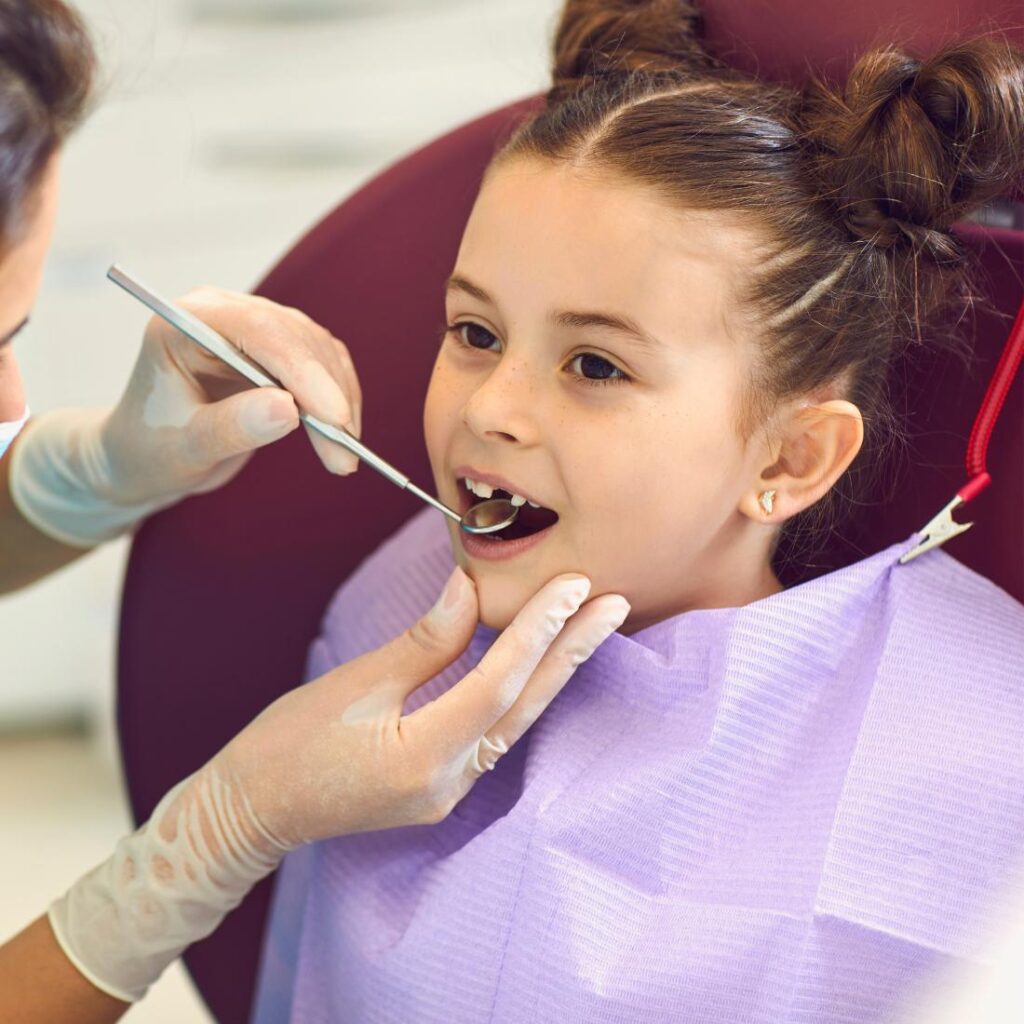
Visiting the dentist can be stressful for many — fear of needles, anxiety about dental work, or dread of discomfort. That’s where sedation dentistry steps in: helping patients relax, feel calm, and often forget much of the experience. But with the comfort comes an important question: Is dental sedation safe? In this post, we’ll explore what sedation dentistry really involves, how safe it is, and what risks (however small) you should know about — to help you decide whether it’s right for you.
🦷 What Is Sedation Dentistry (and Why Is It Used)
Sedation dentistry refers to the use of medications to help patients feel relaxed, calm, or even semi-aware during dental procedures. Common forms include:
-
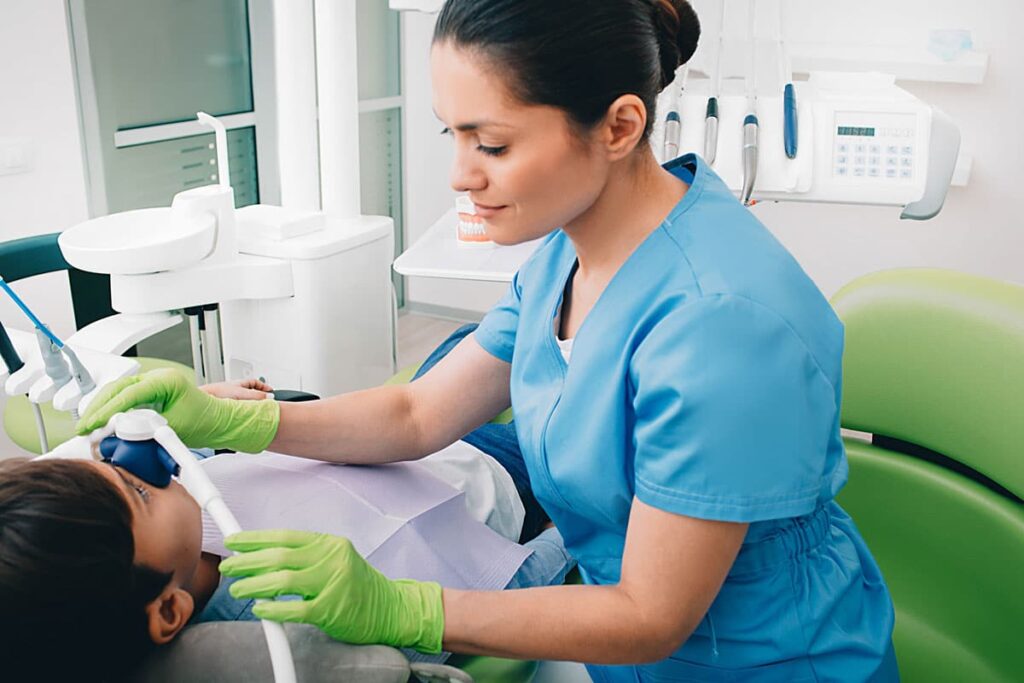
Inhalation sedation (nitrous oxide, aka “laughing gas”) — A mild form delivered through a nasal mask, offering minimal sedation but a calm, relaxed state.
-
Oral conscious sedation — A pill taken before the appointment, producing moderate relaxation and reduced awareness.
-
IV sedation — A sedative administered intravenously for deeper relaxation while patients remain responsive.
Dentists often recommend sedation for patients with dental anxiety or phobia, sensitive gag reflexes, complex or lengthy procedures, or for those who have trouble remaining still — helping make treatment more comfortable and less traumatic.
✅ Is It Safe? Yes — When Properly Administered
When performed by trained professionals under appropriate guidelines, sedation dentistry is considered safe for most patients.
Here’s why:
-
Professional training and monitoring: Dentists and sedation teams follow recognized protocols, assess your health status beforehand (including medical history, medications, existing conditions), and monitor vital signs (heart rate, oxygen saturation, blood pressure) throughout the procedure.
-
Low complication rates compared with major surgeries: For example, a recent study comparing patients undergoing third-molar (wisdom tooth) removal found that IV sedation had fewer circulatory complications and shorter anesthesia durations compared with general anesthesia.
-
Recovery tends to be swift: With lighter sedation (like nitrous oxide or oral), many patients recover quickly and resume normal activity within hours.
-
Reduced barriers to dental care: For patients who otherwise avoid the dentist due to fear, sedation can enable them to get needed treatment — preventing worse dental problems down the line.
According to recent reviews and professional guidelines, when sedation is tailored to the individual, administered by qualified personnel, and paired with proper pre-screening and monitoring, serious adverse events are extremely rare.
 ⚠️ What Are the Risks & Common Side Effects
Like all medical procedures, sedation dentistry carries some risks. The vast majority are minor and short-lived — but it’s good to know what they are:
-
Common short-term side effects — These may include drowsiness, grogginess, dry mouth, nausea or vomiting, headache, dizziness, or a bruised arm at the IV site.
-
Temporary memory loss or confusion (“twilight” state) — Particularly with IV or oral sedation, patients may not recall parts of the procedure. After waking, some feel “foggy” or disoriented.
-
Risks of respiratory or cardiovascular complications — In rare cases, sedation may depress breathing, affect oxygen levels, or cause fluctuations in blood pressure or heart rate.
-
Potential drug interactions or allergic reactions — This is why it’s vital to share your complete medical history, including other medications or supplements.
-
Longer recovery for some — While most side effects fade within hours or days, older patients or those with certain health conditions may take longer to fully recover.
Overall, sources describe the risk of “serious complications” (e.g., permanent neurological damage, life-threatening events) as very low when proper protocols are followed.
🧑⚕️ How to Minimize Risk — What to Ask Your Dentist
If you’re considering sedation, here are key questions to ask and steps to ensure safety:
-
Does your dental team have specialized training and certification in sedation dentistry? Proper training and adherence to professional guidelines (like those from the American Dental Association and the American Dental Society of Anesthesiology) are essential.
-
Will my medical history, medications, and overall health be reviewed? Be sure to disclose any chronic conditions (e.g., heart or lung disease, sleep apnea), allergies, medications (even over-the-counter or herbal), and lifestyle factors. This helps your dentist choose the safest sedation option.
-
What level of sedation is recommended for my case (nitrous oxide, oral, IV)? The right sedation type depends on the complexity of your treatment, your anxiety level, and general health.
-
How will my vital signs be monitored during the procedure? Monitoring heart rate, breathing/oxygen level, and blood pressure is crucial — especially during IV sedation or deeper sedation.
-
What post-procedure care and supervision will be required? You should arrange for a responsible adult to drive you home and monitor you for several hours — especially after oral or IV sedation.
✅ Bottom Line: Dental Sedation Is Safe — With the Right Precautions
In sum: yes — dental sedation can be very safe, and for many patients it transforms a fearful dental visit into a manageable, even stress-free experience. The benefits — especially for those with dental anxiety or with complex treatment needs — often outweigh the risks. As long as your dental team is trained, you are honest about your health history, and proper monitoring and precautions are in place, sedation dentistry provides a reliable option for comfortable, effective dental care.
If you’re hesitating because you’re worried about safety — you’re not alone. Talk openly with your provider about your concerns. A thoughtful, well-informed sedation plan could help you get the dental care you need — with far less stress, discomfort, and fear.
About Dental Sedation Services
Dental Sedation Services specializes in providing mobile, office-based anesthesia and sedation support across New Jersey and Pennsylvania. We partner with general dentists, specialists and pediatric practices to bring hospital-grade anesthesia into the dental operatory—so you can treat complex cases in-house without the added infrastructure burden.
Other Posts:
After Your Sedation Appointment: Recovery Tips & What to Expect the Next Day
Behind the Scenes: A Day in the Life of a Mobile Dental Anesthesiologist
Sedation Options for Special Needs Patients: Gentle Care That Makes a Difference