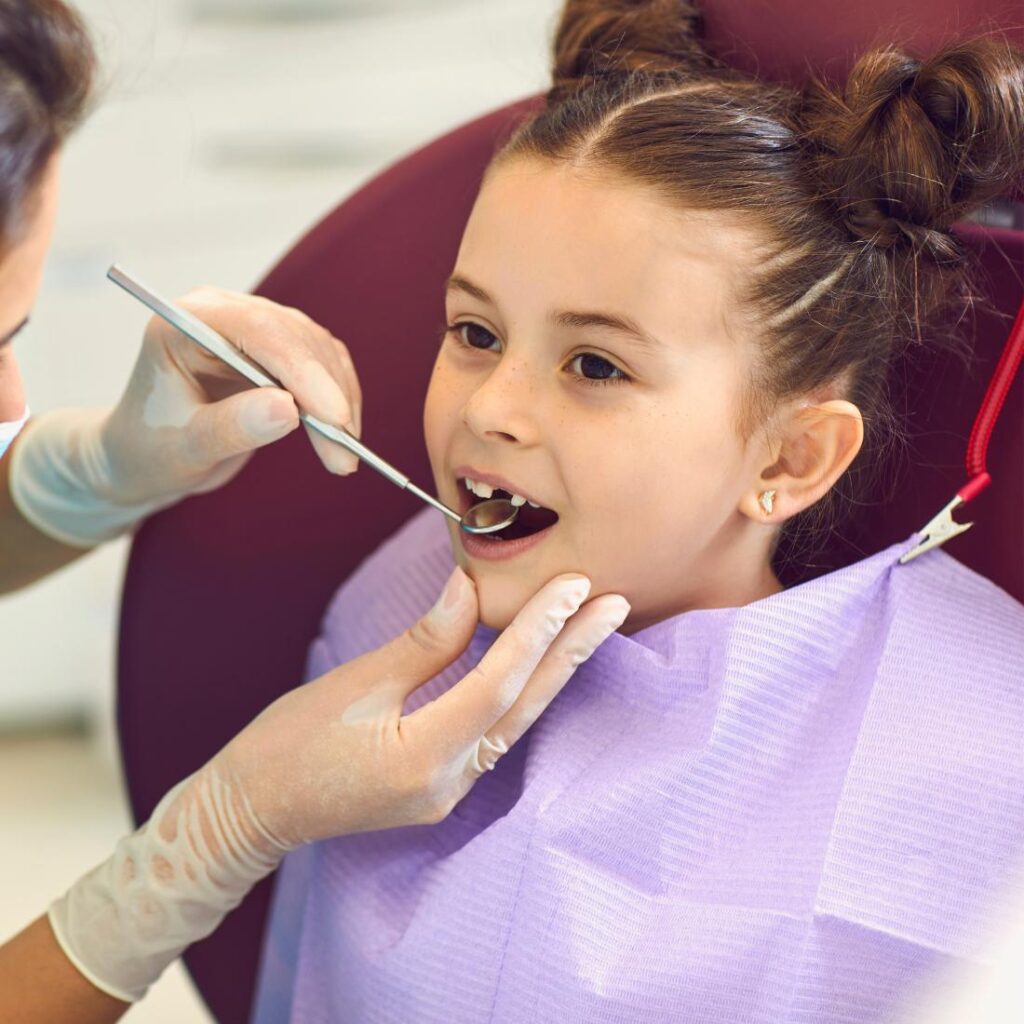
Many adults carry a silent fear of the dentist that has followed them for decades, often starting with one painful or traumatic experience. Over time, missed checkups become years of avoidance, and years of avoidance turn into serious dental and health problems. Feelings of shame, embarrassment, and fear of judgment prevent many people from seeking help, even when they are in pain. Sedation dentistry offers a life-changing solution for patients who have avoided dental care for years. By combining advanced relaxation techniques with pain-free treatment, sedation dentistry removes fear from the dental chair. This modern approach allows patients to finally receive the care they need in a calm, controlled, and stress-free environment. If you have been avoiding the dentist, sedation dentistry can help you start fresh without fear.
Why Do So Many Adults Avoid the Dentist?
Dental anxiety is one of the most common healthcare fears in the world. For many people, the dental office is associated with pain, loss of control, and discomfort. Others feel embarrassed about the condition of their teeth and fear being judged. Financial concerns, fear of needles, unpleasant smells, and the sound of dental tools also contribute to long-term avoidance. When patients skip routine visits, small issues turn into serious problems that require complex treatment. This only increases fear, creating a cycle that feels impossible to escape. Sedation dentistry is designed specifically to break this cycle by making dental visits comfortable and emotionally safe.
Understanding Dental Anxiety and Dental Phobia
Dental anxiety ranges from mild nervousness to intense fear that completely prevents someone from visiting a dentist. Dental phobia is more severe and often linked to past trauma, anxiety disorders, or painful dental memories. Patients with dental phobia may experience panic attacks, sweating, rapid heartbeat, and nausea when thinking about dental treatment. This emotional response makes it nearly impossible to schedule or attend an appointment. Unfortunately, untreated oral health problems continue to worsen, increasing both physical pain and emotional distress. Sedation dentistry offers these patients a safe way to receive care without reliving their fears.
Common Causes of Dental Fear
-
Painful childhood dental experiences
-
Fear of injections or drills
-
Strong gag reflex
-
Feeling powerless in the chair
-
Embarrassment about oral health
-
Anxiety disorders or PTSD
Long-Term Effects of Avoiding Dental Care
-
Severe gum disease
-
Tooth decay and tooth loss
-
Jawbone deterioration
-
Oral infections spreading to the body
-
Increased risk of heart disease and diabetes
What Is Sedation Dentistry?
Sedation dentistry uses safe, controlled medication to help patients relax during dental procedures. Depending on the type of sedation, patients may feel calm, sleepy, or completely unaware of the procedure. Many people remember very little of their appointment afterward. Sedation does not replace local anesthesia, but it works alongside it to eliminate anxiety and discomfort. It allows dentists to perform necessary treatments while the patient remains relaxed and stress-free. For patients who have avoided dental care for years, sedation dentistry creates a gentle and supportive experience.
Types of Sedation Dentistry
Oral Sedation
A prescribed pill is taken before the appointment, producing a relaxed and drowsy feeling.
IV Sedation
Medication is delivered through a vein, providing deeper and faster sedation.
Nitrous Oxide
Also known as laughing gas, it offers light sedation and wears off quickly.
General Anesthesia
Used for extreme dental phobia or major procedures, placing the patient fully asleep.
How Sedation Dentistry Helps Long-Avoiding Patients
Sedation dentistry allows patients to finally receive treatment without fear or pain. It reduces anxiety, minimizes discomfort, and helps patients feel emotionally safe. Many people are surprised at how easy and calm their first sedation visit feels. This positive experience builds confidence and makes future dental care possible. Patients can complete multiple procedures in one visit, reducing the number of appointments needed. Sedation dentistry gives people the chance to restore their oral health without stress or embarrassment.
Who Is a Good Candidate for Sedation Dentistry?
Sedation dentistry is ideal for patients who experience:
-
Severe dental anxiety or phobia
-
Low pain tolerance
-
Strong gag reflex
-
PTSD from past dental trauma
-
Complex dental treatment needs
What to Expect During a Sedation Dentistry Appointment
Before your appointment, your dentist will review your medical history and explain your sedation options. You may be asked not to eat for several hours and to arrange a ride home. During the procedure, you will feel calm, relaxed, and detached from the treatment. Afterward, you may feel drowsy, but most patients recover quickly and feel relieved.
Common Myths About Sedation Dentistry
Many people believe sedation dentistry is unsafe, only for surgery, or makes you unconscious. In reality, it is carefully monitored, used for many types of treatments, and often keeps you awake but relaxed.
How Sedation Dentistry Restores Confidence
Once patients receive treatment, they often feel a renewed sense of confidence and relief. A healthy smile improves self-esteem, social comfort, and overall quality of life. Sedation dentistry helps people move past fear and regain control of their oral health.
Cost and Insurance Coverage
Sedation dentistry costs vary depending on the method used and the length of treatment. Many dental offices offer flexible payment plans, and some insurance policies cover certain types of sedation.
Choosing the Right Sedation Dentist
Look for a dentist who is certified, experienced, and compassionate. Patient reviews, modern technology, and clear communication are important signs of quality care.
Final Thoughts
Sedation dentistry offers a safe, gentle, and life-changing solution for people who have avoided the dentist for years. It removes fear, reduces pain, and helps patients finally reclaim their smiles and confidence. It is never too late to take the first step toward better oral health.