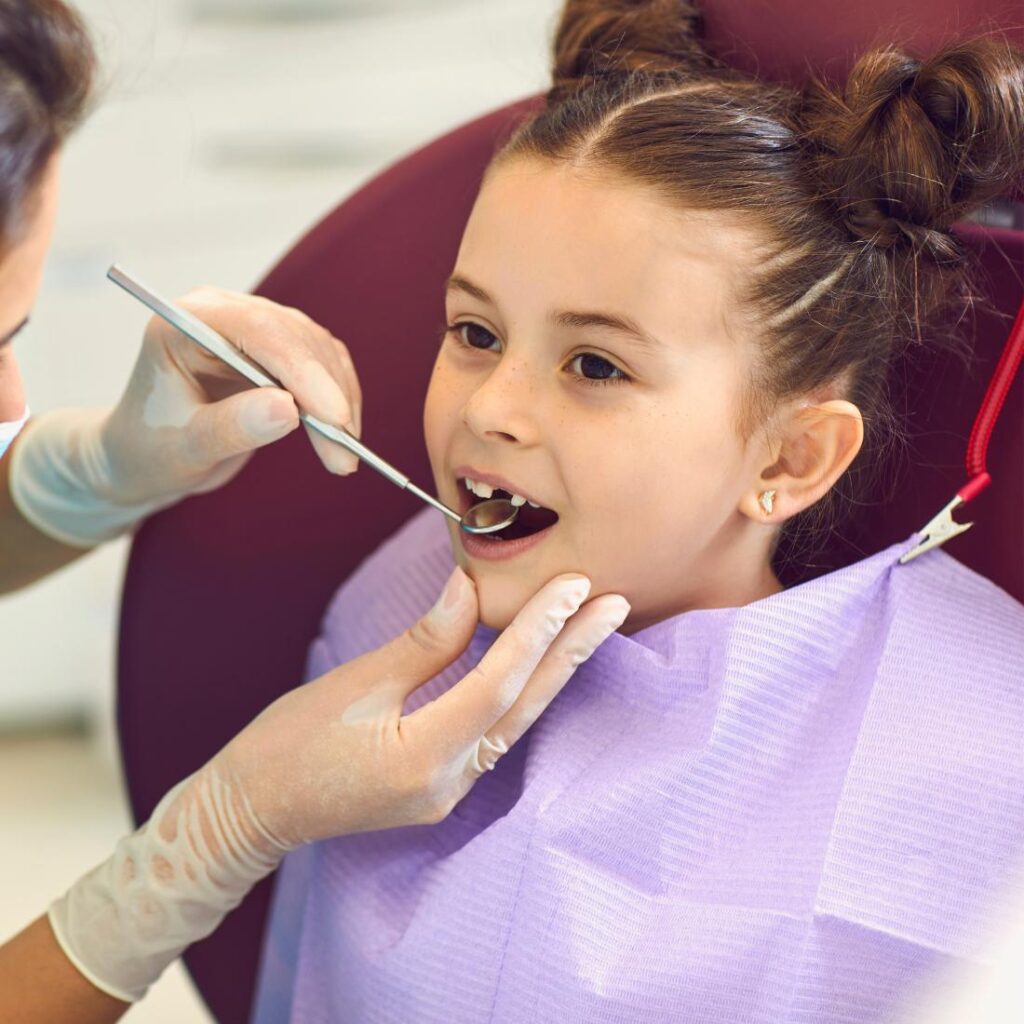
Sedation dentistry is rapidly transforming the way patients experience oral healthcare in today’s fast-paced world. For decades, fear of the dentist has been one of the leading reasons people postpone or completely avoid essential dental treatment. However, modern dental care is shifting toward comfort-driven, patient-centered solutions that prioritize relaxation and stress-free appointments. As awareness about dental anxiety treatment grows, more individuals are actively searching for a sedation dentist near me to overcome their fears. The rise of pain-free dentistry and sleep dentistry options reflects a broader trend toward minimally invasive and emotionally supportive healthcare experiences. Advanced monitoring systems and modern dental technology have made sedation procedures safer and more predictable than ever before. From routine cleanings to complex dental implant surgery, sedation is changing perceptions about what a dental visit feels like. This shift is not just about comfort but about improving long-term oral health outcomes through consistent care. As a result, sedation dentistry is becoming one of the most requested services in modern dental practices worldwide.
What Is Sedation Dentistry? A Complete Overview
Sedation dentistry refers to the use of medication to help patients relax during dental procedures while remaining safe and responsive. Unlike general anesthesia, which renders a patient fully unconscious, most forms of dental sedation allow individuals to remain awake but deeply relaxed. This approach is especially effective for patients struggling with dental anxiety, sensitive gag reflexes, or low pain tolerance. Sedation can range from mild relaxation to deeper levels depending on the treatment complexity and patient needs. Modern sedation techniques are carefully administered by trained professionals who monitor vital signs throughout the procedure. Many people mistakenly associate sedation only with major surgeries, but it is also used for routine treatments like fillings and deep cleanings. The goal of sedation dentistry is to create anxiety-free dental procedures that encourage patients to seek preventive care. By reducing stress and discomfort, dentists can work more efficiently and complete treatments in fewer visits. Ultimately, sedation dentistry bridges the gap between oral health necessity and patient comfort.
Types of Sedation Used in Modern Dentistry
Modern dental clinics offer several safe and effective sedation options tailored to individual needs:
-
Nitrous oxide sedation (laughing gas): A mild form of sedation inhaled through a mask that provides quick relaxation and wears off rapidly.
-
Oral conscious sedation: Prescription medication taken before the appointment to induce a deeper state of calm while remaining awake.
-
IV sedation dentistry: Administered intravenously for faster, adjustable, and deeper relaxation during complex procedures.
-
Deep sedation: Places patients in a near-unconscious state but allows responsiveness to stimuli.
-
Sleep dentistry: A commonly used term describing advanced sedation techniques for maximum comfort.
Each option offers varying levels of relaxation, making it easier for patients to choose the right approach with guidance from an experienced IV sedation dentist or oral sedation dentist.
The Growing Problem of Dental Anxiety and Phobia
Dental anxiety is more common than many realize, affecting millions of adults and children worldwide. Studies suggest that a significant percentage of patients delay treatment due to fear of dental procedures, leading to worsening oral health conditions. Mild anxiety may cause nervousness before an appointment, while severe dental phobia can trigger panic attacks or complete avoidance. Unfortunately, postponing preventive dental care often results in advanced decay, gum disease, or the need for emergency treatments. The emotional stress associated with dental visits can stem from past traumatic experiences, fear of pain, or embarrassment about oral health. As a result, the demand for reliable dental anxiety treatment solutions continues to rise. Sedation dentistry addresses both the physical and psychological aspects of fear, helping patients regain confidence. By promoting anxiety-free dental care, dentists can build long-term trust with their patients. This growing awareness explains why sedation options are becoming a cornerstone of modern dental practices.
Why More Patients Are Choosing Sedation Dentistry Today
The increasing popularity of sedation dentistry is largely driven by its ability to deliver pain-free dental procedures. Patients no longer have to associate dental care with discomfort, needles, or stressful sounds. Sedation allows individuals to remain calm even during lengthy treatments such as root canals or dental implant placement. Another major advantage is the ability to complete multiple procedures in one visit, reducing the need for repeated appointments. This convenience appeals to busy professionals and families juggling tight schedules. Additionally, many patients report little to no memory of the procedure, which helps eliminate lingering anxiety. Dentists also benefit because relaxed patients allow for smoother and more efficient workflows. Comfort-driven care aligns perfectly with today’s healthcare trends that prioritize patient experience. For these reasons, sedation dentistry continues to gain widespread acceptance.
Busy Lifestyles and Same-Day Dentistry
Modern lifestyles demand efficiency, and sedation dentistry supports same-day dentistry solutions for time-conscious patients. Instead of spreading treatments across multiple appointments, dentists can perform full mouth reconstruction or cosmetic dental procedures in fewer visits. This approach minimizes time off work and reduces transportation challenges for families. Sedation is particularly popular for dental implants, wisdom teeth removal, and smile makeover treatments. With patients comfortably relaxed, dentists can focus on precision without interruption. The combination of advanced imaging technology and sedation ensures accurate, streamlined results. Professionals seeking comprehensive dental upgrades appreciate the ability to transform their smiles quickly. As a result, sedation dentistry is increasingly viewed as both a comfort and productivity solution. The demand for efficient, high-quality dental care continues to drive its popularity.
Sedation Dentistry and Advanced Dental Technology
Modern dental technology plays a vital role in enhancing the safety and effectiveness of sedation dentistry. Digital imaging systems allow dentists to diagnose issues with greater precision before administering sedation. Laser dentistry reduces tissue trauma, which complements sedation by minimizing discomfort and recovery time. Computer-guided implant surgery improves accuracy during complex procedures performed under IV sedation dentistry. Real-time monitoring equipment ensures patients’ heart rate, oxygen levels, and blood pressure remain stable throughout treatment. These advancements make sedation safer than ever before. Additionally, minimally invasive dentistry techniques reduce the extent of surgical intervention needed. When combined with sedation, patients experience less swelling, bleeding, and post-treatment discomfort. The integration of technology and sedation reflects the evolution of modern dental care toward safer, smarter solutions. Together, they create a highly controlled and comfortable clinical environment.
Who Benefits the Most from Sedation Dentistry?
Sedation dentistry is not limited to a specific demographic; it benefits a wide range of patients with unique challenges. Individuals who have avoided dental visits for years due to fear often find renewed confidence through sedation. Patients with sensitive gag reflexes can undergo procedures without discomfort or interruption. Those requiring complex restorative dentistry also benefit from extended treatment sessions without stress. Sedation dentistry for adults is especially popular among individuals undergoing full mouth rehabilitation. Meanwhile, sedation dentistry for children helps young patients build positive early experiences. Special needs patients who struggle with sensory sensitivities can receive necessary care comfortably. Even individuals with low pain tolerance find relief in sedation options. By addressing both emotional and physical barriers, sedation dentistry expands access to quality oral healthcare. This inclusivity contributes significantly to its growing demand.
Patients with Severe Dental Phobia
-
Reduced panic and stress responses
-
Ability to undergo essential procedures
-
Improved long-term oral health
Individuals with Low Pain Tolerance
-
Enhanced comfort
-
Minimized sensitivity
-
Relaxed treatment experience
Patients with Sensitive Gag Reflex
-
Better procedural control
-
Reduced nausea
-
Increased treatment efficiency
Children with Dental Anxiety
-
Gentle introduction to dental care
-
Reduced fear of future visits
-
Improved cooperation
Special Needs Patients
-
Customized sedation levels
-
Safe monitoring protocols
-
Comfortable treatment environment
Common Dental Procedures Performed Under Sedation
Sedation dentistry is commonly used for a variety of routine and complex procedures. Sedation for tooth extraction is especially popular for impacted or surgical extractions. Many patients opt for sedation for root canal treatment to eliminate anxiety about discomfort. Wisdom teeth removal is another frequent procedure performed under IV sedation dentistry. Dental implant surgery, which can be lengthy and detailed, becomes significantly more comfortable with sedation. Periodontal surgery for advanced gum disease also benefits from relaxation-focused techniques. Even cosmetic dental procedures like veneers or smile makeovers may involve sedation for enhanced comfort. By reducing stress and movement, sedation improves procedural precision. Patients leave the office with a more positive impression of dental care. This versatility explains why sedation dentistry continues to expand across treatment categories.
Safety of Sedation Dentistry: What Modern Research Says
One of the most common questions patients ask is whether sedation dentistry is safe. Modern research and regulatory guidelines confirm that, when administered by trained professionals, sedation is highly controlled and predictable. Dentists complete specialized certification programs before offering IV sedation or oral conscious sedation. Pre-sedation evaluations assess medical history, allergies, and current medications to minimize risk. During treatment, advanced monitoring equipment tracks vital signs continuously. Emergency preparedness protocols are always in place to address unlikely complications. Professional organizations such as the American Dental Association provide strict guidelines for sedation practices. These standards ensure patient safety remains the top priority. With proper screening and monitoring, sedation dentistry maintains an excellent safety record. Transparency and education further reassure patients considering this option.
The Psychological Impact: How Sedation Is Changing Patient Perception
Sedation dentistry does more than eliminate pain; it reshapes how patients perceive dental care. Many individuals who previously avoided appointments develop renewed trust after experiencing anxiety-free dental procedures. Positive experiences reduce the mental barriers associated with treatment. Over time, this shift encourages more consistent preventive dental care and routine checkups. Patients often report feeling empowered rather than fearful about managing their oral health. Breaking the cycle of avoidance prevents minor issues from escalating into major restorative problems. Sedation also strengthens the dentist-patient relationship by fostering open communication. Children who receive comfortable early care are less likely to develop lifelong dental phobia. This psychological transformation contributes significantly to the rising popularity of sedation dentistry. By addressing emotional wellbeing, modern dental practices are redefining patient care standards.
Sedation Dentistry vs Traditional Dentistry: A Comparison
| Factor | Traditional Dentistry | Sedation Dentistry |
|---|---|---|
| Anxiety Level | High for nervous patients | Minimal stress |
| Pain Perception | Moderate discomfort | Pain-free experience |
| Appointment Length | Multiple visits | Fewer extended visits |
| Patient Comfort | Variable | Consistently high |
| Treatment Efficiency | Interrupted by anxiety | Smooth and controlled |
Sedation dentistry offers clear advantages for patients who struggle with fear or discomfort. While traditional dentistry remains effective, it may not address emotional barriers to care. Sedation enhances both patient experience and clinical efficiency. The ability to combine comfort with advanced technology sets modern sedation practices apart. As expectations for healthcare experiences rise, more patients prefer sedation-supported treatments.
Cost and Accessibility: Is Sedation Dentistry Worth It?
Cost considerations play an important role in a patient’s decision to pursue sedation dentistry. The price of sedation dentistry varies depending on the type of sedation, procedure complexity, and geographic location. While it may increase upfront treatment costs, many patients view it as an investment in long-term oral health. Avoiding treatment due to fear can lead to expensive restorative procedures later. Some dental insurance plans partially cover sedation when deemed medically necessary. Flexible payment plans also make sedation dentistry more accessible. The growing number of searches for sedation dentist near me indicates rising public interest. As competition increases, more clinics are offering affordable sedation packages. Ultimately, the value lies in comfort, efficiency, and improved health outcomes. For many patients, the benefits significantly outweigh the additional cost.
The Future of Sedation Dentistry in Modern Dental Care
The future of sedation dentistry looks exceptionally promising as patient-centered care becomes the norm. Innovations in AI-driven diagnostics and precision treatment planning will further enhance sedation efficiency. Cosmetic dentistry trends continue to increase demand for comfortable smile transformations. As public awareness of dental anxiety treatment expands, more individuals will seek proactive solutions. Dental schools are integrating sedation training into advanced curricula, preparing new generations of certified sedation dentists. Technology will continue to refine monitoring systems and medication delivery methods. The combination of minimally invasive dentistry and sedation aligns with modern wellness philosophies. Patients increasingly expect healthcare experiences that prioritize comfort alongside clinical excellence. Sedation dentistry embodies this evolution by merging science, empathy, and innovation. As modern dental care continues to advance, sedation dentistry will remain a powerful force shaping its future.