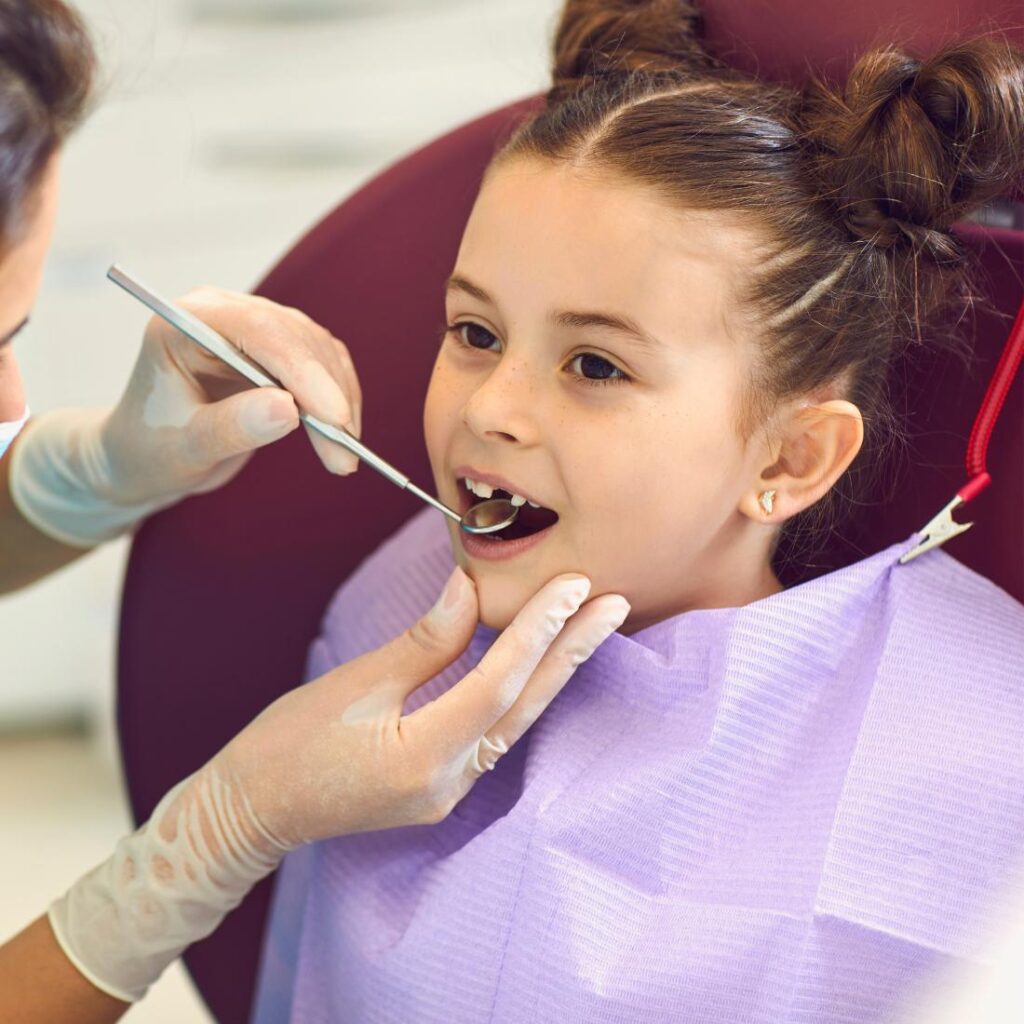
Sedation dentistry has become an essential part of modern dental care, helping patients experience comfortable and stress-free treatments. Many people delay dental visits because of fear, pain sensitivity, or past traumatic dental experiences, which can eventually lead to serious oral health problems. Sedation dentistry, often called sleep dentistry or anxiety-free dentistry, allows dentists to perform procedures while the patient remains relaxed and calm. Depending on the method used, patients may feel deeply relaxed or even sleep through the procedure entirely. This approach is widely used for individuals who struggle with dental anxiety, strong gag reflexes, or low pain tolerance. Sedation techniques have significantly improved the patient experience by reducing discomfort and shortening perceived treatment time. Modern dental clinics use safe and carefully monitored sedation methods to ensure patient safety throughout the procedure. From routine cleanings to complex treatments, sedation dentistry makes pain-free dental procedures possible for people who previously avoided dental care. As more patients prioritize comfort and stress reduction, sedation dentistry continues to grow as a preferred solution for anxiety-free dental treatment.
Why Dental Anxiety Is More Common Than You Think
Dental anxiety is one of the most common reasons people postpone or avoid dental appointments entirely. Studies suggest that millions of adults experience some form of fear of the dentist, ranging from mild nervousness to severe dental phobia. This fear often stems from previous painful procedures, negative childhood experiences, or the sound and appearance of dental tools. When anxiety prevents people from visiting the dentist regularly, small issues such as cavities or gum inflammation can quickly become serious oral health conditions. Individuals who avoid treatment may eventually require more complex procedures like root canals or tooth extractions. Sedation dentistry plays a crucial role in dental anxiety treatment, allowing patients to receive necessary care without stress or fear. By creating a calm and controlled environment, dentists can help patients feel more confident about maintaining their oral health. Many patients who try sedation dentistry report that it transforms their perception of dental visits completely. Ultimately, addressing dental anxiety early helps prevent long-term dental complications and improves overall oral health.
Types of Sedation Dentistry Used by Dentists
Modern dentistry offers several sedation options designed to suit different comfort levels and treatment needs. Each method varies in strength, duration, and level of relaxation provided during the procedure. Dentists carefully select the most appropriate sedation technique based on the patient’s anxiety level, medical history, and type of treatment required.
Nitrous Oxide Sedation (Laughing Gas)
Nitrous oxide sedation, commonly known as laughing gas, is one of the most widely used sedation options in dental offices. It is administered through a small mask placed over the patient’s nose, allowing them to breathe in a mixture of oxygen and nitrous oxide. Within minutes, patients begin to feel calm, relaxed, and slightly euphoric while remaining fully awake. This type of sedation is ideal for patients with mild dental anxiety or those undergoing routine procedures such as fillings or cleanings. One of the biggest advantages is that the effects wear off quickly after the mask is removed. Patients can usually drive themselves home and resume normal activities immediately. Nitrous oxide sedation is considered extremely safe and is commonly used for both adults and children. Because it is mild yet effective, it remains a popular choice for anxiety-free dental care.
Oral Sedation Dentistry
Oral sedation dentistry involves taking a prescribed sedative pill before the dental appointment. This medication helps patients feel deeply relaxed by the time the procedure begins. While patients remain awake, they often feel drowsy and may remember very little about the treatment afterward. Oral sedation is commonly recommended for individuals with moderate dental anxiety or those undergoing longer dental procedures. The effects typically last longer than nitrous oxide sedation, which means patients will need someone to drive them home afterward. Many patients appreciate oral sedation because it significantly reduces nervousness and discomfort during treatment. Dentists carefully determine the correct dosage based on the patient’s health and treatment requirements. As a result, oral sedation provides a safe and effective way to achieve pain-free dental procedures.
IV Sedation Dentistry
IV sedation dentistry is a deeper level of sedation administered directly into the bloodstream through an intravenous line. This method works quickly and allows the dentist to adjust the sedation level throughout the procedure. Patients usually feel extremely relaxed and may drift in and out of sleep during treatment. Although they remain technically conscious, many patients have little or no memory of the procedure afterward. IV sedation is commonly used for complex treatments such as dental implants, oral surgery, or full-mouth restorations. Because of its strength, patients require monitoring during the entire procedure to ensure safety. Dentists who offer IV sedation receive specialized training to administer and manage this type of sedation. For individuals with severe dental phobia, IV sedation dentistry can make previously unbearable procedures manageable.
General Anesthesia for Dental Procedures
General anesthesia is the strongest form of sedation used in dentistry and is typically reserved for complex cases. Under general anesthesia, the patient is completely asleep and unaware of the procedure being performed. This option is often used for extensive oral surgery or for patients who cannot tolerate dental treatment while awake. It may also be recommended for young children or individuals with special healthcare needs. General anesthesia requires advanced monitoring equipment and trained professionals to ensure patient safety. Because the patient is fully unconscious, recovery time is longer compared to other sedation methods. However, it allows dentists to complete complicated treatments efficiently and comfortably. For certain situations, general anesthesia can be the most effective way to provide comprehensive dental care.
Top Signs You Might Need Sedation Dentistry
The following signs may indicate that sedation dentistry could help make your dental experience more comfortable:
-
Severe dental anxiety or dental phobia
-
Fear of dental instruments or drilling sounds
-
Avoiding dental appointments for years
-
Extremely sensitive teeth
-
Difficulty sitting still for long periods
-
Low pain tolerance during dental procedures
-
Strong gag reflex during treatment
-
Past traumatic dental experiences
-
Need for multiple procedures in one visit
-
Fear of injections or dental needles
-
Difficulty becoming numb with local anesthesia
-
Complex treatments such as implants or oral surgery
-
Panic attacks when thinking about dental visits
-
Feeling embarrassed about oral health condition
-
Trouble relaxing in the dental chair
-
Medical conditions that make dental procedures stressful
-
Previous negative dental experiences
Recognizing these signs can help patients determine whether sedation dentistry might be the right solution for them.
Who Is the Ideal Candidate for Sedation Dentistry?
Sedation dentistry is designed for patients who want a calmer and more comfortable dental experience. Many ideal candidates are individuals who suffer from moderate to severe dental anxiety that prevents them from seeking regular dental care. Patients with sensitive teeth or low pain tolerance often benefit greatly from sedation because it minimizes discomfort during procedures. People undergoing lengthy or complex treatments, such as dental implants or oral surgery, may also prefer sedation to reduce stress and fatigue. Individuals with a strong gag reflex sometimes find it difficult to tolerate dental instruments, making sedation a helpful option. Children and adults with special healthcare needs can also benefit from sedation dentistry in certain cases. Additionally, patients who require multiple treatments in one appointment may find sedation useful for completing procedures efficiently. Dentists evaluate medical history, medications, and overall health before recommending sedation. By tailoring sedation options to each patient’s needs, dentists ensure both safety and comfort throughout treatment.
Dental Procedures That Commonly Use Sedation Dentistry
Sedation dentistry is frequently used during procedures that may take longer or cause discomfort. Many dentists recommend sedation to ensure patients remain calm and relaxed throughout treatment.
Common procedures that use sedation include:
-
Dental implant placement
-
Wisdom tooth extraction
-
Root canal treatment
-
Full mouth reconstruction
-
Periodontal surgery
-
Multiple tooth extractions
-
Cosmetic dentistry procedures
-
Dental crown placement
-
Deep dental cleanings
-
Bone grafting procedures
-
Oral surgery treatments
Sedation helps dentists complete these treatments more efficiently while improving the patient’s overall comfort.
Benefits of Choosing Sedation Dentistry
Sedation dentistry offers numerous advantages for patients who struggle with dental anxiety or discomfort.
Key benefits include:
-
Reduced dental anxiety and stress
-
Pain-free dental procedures
-
Increased patient comfort during treatment
-
Faster completion of dental treatments
-
Ability to perform multiple procedures in one visit
-
Reduced gag reflex
-
Minimal memory of the procedure
-
Better cooperation during treatment
-
Improved oral health due to regular dental visits
-
Increased confidence in dental care
-
Ideal for patients with dental phobia
-
Less sensitivity to dental sounds and smells
-
Improved overall dental experience
-
Reduced treatment time perception
-
Safer and more controlled dental procedures
These benefits make sedation dentistry a valuable option for patients seeking comfortable dental care solutions.
Sedation Dentistry vs Traditional Dentistry: Key Differences
| Feature | Sedation Dentistry | Traditional Dentistry |
|---|---|---|
| Patient comfort | Deep relaxation during procedures | Fully awake and aware |
| Anxiety management | Highly effective for dental anxiety | Limited anxiety control |
| Pain perception | Minimal discomfort | Standard local anesthesia |
| Treatment duration | Often faster with fewer visits | May require multiple visits |
| Patient experience | Calm and stress-free | Can be stressful for anxious patients |
This comparison shows how sedation dentistry significantly improves patient comfort during dental treatments.
Is Sedation Dentistry Safe? What Dentists Want You to Know
Safety is a top priority when it comes to sedation dentistry, and modern dental clinics follow strict protocols to protect patients. Dentists who offer sedation treatments undergo specialized training to ensure they can administer and monitor sedation safely. During the procedure, patients are carefully monitored using advanced equipment that tracks heart rate, oxygen levels, and blood pressure. The medications used for sedation dentistry are approved and widely used in medical and dental settings. Dentists also review the patient’s medical history and current medications before recommending sedation options. This careful evaluation helps minimize potential risks and ensures the most suitable sedation method is chosen. In most cases, side effects are mild and may include temporary drowsiness or slight dizziness after the procedure. When performed by trained professionals, sedation dentistry is considered extremely safe. Patients can feel confident knowing their comfort and well-being are closely monitored throughout the entire treatment process.
How to Prepare for a Sedation Dentistry Appointment
Proper preparation helps ensure a smooth and comfortable sedation dentistry experience.
Important preparation tips include:
-
Follow fasting instructions provided by your dentist
-
Arrange transportation home after the appointment
-
Inform your dentist about medications you take
-
Avoid alcohol before the procedure
-
Wear comfortable clothing
-
Get a good night’s sleep before the appointment
-
Bring a trusted companion if recommended
-
Follow post-treatment care instructions carefully
-
Plan to rest after the procedure
-
Avoid driving or operating machinery afterward
Following these guidelines helps maximize the safety and effectiveness of dental sedation.
Questions to Ask Your Dentist Before Choosing Sedation Dentistry
Before deciding on sedation dentistry, it’s helpful to discuss key questions with your dentist.
Consider asking:
-
What type of sedation do you recommend for my treatment?
-
How long will the sedation effects last?
-
Are there any risks associated with sedation dentistry?
-
How experienced are you with sedation procedures?
-
Will I be asleep during the procedure?
-
How should I prepare for the appointment?
-
What side effects should I expect afterward?
-
Is sedation dentistry covered by dental insurance?
-
Can multiple treatments be completed in one visit?
-
How long will recovery take?
-
Will I remember the procedure afterward?
-
What happens if I feel uncomfortable during treatment?
These questions help patients make informed decisions about their dental care.
Final Thoughts: Deciding If Sedation Dentistry Is the Right Choice for You
Sedation dentistry has transformed the way patients experience dental care by making procedures more comfortable and stress-free. For individuals who struggle with dental anxiety, fear of pain, or complex dental treatments, sedation can provide a life-changing solution. Instead of avoiding dental appointments, patients can receive necessary care in a calm and relaxed environment. Modern sedation techniques are carefully monitored and designed to maximize patient safety. Many patients who previously avoided dental care discover that sedation dentistry allows them to maintain better oral health. By reducing anxiety and discomfort, dentists can complete treatments more efficiently and effectively. If you have been postponing dental visits due to fear or discomfort, sedation dentistry may be worth considering. Consulting with a qualified sedation dentist will help determine the best sedation option for your needs. Ultimately, choosing sedation dentistry can help you regain confidence in dental care and maintain a healthier smile for years to come.