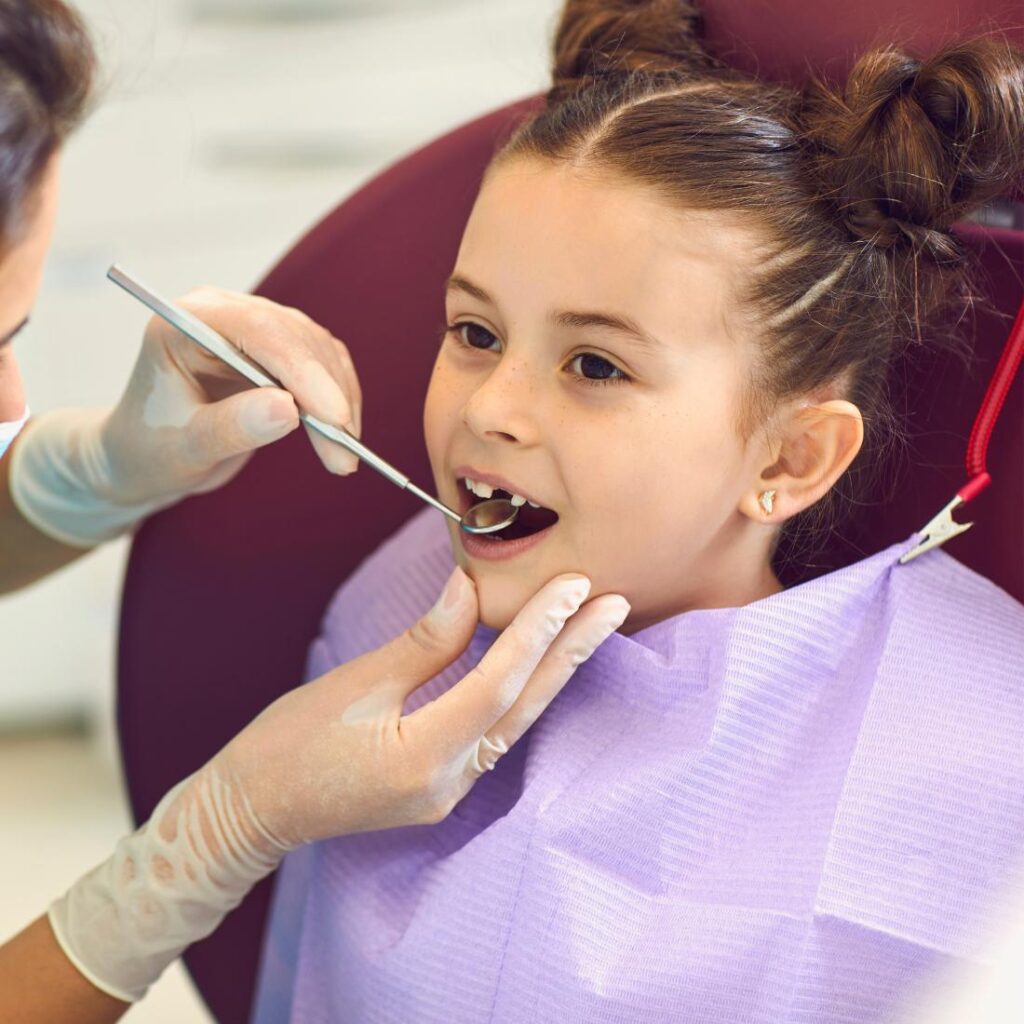
When you’re expecting, every healthcare decision carries extra weight—including dental care. Many pregnant patients wonder whether sedation dentistry is safe, especially if they experience dental anxiety or require more complex procedures. The good news is that dental care during pregnancy is not only safe but also essential. However, when it comes to dental sedation, the answer is more nuanced. Dentists carefully weigh the benefits, risks, and timing before recommending sedation for pregnant patients.
The Importance of Dental Care During Pregnancy
First and foremost, maintaining oral health during pregnancy is critical. Hormonal changes can increase the risk of gum disease, inflammation, and tooth decay. According to the American Dental Association, preventive, diagnostic, and restorative dental treatments are safe at any stage of pregnancy, and delaying necessary care can lead to more serious complications.
Similarly, the American College of Obstetricians and Gynecologists emphasizes that untreated dental issues can negatively impact both maternal and fetal health, reinforcing the importance of timely dental treatment.
Understanding Dental Sedation
Dental sedation refers to the use of medication to help patients relax during procedures. It can range from mild sedation (like oral medications or nitrous oxide) to moderate or deep sedation (such as IV sedation or general anesthesia).
While sedation can make dental visits more comfortable, its use during pregnancy requires special consideration because medications can cross the placenta and potentially affect the developing baby.
Is Dental Sedation Safe During Pregnancy?
In general, dentists agree that basic dental care with local anesthesia is safe, but sedation is approached with caution.
Local anesthetics such as lidocaine are widely considered safe and are commonly used during pregnancy. However, sedation methods—especially those involving systemic medications—are evaluated on a case-by-case basis.
Here’s what most dental professionals recommend:
1. Avoid Sedation for Elective Procedures
If a dental procedure is not urgent, dentists typically recommend postponing it until after delivery—especially if it requires sedation. This minimizes any potential risk to the fetus.
2. Necessary Treatment May Still Proceed
If a procedure is medically necessary—such as treating infection, severe pain, or advanced gum disease—dentists may proceed with sedation using the safest possible approach. In these cases, the benefits of treatment outweigh the risks of delaying care.
3. Timing Matters
The stage of pregnancy plays a major role in decision-making:
-
First trimester: Avoid sedation when possible due to critical fetal development.
-
Second trimester: Often considered the safest window for necessary dental procedures.
-
Third trimester: Sedation may be limited due to discomfort and potential complications like premature labor.
What About Nitrous Oxide (Laughing Gas)?
Nitrous oxide is one of the most commonly used sedation methods in dentistry—but it’s generally not recommended for pregnant patients.
The ADA classifies nitrous oxide as a Category C substance, meaning there is potential risk to the fetus. Pregnant patients and even dental staff are advised to avoid exposure when possible.
Types of Sedation and Their Considerations
-
Oral Sedation: May be used cautiously, but only if necessary and under strict medical guidance.
-
IV Sedation: Typically reserved for urgent or complex procedures and requires careful monitoring.
-
General Anesthesia: Usually avoided unless absolutely necessary due to its deeper systemic effects.
Some studies suggest that certain forms of anesthesia may be safe, but due to limited data and variability in patient health, dentists err on the side of caution.
Collaboration Is Key
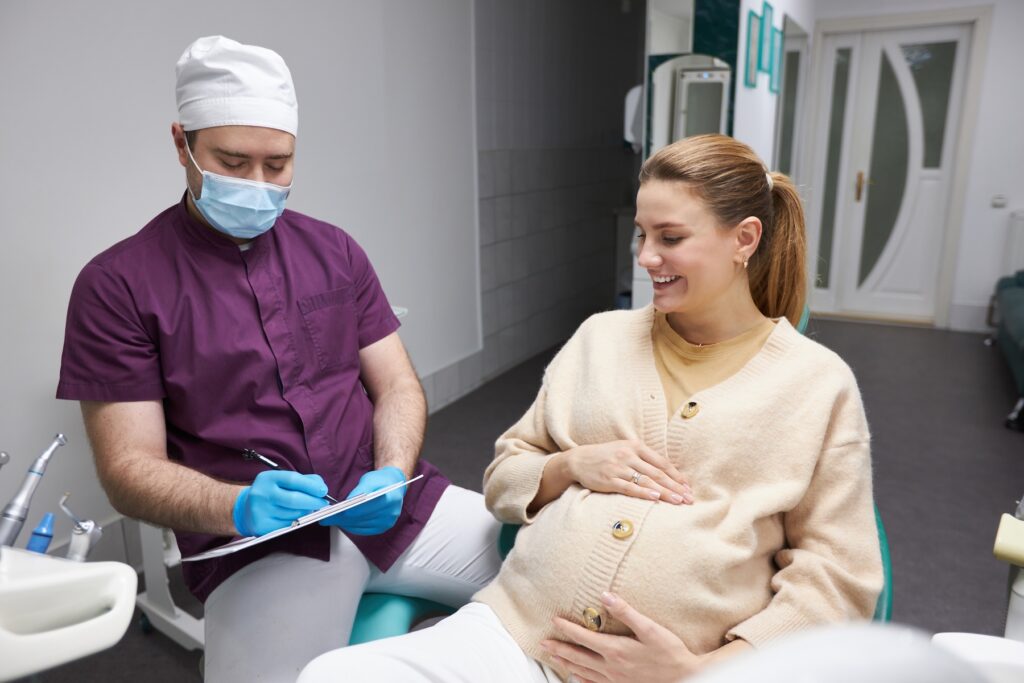
One of the most important recommendations from dentists is open communication between your dental provider and your OB-GYN. Every pregnancy is different, and factors such as medical history, risk level, and trimester all influence what’s safe.
Before undergoing any procedure involving sedation, your dentist may:
-
Review your medical history
-
Consult with your obstetrician
-
Adjust medications and techniques
-
Monitor you more closely during treatment
Safer Alternatives to Sedation
For pregnant patients who experience dental anxiety, dentists often recommend alternatives such as:
-
Local anesthesia alone
-
Shorter, more frequent appointments
-
Relaxation techniques or guided breathing
-
Non-pharmacological comfort methods
These approaches can often provide enough comfort without introducing additional risks.
So, is dental sedation safe during pregnancy? The answer is: sometimes—but only when necessary and carefully managed. Routine dental care is not only safe but encouraged during pregnancy. However, sedation is typically avoided unless the procedure is urgent and cannot be delayed. When sedation is required, dentists take every precaution to protect both mother and baby. For patients considering sedation dentistry, working with an experienced provider like Dental Sedation Services ensures that your care plan is tailored to your unique needs—prioritizing both comfort and safety at every step.
If you’re pregnant and need dental treatment, don’t delay seeking care. With the right guidance and a collaborative approach, you can maintain a healthy smile throughout your pregnancy—safely and confidently.
Dental Sedation Services specializes in providing mobile, office-based anesthesia and sedation support across New Jersey and Pennsylvania. We partner with general dentists, specialists and pediatric practices to bring hospital-grade anesthesia into the dental operatory—so you can treat complex cases in-house without the added infrastructure burden.
Other Posts:
How Sedation Dentistry Supports Patients with PTSD or Trauma Histories
Behind the Scenes: A Day in the Life of a Mobile Dental Anesthesiologist
Sedation Options for Special Needs Patients: Gentle Care That Makes a Difference