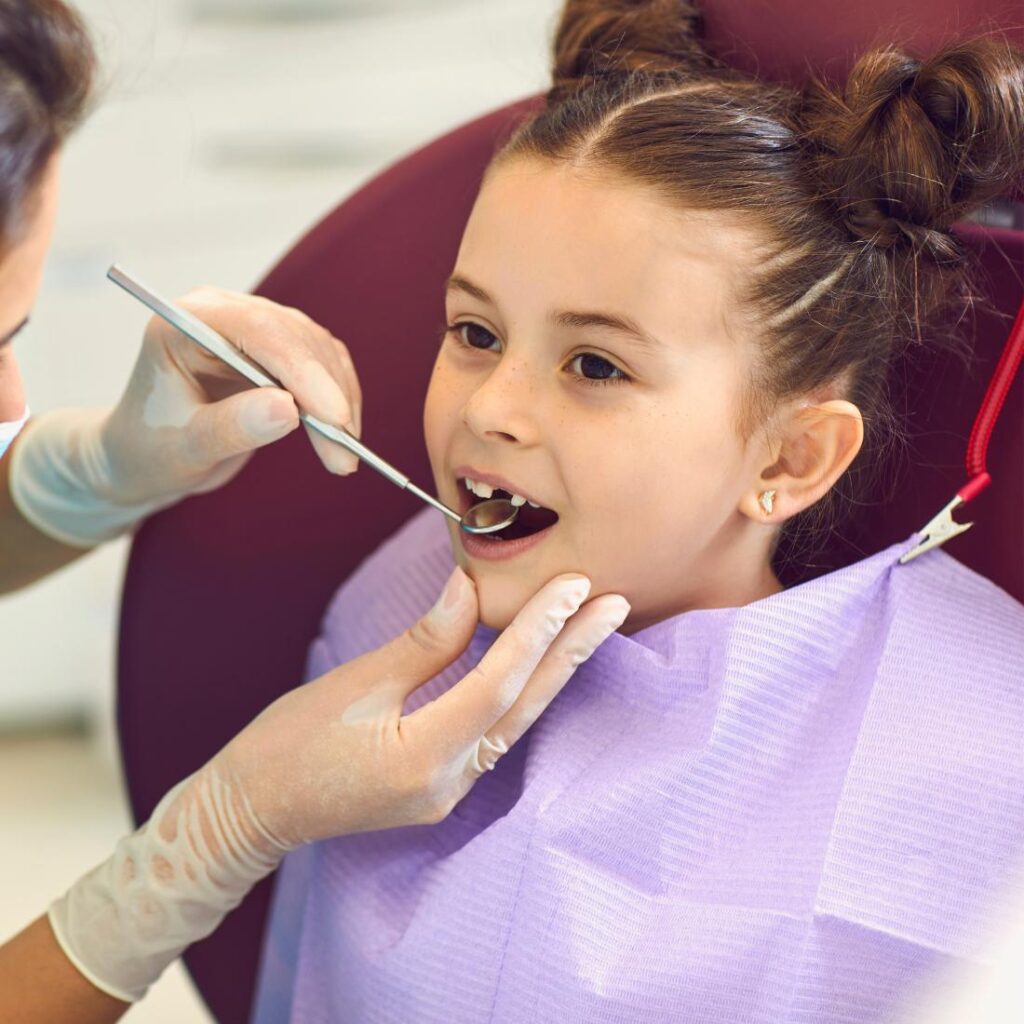
Sedation dentistry for seniors is becoming increasingly popular as more older adults seek comfortable and stress-free dental care. Many elderly patients experience dental anxiety, sensitivity, or require complex procedures that make sedation a practical option. However, safety remains a top concern when it comes to elderly dental sedation. With proper evaluation and professional care, sedation dentistry can be both safe and highly effective for seniors. Understanding the risks, benefits, and precautions is essential for making informed decisions.
Why Seniors Consider Sedation Dentistry
Older adults often face unique challenges that make sedation dentistry beneficial. From chronic conditions to heightened dental anxiety, sedation helps create a smoother experience.
Common Reasons for Dental Sedation
- Dental anxiety or fear of procedures
- Difficulty sitting still for long periods
- Low pain tolerance or tooth sensitivity
- Complex or multiple dental treatments
- Medical conditions like arthritis or tremors
Types of Sedation Used in Senior Dental Care
Different sedation methods are available, each with varying safety levels depending on the patient’s health.
| Sedation Type | Description | Safety Level for Seniors |
|---|---|---|
| Nitrous Oxide | Mild calming gas inhaled through mask | Very safe |
| Oral Sedation | Prescription pills for relaxation | Moderate |
| IV Sedation | Administered directly into bloodstream | Requires monitoring |
| General Anesthesia | Patient is fully unconscious | Higher risk |
Is Sedation Dentistry Safe for Seniors?
Sedation dentistry safety for seniors largely depends on proper screening and professional supervision. Dentists carefully review medical history, current medications, and overall health before recommending any sedation method. When administered correctly, most sedation techniques are considered safe for elderly patients. Modern dental practices use advanced monitoring equipment to track vital signs during procedures. Choosing the right type of sedation and experienced professionals significantly reduces risks.
Health Factors That Affect Sedation Safety
Certain health conditions can influence how seniors respond to sedation. Understanding these factors helps ensure a safer dental experience.
Key Medical Considerations
- Heart disease and high blood pressure
- Diabetes and blood sugar control
- Respiratory conditions like COPD
- Medication interactions and allergies
- Cognitive disorders such as dementia
Benefits of Sedation Dentistry for Elderly Patients
Sedation dentistry offers multiple advantages that improve both comfort and treatment outcomes.
- Reduces anxiety and fear during procedures
- Minimizes pain and discomfort
- Allows multiple treatments in one visit
- Helps patients remain calm and cooperative
- Improves overall oral health compliance
Risks and Potential Side Effects
While generally safe, sedation dentistry may come with mild side effects or rare complications.
Common Side Effects vs Serious Risks
| Mild Side Effects | Serious Risks |
|---|---|
| Drowsiness | Breathing difficulties |
| Dry mouth | Allergic reactions |
| Nausea | Heart complications |
| Temporary confusion | Over-sedation |
How Dentists Ensure Safe Sedation for Seniors
Dental professionals follow strict protocols to maintain sedation safety for elderly patients.
- Conduct comprehensive medical evaluations
- Review medications and potential interactions
- Adjust sedation dosage based on age and health
- Continuously monitor vital signs during treatment
- Use minimally invasive sedation methods whenever possible
Tips for Seniors Before and After Sedation Dentistry
Proper preparation and aftercare play a crucial role in ensuring a safe experience.
Before the Procedure
- Follow fasting instructions provided by the dentist
- Arrange transportation for the appointment
- Share complete medical and medication history
After the Procedure
- Get plenty of rest and stay hydrated
- Avoid driving or operating machinery
- Follow all post-treatment care instructions
- Monitor for unusual symptoms and report them immediately
Choosing the Right Dentist for Senior Sedation Care
Selecting a qualified and experienced dentist is key to safe sedation dentistry.
- Look for certified sedation dentistry professionals
- Ask about experience with elderly patients
- Ensure proper emergency preparedness
- Read reviews and patient testimonials
- Choose a clinic that offers personalized senior care
Conclusion
Sedation dentistry for seniors is a safe and effective solution when performed under professional supervision. By understanding the different sedation options, potential risks, and necessary precautions, elderly patients can confidently undergo dental procedures with minimal stress. With the right dentist and proper planning, sedation dentistry enhances comfort while ensuring optimal oral health outcomes. Always consult with a qualified dental professional to determine the safest approach for your specific needs.
To find out if you are a good candidate for dental sedation, call Dental Sedation Services at 732.986.3690.