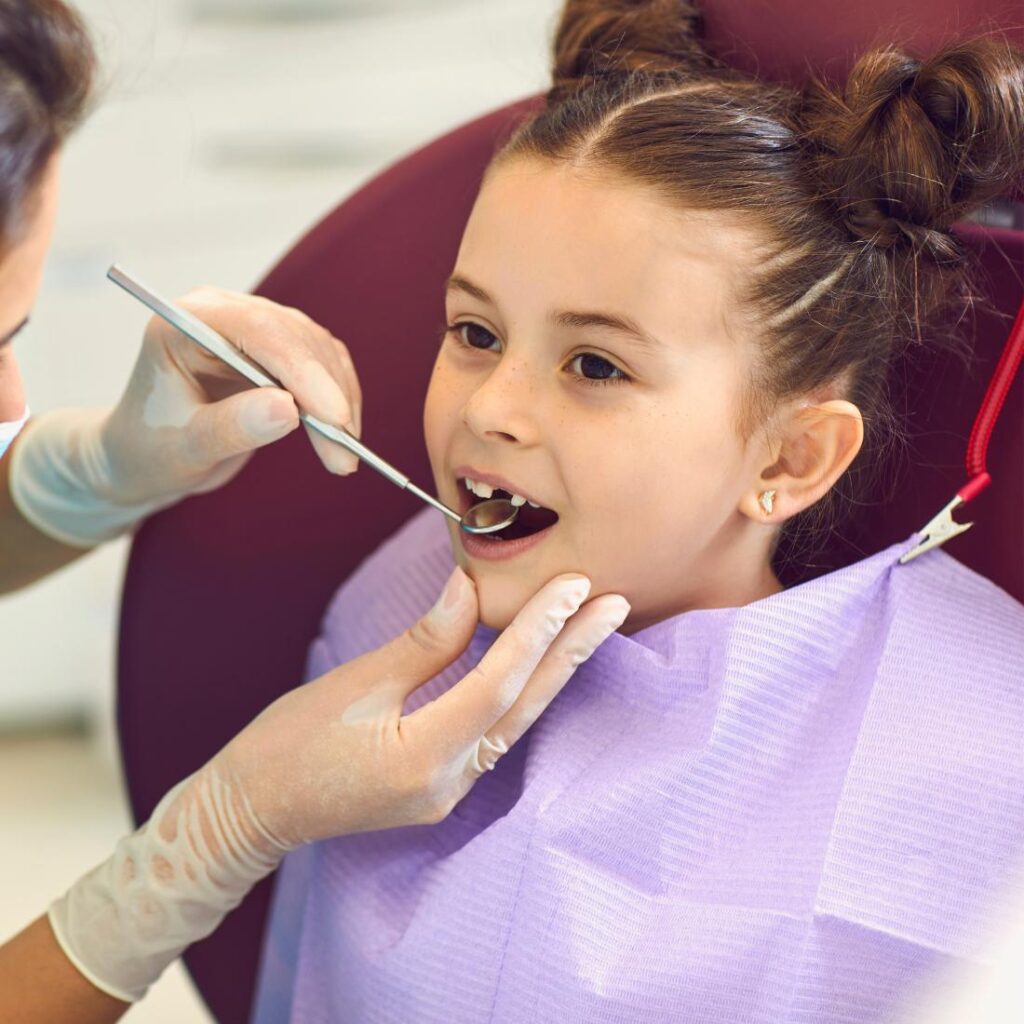
Talking about sedation dentistry can feel uncomfortable—but avoiding the conversation often leads to more stress, delayed treatments, and worsening oral health. The truth is, millions of patients experience dental anxiety, and modern dentists are trained to offer painless dentistry options tailored to your comfort. If you’ve ever hesitated to bring up your fear of the dentist, this guide will help you communicate confidently, eliminate embarrassment, and finally take control of your dental experience.
Understanding Dental Anxiety: You’re Not Alone
Dental anxiety is far more common than people admit. Whether it’s due to a past traumatic experience, fear of pain, or even the sound of dental tools, these feelings are valid—and treatable. Patients often confuse mild nervousness with severe dental phobia, but both can benefit from sedation dentistry solutions.
What’s important to remember is this: dentists hear these concerns every day. You’re not being judged—you’re being understood. The moment you realize this, the conversation becomes much easier.
What Is Sedation Dentistry? A Simple Explanation That Removes Fear
Sedation dentistry refers to the use of medication to help patients relax during dental procedures. It’s a safe, effective approach designed for people who fear dental visits or want a more comfortable experience. From mild relaxation to deeper sedation, options are tailored to your needs.
Common Types of Sedation Dentistry
- Nitrous Oxide (Laughing Gas): Light relaxation, wears off quickly
- Oral Sedation Dentistry: A pill taken before treatment for moderate anxiety
- IV Sedation Dentistry: Deeper relaxation for longer or complex procedures
- General Anesthesia: Complete unconsciousness for surgical treatments
Understanding these options removes uncertainty, which is often the root cause of embarrassment.
Why Do People Feel Embarrassed Talking About Sedation?
Embarrassment often stems from the belief that fear equals weakness. Many patients worry their dentist will think they’re overreacting or being difficult. Others feel ashamed because they’ve delayed treatment due to anxiety.
In reality, avoiding the conversation creates bigger problems—both emotionally and physically. Dentists prefer honesty because it allows them to provide anxiety-free dental care that actually works for you.
How to Prepare Before Speaking to Your Dentist
Preparing ahead of time can significantly boost your confidence and reduce awkwardness during the conversation.
- Write down your fears (pain, needles, past experiences)
- Research sedation options dentist offers
- List medications and medical conditions
- Think about your ideal comfort level
- Prepare 2–3 key questions
This preparation shifts the conversation from emotional to practical—making it easier to express yourself clearly.
What to Say: Simple Ways to Start the Conversation Without Stress
Starting is often the hardest part. You don’t need perfect words—just honesty. Here are simple, effective phrases you can use:
- “I feel anxious during dental visits. Can we talk about sedation options?”
- “I’ve had uncomfortable experiences before and want something more relaxing.”
- “Do you offer painless dentistry options for nervous patients?”
- “I think I might need help staying calm during procedures.”
These statements are direct, professional, and help your dentist immediately understand your needs.
Questions to Ask Your Dentist About Sedation Dentistry
| Question | Why It’s Important |
|---|---|
| What sedation options do you recommend for me? | Personalized treatment plan |
| Is sedation dentistry safe for my health condition? | Ensures safety and confidence |
| How will I feel during and after the procedure? | Sets realistic expectations |
| How long does the sedation last? | Helps plan recovery time |
| What are the total costs involved? | Avoids financial surprises |
Asking the right questions transforms you from a hesitant patient into an informed decision-maker.
What Happens After You Speak Up: No Judgment, Only Solutions
Once you open up, most dentists will respond with empathy and reassurance. They may ask follow-up questions, explain suitable sedation methods, and create a customized treatment plan.
Modern dental practices prioritize patient comfort dentistry, meaning your emotional well-being is just as important as your oral health. Instead of feeling embarrassed, you’ll likely feel relieved that someone finally understands your concerns.
The Benefits of Being Honest About Dental Anxiety
Speaking openly about your fears can completely transform your dental experience:
- Reduced anxiety and stress during visits
- Pain-free or minimal discomfort procedures
- Faster and more efficient treatments
- Improved oral health outcomes
- Stronger trust with your dentist
Honesty doesn’t just make things easier—it makes them better.
Final Tips to Overcome Embarrassment and Take Control of Your Dental Care
If embarrassment is still holding you back, shift your mindset: asking for help is not a weakness—it’s a smart health decision. Choose a dentist known for treating nervous patients, start with smaller procedures, and remind yourself that your comfort matters.
Confidence grows with action. The more you communicate, the easier it becomes.
Conclusion: Your Comfort Comes First—Always
Sedation dentistry is not something to feel embarrassed about—it’s a modern solution designed to help you get the care you deserve without fear. By preparing ahead, using simple conversation starters, and asking the right questions, you can eliminate anxiety and build a positive relationship with your dentist.
Don’t let fear delay your health any longer. Book a consultation, start the conversation, and take your first step toward a calm, pain-free dental experience today.