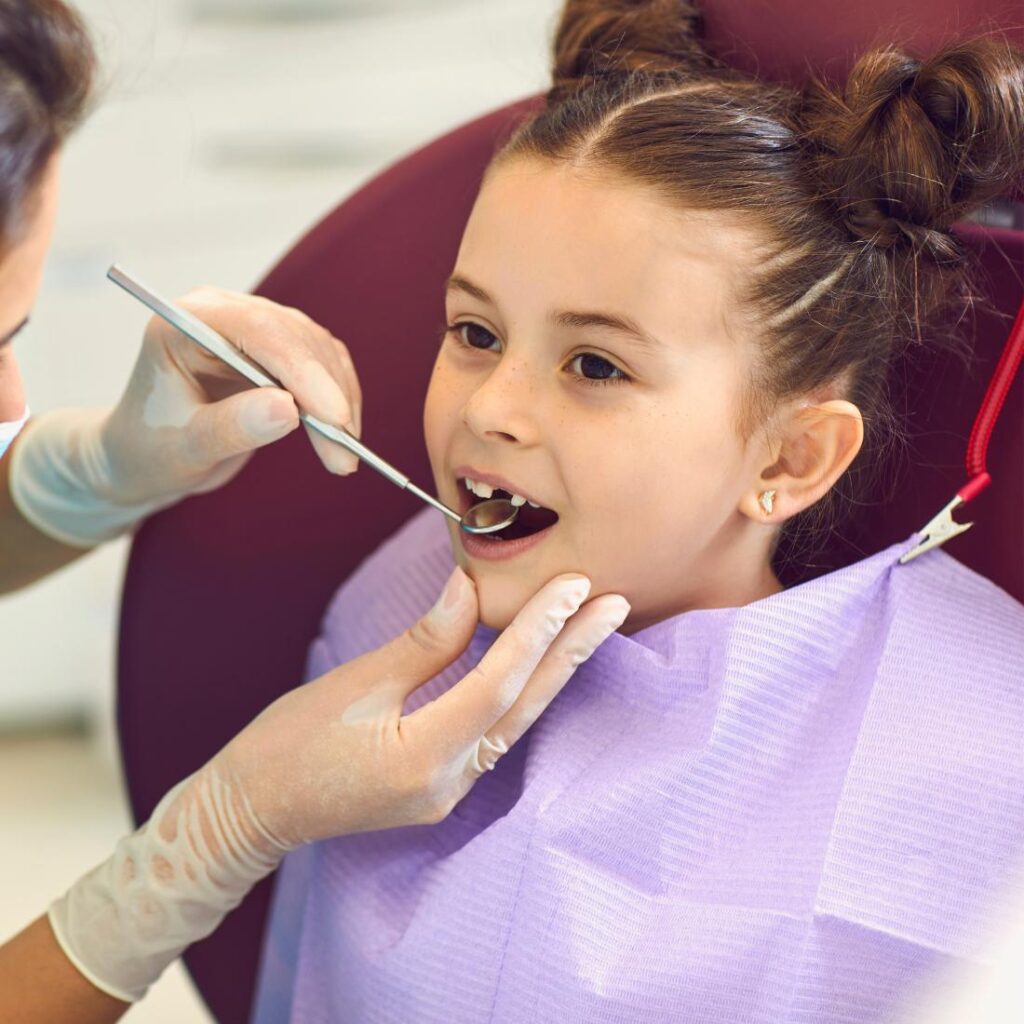
Modern dentistry has significantly evolved to prioritize patient comfort, making even complex procedures more manageable and stress-free. One of the most important advancements in this field is sedation dentistry, which allows patients to undergo treatment with minimal anxiety, discomfort, or awareness of pain.
For individuals who experience dental fear, anxiety, or sensitivity, sedation dentistry has become a reliable solution that transforms the overall dental experience into something calm and controlled.
What Sedation Dentistry Means in Modern Dental Care
Sedation dentistry refers to the use of medication to help patients relax during dental procedures. It does not always mean complete unconsciousness; instead, it ranges from mild relaxation to full sedation depending on the patient’s needs and the complexity of the treatment.
In simple terms, sedation dentistry helps patients stay calm while receiving care, making procedures like cleanings, fillings, root canals, and surgeries significantly more comfortable. This approach is often searched as “painless dental treatment options” and “dental anxiety relief methods.”
Why Sedation Dentistry Has Become So Popular Today
The growing demand for sedation dentistry is closely linked to rising awareness about oral health and patient-centered care. Many people previously avoided dental visits due to fear or discomfort, but modern sedation techniques have changed that perception completely.
Key reasons behind its popularity include:
- Increasing awareness of dental anxiety treatment options
- Demand for painless and stress-free dentistry
- Advancements in safe anesthesia techniques
- Higher number of complex procedures like implants and oral surgeries
- Improved patient experience and recovery outcomes
Levels of Sedation in Dentistry Explained
Sedation dentistry is categorized into different levels depending on how deeply a patient is relaxed. Each level is designed for specific needs and procedures.
Minimal Sedation (Nitrous Oxide / Laughing Gas)
Minimal sedation is the lightest form and is widely used for patients with mild anxiety. Nitrous oxide, commonly known as laughing gas, is inhaled through a mask and produces a gentle calming effect within minutes. Patients remain fully awake, can respond to instructions, and recover quickly after the procedure.
This option is often recommended for routine treatments such as cleanings and fillings. It is popular in searches like “nitrous oxide sedation dentistry” due to its safety and fast recovery.
Oral Sedation (Sedation in Pill Form)
Oral sedation involves taking a prescribed medication before the dental appointment. It produces a deeper sense of relaxation compared to nitrous oxide, and many patients feel drowsy or may not clearly remember the procedure afterward.
This method is commonly used for patients with moderate anxiety or for longer treatments such as crowns or root canals. It is frequently searched as “oral sedation dentistry options” and is valued for its simplicity and effectiveness.
IV Sedation (Intravenous Sedation)
IV sedation is a stronger form of sedation delivered directly into the bloodstream, allowing for immediate and adjustable relaxation levels. Patients enter a deeply relaxed state and often have little to no memory of the procedure.
It is typically used for more complex dental work such as implants or surgical extractions. Dentists can carefully control the sedation level throughout the treatment, ensuring maximum comfort and safety.
Deep Sedation & General Anesthesia
This is the deepest level of sedation where patients are either fully unconscious or near-unconscious. It is usually performed in hospital settings or specialized clinics under strict monitoring.
It is reserved for major oral surgeries, complex cases, or patients with extreme dental phobia or special healthcare needs.
Quick Comparison of Sedation Levels
| Sedation Level | Awareness Level | Recovery Time | Common Use Cases | Anxiety Control |
|---|---|---|---|---|
| Minimal Sedation (Nitrous Oxide) | Fully awake | Very fast | Cleanings, minor fillings | Mild |
| Oral Sedation | Drowsy, semi-aware | Moderate | Root canals, crowns | Moderate |
| IV Sedation | Very relaxed, little memory | Slower | Implants, extractions | High |
| General Anesthesia | Fully unconscious | Longest | Surgery, complex cases | Complete |
Safety Measures in Modern Sedation Dentistry
Safety is a top priority in sedation dentistry, and modern dental clinics follow strict protocols to ensure patient well-being. Before any sedation procedure, dentists carefully evaluate medical history, allergies, and current health conditions.
During treatment, continuous monitoring of vital signs such as heart rate, oxygen levels, and blood pressure is performed. In many cases, a trained anesthesiologist is present to ensure complete control and safety throughout the procedure.
These measures make sedation dentistry one of the safest advancements in modern dental care when performed by qualified professionals.
Who Can Benefit from Sedation Dentistry
Sedation dentistry is designed for a wide range of patients who may struggle with traditional dental treatments. It is especially beneficial for individuals who:
- Experience severe dental anxiety or fear
- Have a low pain threshold
- Require lengthy or complex procedures
- Have a strong gag reflex
- Need multiple treatments in one visit
- Are children or patients with special healthcare needs
For many patients, sedation dentistry is the difference between avoiding treatment and maintaining good oral health.
How Dentists Choose the Right Sedation Level
The selection of sedation level is never random. Dentists carefully evaluate several important factors before recommending an option. These include the type of procedure, the patient’s anxiety level, overall health condition, and expected treatment duration.
Based on this assessment, the dentist creates a personalized sedation plan that ensures maximum comfort, safety, and effectiveness. This customized approach is one of the key reasons modern sedation dentistry is so successful.
Final Thoughts on Sedation Dentistry
Sedation dentistry has transformed the way patients experience dental care. From light relaxation using nitrous oxide to complete unconsciousness under general anesthesia, each level is designed to meet specific needs while ensuring safety and comfort.
For anyone who has been delaying dental treatment due to fear or discomfort, modern sedation techniques offer a practical and safe solution to finally receive the care they need without stress.
If dental anxiety has been holding you back, now is the time to take control of your oral health.
👉 Book a consultation today to find the safest and most effective sedation option for your needs.
Experience comfortable, pain-free, and stress-free dentistry designed for your comfort.