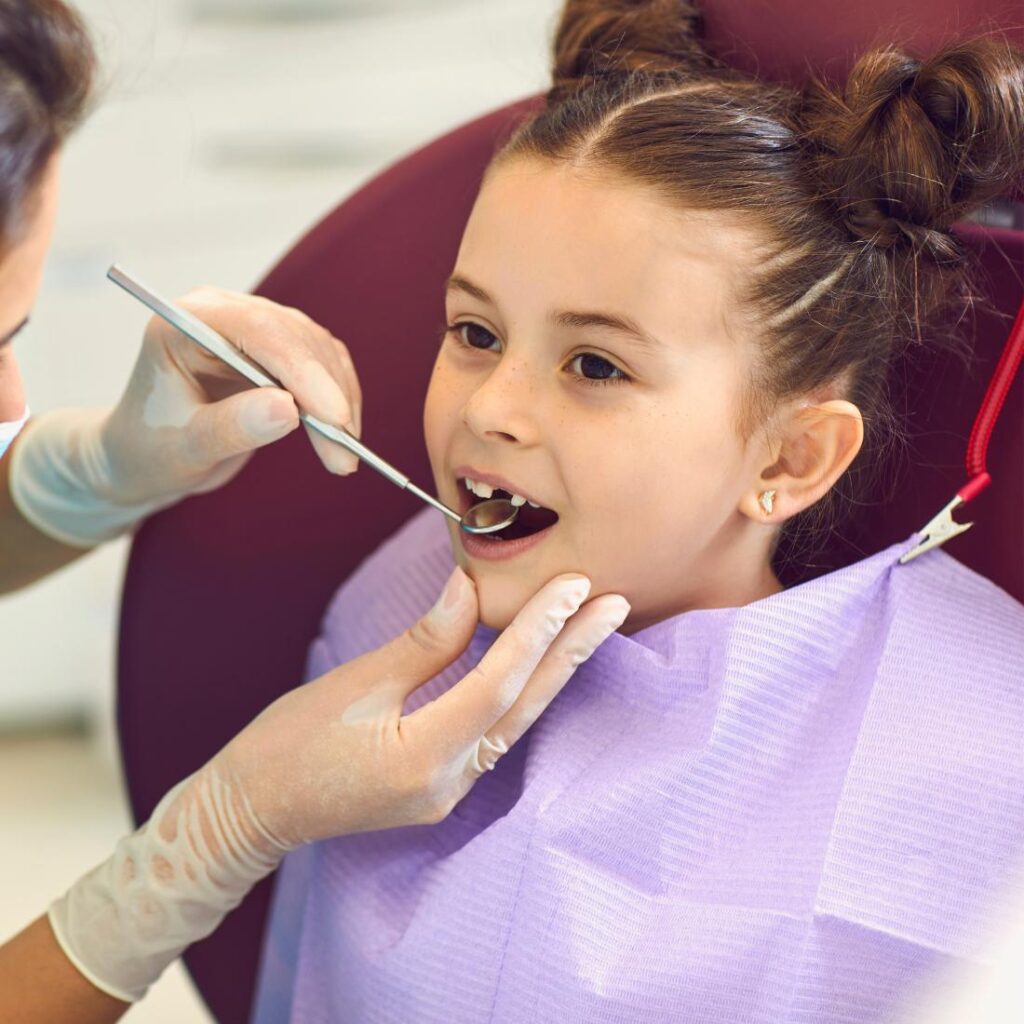
For many people, visiting the dentist can trigger feelings of fear, stress, or uneasiness. While occasional nervousness is normal, persistent dental anxiety can have consequences that extend far beyond your oral health. When fear keeps you from receiving regular dental care, it can gradually affect your teeth, gums, mental well-being, and even your overall physical health.
Understanding the signs that dental anxiety is affecting your health is the first step toward regaining control and protecting your long-term wellness.
Understanding Dental Anxiety and Its Hidden Impact
Dental anxiety is more than simply feeling nervous before an appointment. It is an intense fear or stress associated with dental visits, dental procedures, or even thinking about dental treatment. Some people experience mild anxiety, while others develop severe dental phobia that causes them to avoid the dentist altogether.
Unfortunately, postponing dental care often creates a cycle of worsening oral health problems, increased treatment needs, and even greater anxiety. Over time, this cycle can negatively affect many aspects of your overall health.
What Causes Dental Anxiety?
Several factors contribute to dental anxiety, and understanding the root cause can help individuals seek the right support.
Past Negative Experiences
Painful or traumatic dental procedures in childhood or adulthood can create lasting fear and hesitation toward future treatments.
Fear of Pain or Needles
Many patients worry that dental procedures will be painful, even though modern dentistry offers numerous pain-management techniques.
Embarrassment About Oral Health
People who have neglected their oral care may feel ashamed about the condition of their teeth and avoid seeking help.
Loss of Control
Sitting in a dental chair while someone works inside your mouth can create feelings of vulnerability and discomfort.
Skipping Dental Visits: The First Major Warning Sign
One of the clearest signs that dental anxiety is affecting your health is avoiding regular dental checkups. Missing routine visits allows minor issues to become major problems.
Without professional cleanings and examinations, you may develop:
- Plaque and tartar buildup
- Tooth decay and cavities
- Gum inflammation
- Persistent bad breath
- Undetected oral infections
- Advanced gum disease
The longer dental care is delayed, the more complex and costly treatment may become.
Physical Symptoms of Dental Anxiety You Shouldn’t Ignore
Dental anxiety can trigger a variety of physical reactions, even before an appointment begins.
Common symptoms include:
- Rapid heartbeat
- Sweating excessively
- Nausea or stomach discomfort
- Difficulty sleeping before appointments
- Muscle tension
- Dizziness or lightheadedness
- Panic attacks in the dental office
These symptoms are signs that your anxiety is affecting not only your emotions but also your body’s stress response system.
How Dental Anxiety Impacts Oral Health in the Long Run
When dental anxiety leads to avoidance, oral health often deteriorates gradually.
| Oral Health Issue | How Dental Anxiety Contributes |
|---|---|
| Tooth Decay | Delayed treatment of cavities |
| Gum Disease | Skipping cleanings and checkups |
| Tooth Loss | Untreated infections and severe decay |
| Bad Breath | Poor oral hygiene and gum problems |
| Tooth Sensitivity | Progression of untreated dental issues |
Ignoring these problems can lead to pain, difficulty eating, and reduced quality of life.
The Connection Between Oral Health and Overall Physical Health
Many people are surprised to learn that poor oral health can influence the health of the entire body. Dental anxiety indirectly contributes to several serious health concerns by preventing timely dental care.
Increased Risk of Heart Problems
Untreated gum disease can lead to chronic inflammation, which has been linked to cardiovascular health issues. Maintaining healthy gums is an important part of protecting overall wellness.
Complications for People with Diabetes
Oral infections and gum disease may make blood sugar levels more difficult to control. Likewise, poorly controlled diabetes can worsen oral health conditions.
Chronic Inflammation
Inflammation caused by untreated dental infections can place ongoing stress on the body’s immune system and affect overall health.
Nutritional Problems
Painful teeth or missing teeth can make chewing difficult, causing people to avoid healthy foods such as fruits, vegetables, and lean proteins.
Psychological Effects of Untreated Dental Fear
Dental anxiety affects more than physical health—it can also impact emotional well-being and daily life.
People with severe dental fear may experience:
- Constant stress and worry
- Reduced self-confidence due to dental appearance
- Social anxiety caused by bad breath or missing teeth
- Embarrassment when smiling
- Increased general anxiety
- Feelings of guilt for delaying treatment
Over time, these emotional effects can lower overall quality of life and make seeking dental care even more difficult.
Signs Your Dental Anxiety Is Becoming Severe
If you notice any of the following behaviors, your dental anxiety may require professional attention:
- Frequently canceling appointments
- Ignoring tooth pain or swelling
- Avoiding discussions about dental treatment
- Experiencing panic attacks before visits
- Taking pain medication repeatedly instead of seeking treatment
- Feeling intense fear just thinking about the dentist
Recognizing these signs early can help prevent more serious oral and health complications.
Modern Solutions for Managing Dental Anxiety
The good news is that dental anxiety is highly manageable. Modern dentistry offers many solutions designed to make patients feel comfortable and confident.
Sedation Dentistry
Sedation options help anxious patients relax during dental procedures. Depending on your needs, your dentist may recommend mild sedation or deeper forms of relaxation.
Open Communication
Discussing your fears with your dentist allows them to adjust their approach, explain procedures clearly, and create a more comfortable experience.
Relaxation Techniques
Deep breathing exercises, mindfulness practices, and calming music can help reduce stress before and during appointments.
Cognitive Behavioral Therapy (CBT)
CBT is an effective psychological approach that helps individuals identify and change negative thought patterns associated with dental fear.
Rebuilding a Healthy Relationship with Dental Care
Overcoming dental anxiety does not happen overnight, but small steps can make a significant difference. Start by scheduling a consultation rather than a treatment appointment. Choose a compassionate dentist who understands anxiety and prioritizes patient comfort.
Regular preventive care not only keeps your teeth healthy but also reduces the likelihood of needing extensive procedures in the future. As positive experiences replace fearful ones, dental visits often become much easier to manage.
Don’t let dental anxiety stand between you and a healthy smile. Schedule a consultation with an experienced, compassionate dentist who understands your concerns and offers anxiety-friendly treatment options tailored to your needs.
Other Related Posts:
How Sedation Dentistry Can Reduce Appointment Time
Is Sedation Dentistry Covered by Insurance? What Patients Should Know
Why Sedation Dentistry Is Becoming More Popular in Modern Dental Care