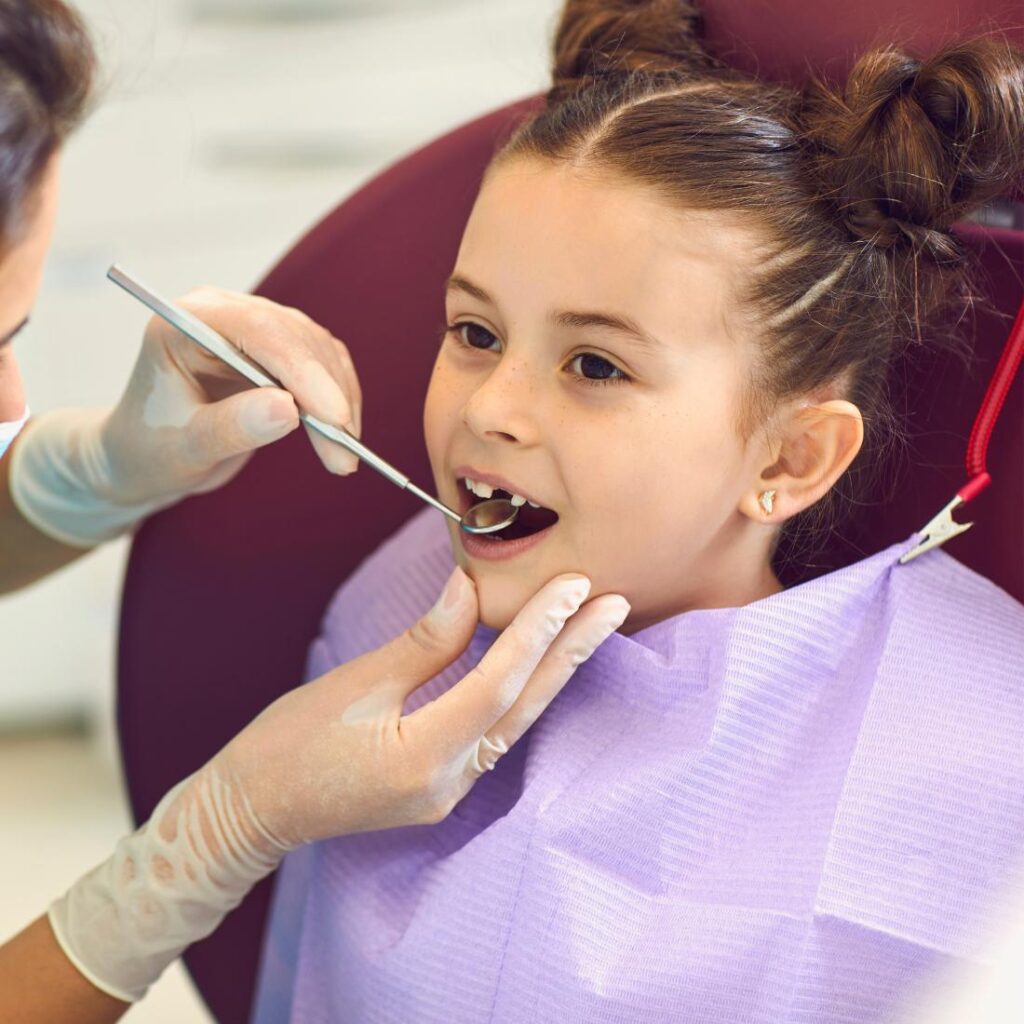
Dental sedation has transformed the experience of visiting the dentist for millions of people. Whether you struggle with dental anxiety, require a lengthy procedure, or have a sensitive gag reflex, sedation dentistry can help you feel more relaxed and comfortable during treatment. However, despite its many benefits, dental sedation is not the right solution for everyone. Certain medical conditions, medications, and individual health factors can make sedation less suitable or require additional precautions before treatment begins.
Understanding when dental sedation may not be appropriate can help you make informed decisions about your oral health. A qualified dentist will always review your medical history, discuss your concerns, and recommend the safest option based on your individual needs.
Understanding Dental Sedation and How It Works
Dental sedation involves using medications to help patients remain calm and comfortable during dental procedures. Depending on the type of treatment and the patient’s anxiety level, dentists may recommend nitrous oxide (laughing gas), oral sedation, IV sedation, or, in some cases, general anesthesia.
Sedation dentistry is commonly recommended for patients with severe dental anxiety, those undergoing complex procedures, individuals with special healthcare needs, or patients who have difficulty sitting through lengthy appointments. While these methods are generally safe when administered by trained professionals, every patient responds differently, making a thorough evaluation essential before treatment.
When Is Dental Sedation Not the Right Choice?
Although sedation dentistry is safe for many people, there are situations where it may not be the best option. Your dentist may recommend delaying or avoiding sedation if you have certain health conditions or risk factors, including:
- Severe respiratory conditions such as uncontrolled asthma or chronic obstructive pulmonary disease (COPD)
- Obstructive sleep apnea that increases the risk of breathing complications
- Pregnancy, particularly during the first trimester unless absolutely necessary
- Allergies to sedative medications
- A history of serious reactions to anesthesia
- Certain liver or kidney diseases that affect medication metabolism
- Uncontrolled diabetes or high blood pressure
- Drug interactions with prescription medications
- A history of substance misuse or alcohol dependence
- Inability to follow pre- or post-sedation instructions safely
These situations do not always rule out dental treatment, but they often require additional medical clearance or alternative approaches to ensure patient safety.
Medical Conditions That Require Extra Caution Before Sedation
Many medical conditions do not automatically prevent dental sedation, but they do require careful planning. Patients with cardiovascular disease may need additional monitoring because some sedative medications can affect blood pressure and heart rate. Likewise, respiratory disorders may increase the likelihood of breathing difficulties during sedation.
Neurological conditions, obesity, and certain chronic illnesses may also influence how the body processes sedative medications. If you have liver or kidney disease, your body may eliminate medications more slowly, increasing the duration or intensity of sedation. This is why dentists often request a complete medical history and may consult your physician before recommending sedation dentistry.
Dental Sedation Suitability Checklist
The table below provides a general overview of when dental sedation may or may not be appropriate. Individual recommendations will always depend on your dentist’s professional evaluation.
| Patient Condition | Sedation Suitability | Recommendation |
|---|---|---|
| Mild dental anxiety | Generally suitable | Nitrous oxide or oral sedation may be recommended |
| Healthy adult | Usually suitable | Safe after medical evaluation |
| Pregnancy | May require caution | Discuss with your dentist and physician |
| Severe sleep apnea | Often not recommended | Consider alternative comfort techniques |
| Respiratory disease | Requires evaluation | Additional monitoring may be necessary |
| Previous anesthesia complications | Requires caution | Medical consultation before treatment |
This checklist is intended as a general guide. Every patient is unique, and the safest treatment plan should always be based on a comprehensive dental and medical assessment.
Risks of Choosing Sedation When It Isn’t Appropriate
Using dental sedation without proper screening can increase the risk of complications. Although serious adverse events are uncommon, selecting the wrong sedation method or overlooking medical conditions may lead to unnecessary health concerns.
Potential risks include breathing difficulties, excessive drowsiness, allergic reactions, low blood pressure, delayed recovery, nausea, medication interactions, and increased monitoring requirements during treatment. These risks highlight why dentists spend time reviewing your medical history, current medications, and previous experiences with anesthesia before recommending sedation.
The goal of sedation dentistry is not simply comfort—it is safe, personalized care that minimizes risks while helping patients receive the treatment they need.
Safe Alternatives to Dental Sedation
If sedation is not recommended, you still have several effective options to make dental visits more comfortable. Local anesthesia can eliminate pain without affecting your level of consciousness, making it suitable for many routine procedures.
Other alternatives include relaxation techniques, guided breathing exercises, calming music, noise-canceling headphones, shorter treatment appointments, and distraction methods that reduce stress naturally. Patients with severe dental anxiety may also benefit from cognitive behavioral therapy (CBT), which helps address the underlying fear associated with dental visits. Many dental practices combine these approaches to create a positive and comfortable experience without relying on sedation.
Questions Your Dentist Will Ask Before Recommending Sedation
Before recommending any type of dental sedation, your dentist will conduct a detailed consultation. You can expect questions about your current medications, allergies, chronic health conditions, previous surgeries, and any reactions you’ve experienced with anesthesia.
Your dentist may also ask whether you are pregnant, have been diagnosed with sleep apnea, smoke, consume alcohol regularly, or have recently experienced any changes in your overall health. These questions are not simply routine—they are essential for selecting the safest treatment plan and reducing the likelihood of complications.
Providing accurate and complete information allows your dental team to customize your care and determine whether sedation is appropriate or if another approach would better suit your needs.
How Dentists Determine If Dental Sedation Is Safe for You
Choosing the right sedation method involves more than identifying dental anxiety. Dentists begin by reviewing your complete medical history and evaluating the complexity of the planned procedure. They also assess your anxiety level, current medications, allergies, vital signs, and overall physical health.
Based on this information, they determine your level of risk and select the safest sedation option—or recommend avoiding sedation altogether if necessary. You’ll also receive detailed instructions about eating, drinking, transportation, and recovery to ensure the procedure goes as smoothly as possible.
This careful evaluation process allows dentists to prioritize both patient comfort and safety, ensuring the best possible outcome.
Final Thoughts
Dental sedation has made dental care more accessible for patients who experience fear, anxiety, or require extensive treatment. However, it is not the right choice for everyone. Medical conditions, medication interactions, pregnancy, respiratory disorders, and previous anesthesia complications may require alternative approaches or additional precautions.
The good news is that modern dentistry offers many safe and effective ways to keep patients comfortable, even when sedation is not recommended. By discussing your medical history openly and following your dentist’s guidance, you can receive personalized care that protects both your oral health and your overall well-being. If you’re unsure whether dental sedation is right for you, schedule a consultation with your dentist to explore the safest and most comfortable treatment options available.