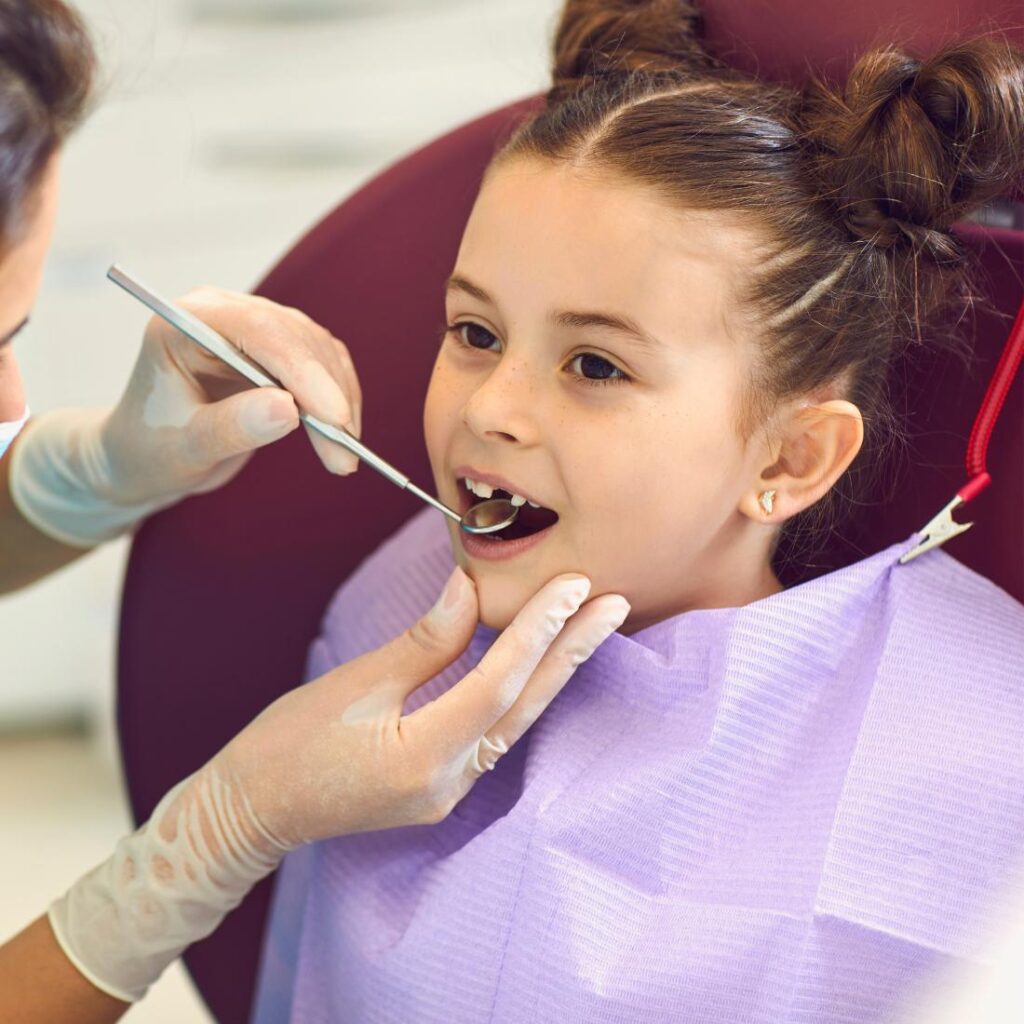
For millions of people, the thought of sitting in a dental chair triggers immediate dread. If you suffer from chronic tooth sensitivity, that apprehension is not merely emotional—it is rooted in acute physical discomfort. The sudden blast of cold air, the high-frequency vibration of a metal scaler, or the icy spray of water can send sharp, electrifying shocks straight to the nerve.
This sensory overload often leads to a damaging cycle: patients skip routine cleanings to avoid pain, minor enamel erosion quietly turns into advanced decay, and simple preventative care eventually spirals into complex, invasive procedures. Sedation dentistry offers a proven medical solution to break this cycle. By calming the central nervous system, modern sedation techniques make it possible for individuals with hypersensitive teeth to undergo both routine checkups and complex restorations in total physical comfort.
Why Does Dental Treatment Trigger Severe Sensitivity?
Tooth sensitivity during dental work usually stems from exposed anatomical structures that standard clinical tools inadvertently stimulate:
-
Exposed Dentinal Tubules: When gum lines recede or protective enamel wears thin due to acid erosion or grinding, microscopic channels (dentinal tubules) are left uncovered. These tubules lead straight to the dental pulp and inner nerves.
-
Thermal Shock from Water and Air: Ultrasonic scalers and high-speed handpieces continuously spray cold water to prevent heat friction. For exposed tubules, this rapid temperature shift creates instantaneous nerve shocks.
-
Mechanical and Vibrational Trauma: The rapid rotation of dental drills and mechanical scraping against root surfaces creates mechanical vibrations that hyperactive nerve pathways interpret as acute pain.
-
Central Sensory Amplification: Anticipatory anxiety actually lowers your physiological pain threshold. When you brace yourself for an expected shock, your central nervous system amplifies even minor sensory stimuli.
What Is Sedation Dentistry, and How Does It Work for Sensitive Teeth?
Sedation dentistry utilizes carefully calibrated medications to induce a state of deep relaxation while dental care is delivered. While local anesthetics (such as lidocaine) work peripherally to block local nerve signals around a specific tooth, sedation operates centrally on the brain and central nervous system.
By depressing sensory perception and modulating gamma-aminobutyric acid (GABA) receptors, sedatives raise your general pain threshold and mute the brain’s reaction to sensory inputs. You remain stable, relaxed, and shielded from the visceral stress of sights, sounds, and cold temperatures. In many cases, sedation is combined with localized numbing, creating a two-layer barrier that completely insulates sensitive teeth.
Sedation Dentistry Options: Matching Your Sensitivity Level
Every patient’s sensitivity threshold and treatment plan is different. Dentists utilize several tiers of sedation to tailor the experience to individual clinical needs.
| Sedation Method | Depth of Sedation | Ideal Sensitivity & Procedure Level | Recovery Time | Escort Required? |
| Nitrous Oxide (Laughing Gas) | Minimal; conscious & responsive | Routine cleanings, minor fillings, mild enamel wear | 15–30 minutes | No (can drive yourself home) |
| Oral Conscious Sedation | Moderate; drowsy, may drift to sleep | Deep scaling, multiple fillings, moderate sensitivity | 12–24 hours | Yes (driver required) |
| IV Sedation | Deep twilight; asleep yet breathing independently | Extensive crowns, root canals, acute hypersensitivityz | 24 hours | Yes (driver required) |
| General Anesthesia | Complete unconsciousness | Complex oral surgery, severe phobia, unmanageable pain | 24–48 hours | Yes (hospital/surgical center setting) |
1. Inhaled Minimal Sedation (Nitrous Oxide)
Delivered through a comfortable nose mask, nitrous oxide blended with pure oxygen takes effect within three to five minutes. It produces a light, tingling sensation that raises your pain threshold and dulls sharp thermal sensations. Because it clears the bloodstream within minutes of receiving pure oxygen, you can drive yourself home immediately after your appointment.
2. Oral Conscious Sedation
Under this protocol, your dentist prescribes an oral sedative (often from the benzodiazepine class, such as triazolam) taken shortly before the procedure. You remain awake and responsive to verbal directions, but you will feel deeply relaxed and drowsy. Most patients remember little to nothing of the treatment once the medication wears off.
3. Intravenous (IV) Sedation
Administered directly into the bloodstream, IV sedation allows the practitioner to adjust the sedative dose in real time. Patients drift into a twilight sleep where time passes in what feels like seconds. It is ideal for individuals who experience profound pain shocks even during light contact with dental instruments.
Primary Benefits of Sedation for Patients with Hypersensitivity
Sedation provides tangible clinical advantages that go beyond merely feeling calmer in the chair:
-
Elevated Pain Thresholds: Sedatives blunt sensory perception centrally, stopping electrical pain signals from registering as distress.
-
Suppressed Gag and Flinch Reflexes: Sudden flinching from cold water contact can disrupt delicate dental work. Sedation relaxes involuntary muscle reflexes, protecting your mouth from accidental injury.
-
Streamlined, Consolidated Appointments: Instead of enduring four separate stressful visits to clean individual quadrants, sedation enables clinicians to complete extensive scaling or multiple restorations in one single, uninterrupted session.
-
Anterograde Amnesia: Sedatives produce temporary memory disruption during the visit. Because you have no lingering memory of sounds or sensations, you avoid creating negative associations that worsen dental phobia over time.
Common Procedures Made Comfortable Through Sedation
-
Deep Ultrasonic Scaling and Root Planing: Sedation eliminates the severe, electric shocks triggered by cold water scalers cleaning below sensitive gumlines.
-
Crown Preparations and Veneers: Drilling down compromised enamel often exposes sensitive inner dentin. Sedation keeps patients relaxed and still throughout the extensive preparation phase.
-
Multiple Cavity Restorations: Prevents thermal and air sensitivity caused by curing lights and suction tubes drying out exposed teeth.
-
Root Canal Therapy: Keeps patients rested and unbothered during lengthy canal disinfection and instrument passes.
Who Is an Ideal Candidate for Sedation Dentistry?
Sedation is especially beneficial for individuals who:
-
Suffer from diagnosed dentin hypersensitivity or thin, eroded enamel.
-
Have a history of “resistant” numbing, where standard local anesthetic injections fail to freeze the tooth fully.
-
Experience intense physical gagging or involuntary flinching when cold water touches their teeth.
-
Require extensive restorative work but cannot tolerate multiple separate dental visits.
Preparing for Your Sedation Appointment
Proper preparation ensures both safety and maximum effectiveness:
-
Pre-Treatment Consultation: Disclose your full medical history, including current prescriptions, supplements, and conditions like sleep apnea.
-
Follow Fasting Guidelines: For oral and IV sedation, you must avoid solid foods and liquids for at least six to eight hours prior to your procedure.
-
Arrange Transportation: Because sedatives impair motor coordination and judgment for several hours, you must have a responsible adult escort you to and from the clinic.
-
Post-Procedure Rest: Dedicate the remainder of the day to quiet recovery at home, sticking to lukewarm, soft foods that do not trigger temperature sensitivity.