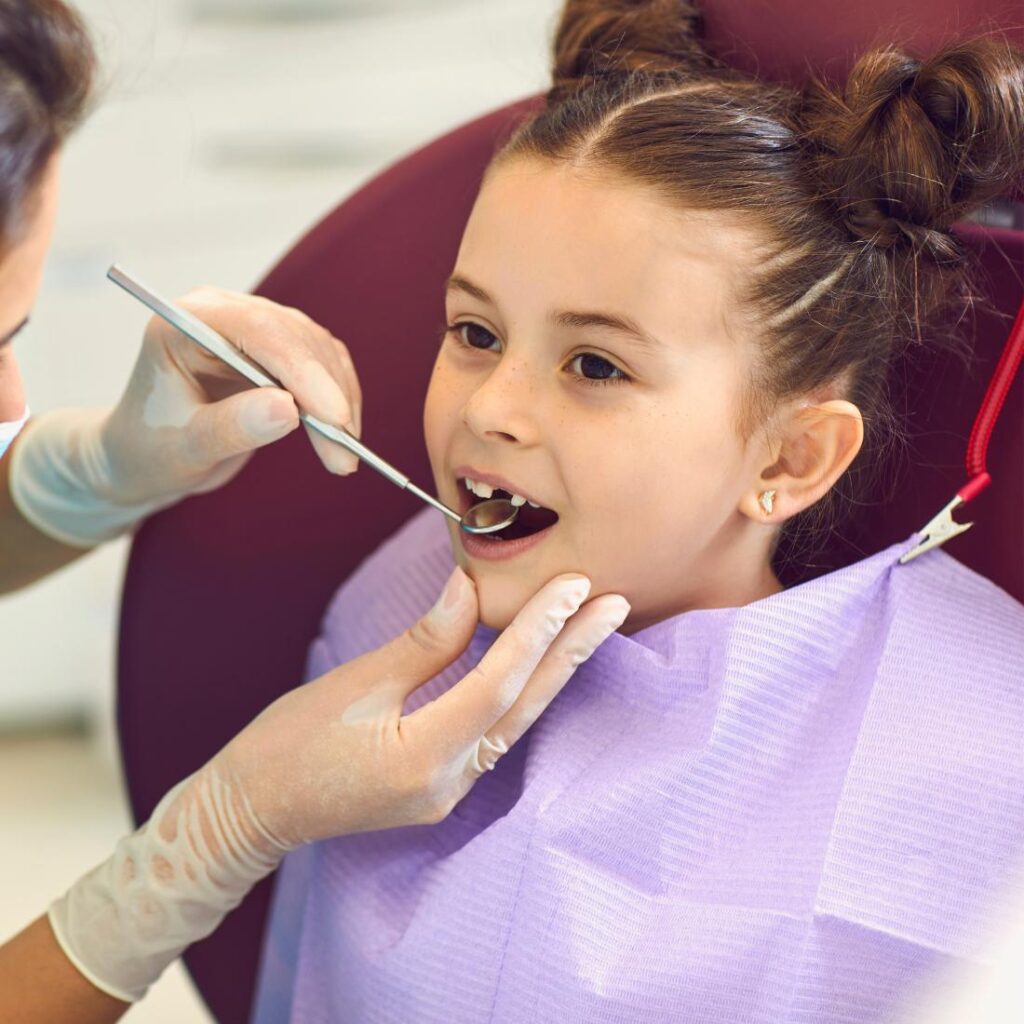
When you think of a dental office, you probably picture a hygienist cleaning teeth, or a dentist pulling wisdom teeth. Rarely do patients consider the person who ensures they sleep safely and comfortably through the procedure: the mobile dental anesthesiologist. At Dental Sedation Services (Dentsed.com), the anesthesiologist’s role is central — yet often invisible. Today, we invite you behind the scenes for a glimpse into a typical day in their life.
Early Morning: Preparation & Planning
The day begins long before the first patient arrives. A mobile dental anesthesiologist is not merely a “bring-your-own-drug” practitioner. Rather, they carry a full complement of hospital-grade anesthesia equipment, monitors, emergency supplies, and medications — effectively transforming a regular dental office into an OR-level suite.
On the drive to the dental office, the anesthesiologist reviews each patient’s chart — medical history, prior anesthesia experiences, allergies, and planned dental procedures. This pre-operative assessment helps decide which sedation technique is safest and most appropriate. Because every patient is different — from anxious children and special-needs individuals to adults with dental phobia or complex treatment plans — sedation must be customized accordingly.
First Patient: Pre-Op and Induction
When the first patient arrives, the anesthesiologist begins with pre-operative checks: confirming identity, running through medical history once again, and explaining what will happen. This helps ease nerves and ensures informed consent.
Next comes induction. Depending on the plan — inhalation sedation, IV sedation, or full general anesthesia — the anesthesiologist administers medication, secures the airway if needed (often via nasal intubation for oral surgeries), and monitors vital signs carefully.
Often the dental team handles the procedure — fillings, extractions, restorations, or oral surgery — while the anesthesiologist remains focused solely on sedation and patient safety. This division of labor is key: when each professional concentrates on their specialty, outcomes are safer and more efficient.
 Midday: Monitoring, Adjustments, and Efficiency
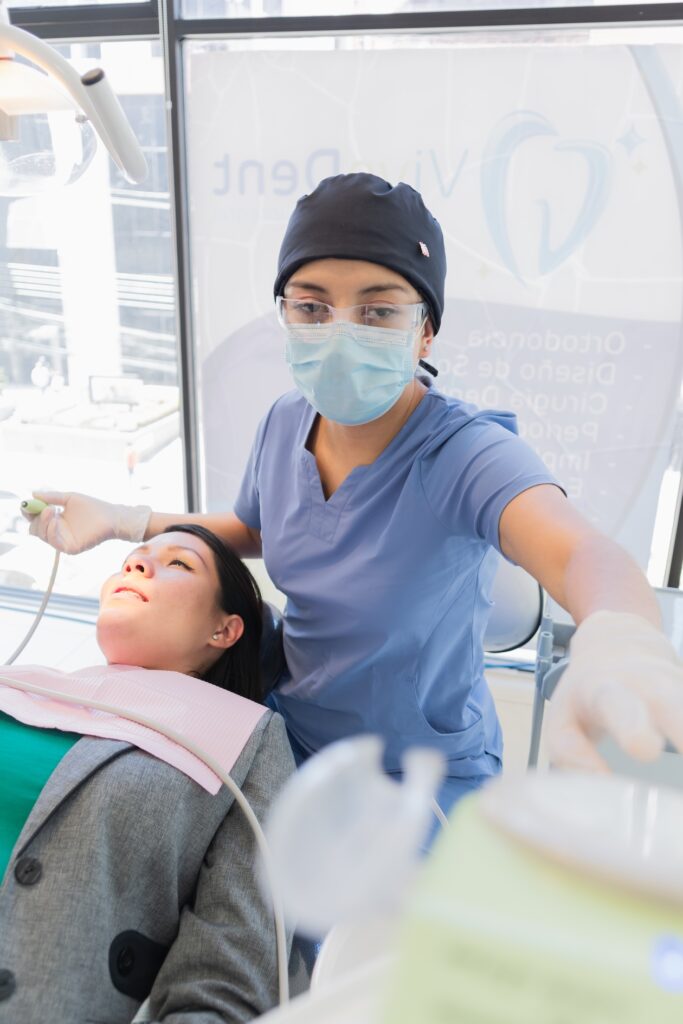
Throughout the procedure, the anesthesiologist continuously monitors oxygen levels, heart rate, blood pressure, carbon dioxide levels, anesthesia gas concentration — just like in a hospital operating room.
If the procedure is lengthy, or if the patient’s physiology changes (for example, blood pressure dips or breathing becomes shallow), the anesthesiologist adjusts medication, ventilation, or positioning — fine-tuning sedation to ensure both safety and comfort.
Because the service is mobile — equipment brought from outside — efficiency matters. That means setting up carefully, collaborating with the dental team, and sometimes helping the office workflow run smoothly: perhaps back-to-back procedures, or coordinating with dental assistants and hygienists.
Post-Op Care: Waking Up & Recovery
Once the dental work is done, the anesthesiologist begins the recovery phase: discontinuing anesthetic agents, ensuring safe breathing, monitoring vital signs, and watching for any signs of complications. Only when the patient is stable and alert enough — and a responsible adult chaperone is present — does the team discharge the patient.
They’ll often give post-operative instructions, possibly recommend over-the-counter pain relief, and advise someone to stay with the patient until fully recovered. Because deep sedation or general anesthesia can impair coordination and alertness, driving or traveling alone is never allowed.
Between Patients: Clean-up, De-brief & Preparation
After one patient leaves, the anesthesiologist — sometimes with an assistant — sanitizes and restocks equipment, disposes of used materials, and ensures everything is ready for the next case. They may also debrief with the dentist or surgeon: did the anesthesia go smoothly? Were there any unexpected reactions? This constant evaluation helps improve future safety and care quality.
If there’s downtime, the anesthesiologist may review patient charts, plan for upcoming cases, or perform administrative tasks — but always ready to spring into action when the next patient arrives.
Why Mobile Anesthesiology Matters — and What It Means for Patients
Bringing specialized anesthesia to a dental office rather than referring patients to a hospital offers unique advantages. Patients who might otherwise avoid care — children with severe dental anxiety, special-needs individuals, or adults with strong phobia — can receive comprehensive treatment in a more comfortable, familiar environment.
For dentists, partnering with a mobile anesthesiologist expands their scope: they can offer more complex procedures without investing in expensive equipment themselves. The collaboration frees the dentist to focus purely on dental work while the anesthesiologist handles everything related to sedation and safety.
For providers such as Dental Sedation Services, this model represents a commitment to safety, comfort, and accessibility — bringing hospital-level anesthesia care to everyday dental practices.
A Unique Blend of Skills & Commitment
A mobile dental anesthesiologist wears many hats. They’re dentists who underwent additional years of rigorous, hospital-based anesthesiology training — typically a 36-month residency after dental school.
That training covers not just dental sedation, but general medical knowledge — pharmacology, internal and emergency medicine, pediatric and adult anesthesiology. They learn advanced airway management techniques (nasal intubation, video laryngoscopy, ventilator-based anesthesia) and become experts in outpatient anesthesia for dental patients.
In short: when you are lying back in the dental chair, about to receive treatment, the mobile dental anesthesiologist is the quiet guardian of your comfort and safety — orchestrating everything from medications to monitors to vital signs, while dental instruments do their part.
Dental Sedation Services | Serving NJ & PA
At Dental Sedation Services, we’re proud to partner with highly trained, compassionate anesthesiologists who make dental care possible — even for patients who would otherwise find treatment anxiety-inducing or inaccessible. The next time you walk into a dental office and see “Sedation Dentistry” on the sign, now you know: behind that door is a day in the life of a mobile dental anesthesiologist, working diligently so you don’t have to fear the chair.
We hope this “behind the scenes” look gives you a deeper appreciation for the people and processes that make safe, comfortable dental care possible.
Other Posts:
How Sedation Dentistry Supports Patients with PTSD or Trauma Histories
Pediatric Sedation Dentistry: How It Makes Dental Visits Easier for Kids
Sedation Options for Special Needs Patients: Gentle Care That Makes a Difference