
Dental anxiety and fear are common. But for many patients, especially those with underlying medical conditions like heart disease, diabetes, or respiratory issues, the idea of a dental visit can bring worry not just about discomfort, but about safety. At Dental Sedation Services, our goal is to make dental care not only comfortable but medically safe for every patient, including those with complex health histories. With hospital‑grade anesthesia delivered right in your dental office, we combine comfort with a medical approach tailored to your needs.
Why Medical Conditions Change the Sedation Conversation
Before we talk about sedation options, it’s important to understand why your health history matters so much. Sedation involves medications that affect your brain, heart, lungs, and metabolic systems. For most people, sedation is safe when administered by a trained professional; but when someone has a medical condition, additional precautions and planning are essential.
Medical conditions such as:
-
Heart disease (including hypertension and arrhythmias)
-
Diabetes
-
Respiratory conditions like asthma or COPD
-
Sleep apnea
-
Kidney or liver disease
can all influence how your body responds to sedative medications and how your recovery proceeds. For example, sedation can lower blood pressure or slow breathing, which is usually safe but must be monitored closely in individuals with cardiovascular or respiratory issues.
 Personalized Pre‑Procedure Assessment
At Dental Sedation Services, safety starts long before you enter the dental chair. During the initial consultation, we collect detailed information about your health history, medications, allergies, and previous experiences with anesthesia. A medical clearance from your primary care doctor might be recommended so we can coordinate care and minimize risk.
This process isn’t just paperwork—it’s a customized risk assessment. For example:
-
Heart disease patients may need specific monitoring protocols or adjustments in sedation dosage because some sedatives can affect heart rate or blood pressure.
-
Patients with diabetes must have stable blood sugar levels before sedation. Sedative medications can sometimes affect appetite and awareness of blood sugar, so your care team will make a plan to monitor and manage any changes.
-
Respiratory conditions may require supplemental oxygen or limit the depth of sedation to avoid slowing breathing.
By reviewing your medical profile in depth, we can match the most appropriate sedation option with your health status and dental needs.
Sedation Options and Their Benefits
Dental sedation comes in different levels, from mild to deep, and each has a role depending on the procedure and your comfort level:
-
Minimal sedation keeps you relaxed but awake.
-
Moderate (conscious) sedation makes you drowsy and often eliminates memory of the procedure.
-
Deep sedation puts you near unconsciousness, but you can still be awakened.
-
General anesthesia induces full unconsciousness for complex or lengthy procedures.
The right choice depends on your health, anxiety level, and the complexity of the dental work. For medically complex patients, intravenous (IV) sedation may be preferred because it allows precise control over medication levels and can be adjusted in real time.
Advanced sedation isn’t just about comfort—it can also make dental care safer. Patients with high anxiety can experience elevated heart rates or blood pressure, which may be especially risky for those with cardiac issues. Proper sedation can keep these responses in check and allow the dentist to work efficiently and safely.
Continuous Monitoring and Emergency Readiness
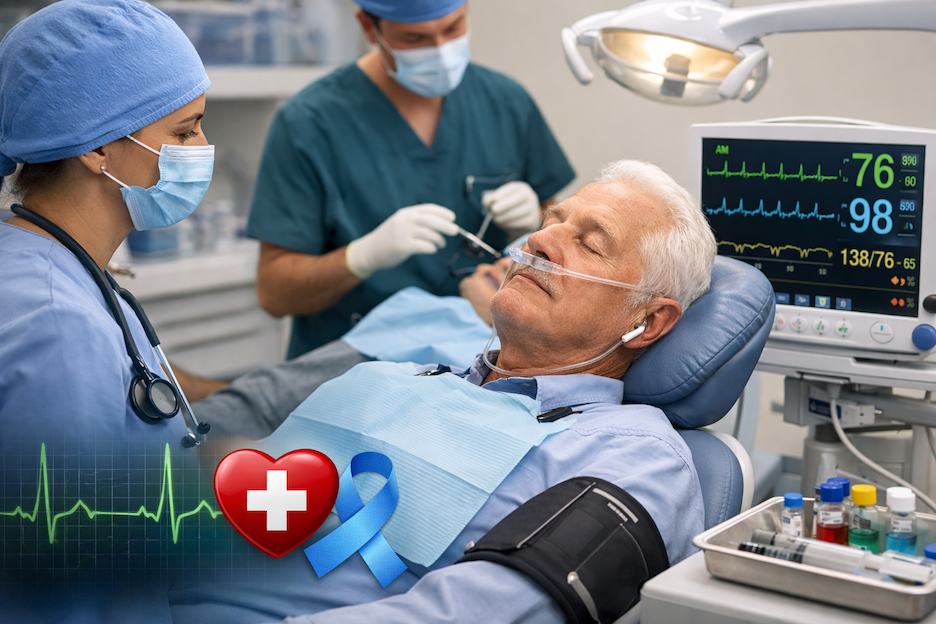
For patients with health concerns, monitoring becomes even more important. During your procedure:
-
Your heart rate, blood pressure, oxygen levels, and breathing are continuously observed.
-
Sedation specialists like those at Dental Sedation Services are board‑certified and trained in emergency protocols, ensuring rapid response if needed.
-
Our anesthesia team brings hospital‑grade equipment to the dental office so you benefit from OR‑level monitoring in a familiar setting.
Making Dental Care Accessible and Stress‑Free
For many patients with chronic illnesses, stress and fear of dental visits can lead to postponed care, which in turn can worsen overall oral and systemic health. Sedation dentistry opens the door to comprehensive treatment that might otherwise be avoided. Whether it’s restorative work, extractions, or periodontal treatment, sedation can help you get the care you need comfortably and safely.
If you have a medical condition like heart disease, diabetes, or another chronic health issue, dental sedation is not only possible—it can be tailored specifically to your circumstances. At Dental Sedation Services, we take a patient‑first approach that prioritizes safety, comfort, and individualized planning. By working with your healthcare providers and using advanced monitoring techniques, we ensure that sedation enhances your dental experience while respecting your health needs.