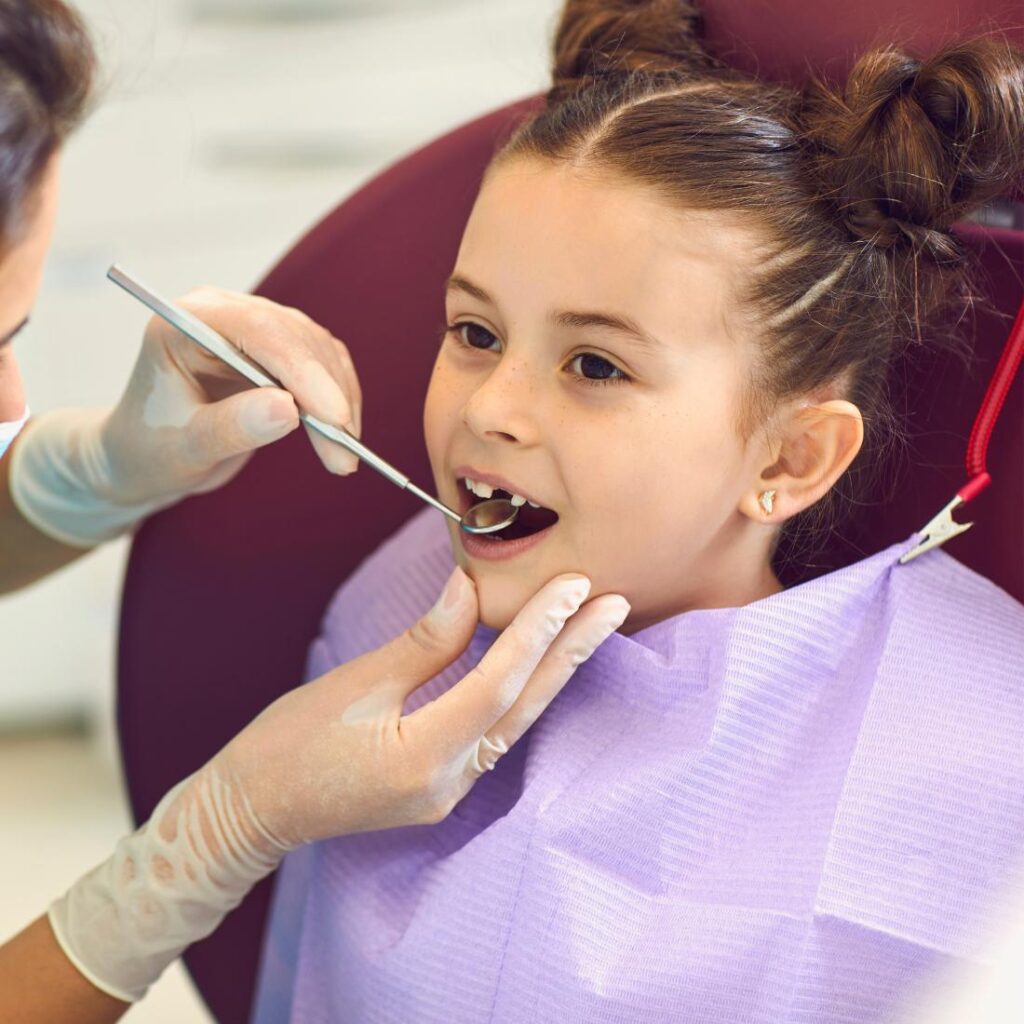
Dental emergencies often begin with problems that could have been addressed much earlier. A small cavity, cracked tooth, gum infection, or damaged filling may not seem urgent at first, but delaying treatment can allow the condition to worsen. For patients with dental anxiety or dental phobia, fear can make postponing appointments even more common. This is where sedation dentistry may play an important role.
Sedation dentistry is designed to help eligible patients feel calmer and more comfortable during dental treatment. While sedation does not directly prevent cavities, infections, or other dental conditions, it may help anxious patients receive routine and restorative care they might otherwise avoid. By making dental visits more manageable, sedation can support preventive care and early treatment, potentially reducing the chances of dental problems progressing to emergencies.
Why Dental Anxiety Can Cause Delayed Dental Treatment
Dental anxiety is a common reason people postpone or completely avoid dental appointments. Some patients may worry about pain, needles, dental instruments, or previous unpleasant experiences. Others may feel embarrassed about the condition of their teeth or fear discovering that they need extensive treatment.
When routine appointments are repeatedly delayed, minor dental problems can become more complicated. For example, an untreated cavity can progress deeper into a tooth, while a small crack may become larger and eventually cause significant pain or damage.
Common reasons patients avoid dental visits include:
- Fear of dental procedures
- Previous negative dental experiences
- Anxiety about injections or needles
- Fear of pain
- Strong gag reflex
- Embarrassment about oral health
- Fear of needing extensive treatment
- Difficulty staying relaxed during appointments
Addressing these concerns can make it easier for patients to establish a consistent dental care routine.
How Sedation Dentistry Supports Preventive Dental Care
Sedation dentistry can help reduce anxiety and improve patient comfort during appropriate dental procedures. Depending on the patient’s needs and the treatment being performed, a dental professional may recommend options such as nitrous oxide, oral sedation, or intravenous sedation.
For an anxious patient, simply knowing that there is a strategy for managing fear may make scheduling an appointment feel less overwhelming. When patients are comfortable enough to attend regular examinations, dentists have a better opportunity to identify problems while they are still manageable.
Sedation may help patients who previously avoided dental care become more willing to:
- Attend regular dental examinations
- Complete recommended treatments
- Return for follow-up appointments
- Address dental problems earlier
- Maintain better preventive-care habits
The key benefit is not that sedation eliminates dental disease. Rather, it can help remove anxiety-related barriers that prevent some patients from receiving necessary care.
Dental Problems That May Become Dental Emergencies
Many dental emergencies are associated with conditions that have been developing for some time. Not every untreated problem will become an emergency, but early evaluation and treatment can reduce the possibility of complications.
| Early Dental Problem | Possible Progression | Potential Emergency |
|---|---|---|
| Small cavity | Decay reaches deeper layers | Severe toothache or infection |
| Cracked tooth | Crack becomes larger | Broken tooth or intense pain |
| Damaged filling | Tooth becomes exposed | Sensitivity or further damage |
| Gum disease | Inflammation progresses | Swelling, bleeding, or advanced periodontal problems |
| Mild tooth pain | Underlying issue worsens | Persistent or severe pain |
| Dental trauma | Damage remains untreated | Further tooth deterioration |
Patients who experience dental anxiety may be more likely to ignore early warning signs. Sedation, when clinically appropriate, may make it easier for them to seek professional care before symptoms become more severe.
Sedation Options for Patients With Dental Anxiety
There is no single sedation method that is appropriate for every patient. A dentist evaluates factors such as anxiety level, medical history, procedure type, and overall health before recommending an approach.
Nitrous Oxide Sedation
Often called laughing gas, nitrous oxide is inhaled through a mask and can help patients feel relaxed during treatment. Patients generally remain conscious and responsive while experiencing a calmer state.
Oral Sedation
Oral sedation involves medication prescribed according to the dentist’s treatment plan. It may help patients with moderate dental anxiety feel significantly more relaxed during their appointment.
IV Sedation
Intravenous sedation allows medication to be administered through a vein and can provide a deeper level of relaxation. It may be considered for certain patients or more involved procedures.
The appropriate option depends on the individual patient. Sedation should always be provided by appropriately trained professionals using suitable monitoring and safety protocols.
Can Sedation Help Patients Complete Necessary Dental Treatment?
Consider a patient who has avoided the dentist for several years because of severe dental anxiety. During that time, several small dental issues may have developed. The thought of receiving multiple treatments can make the patient even more reluctant to schedule an appointment.
A carefully planned treatment approach that includes anxiety management and sedation when appropriate may make the process feel more manageable. Once the patient begins receiving care, the dentist can identify and address existing problems rather than allowing them to continue progressing.
Sedation can be particularly helpful as part of a broader strategy that includes communication, a comfortable environment, appropriate pain control, and a personalized treatment plan.
Sedation Is Only One Part of Preventing Dental Emergencies
Although sedation dentistry can help some anxious patients receive care, it should not be viewed as a standalone emergency-prevention solution. Good oral health depends on several consistent habits.
Patients can support their dental health by:
- Brushing twice daily with fluoride toothpaste
- Cleaning between teeth regularly
- Scheduling routine dental examinations
- Following recommended professional cleaning schedules
- Treating cavities promptly
- Reporting tooth sensitivity or pain early
- Addressing damaged or cracked teeth
- Following post-treatment instructions
- Wearing recommended protective mouthguards
- Discussing dental anxiety openly with their dentist
The combination of preventive dentistry and appropriate anxiety management can make regular dental care easier to maintain.
Is Sedation Dentistry Safe for Everyone?
Sedation can be safe and effective when the appropriate technique is selected and administered by a qualified dental professional. However, it is not suitable for everyone or every situation.
Before sedation, the dental team may review the patient’s medical history, medications, allergies, previous reactions to sedation, and planned procedure. Patients should provide accurate health information and follow all pre-treatment instructions.
It is also important to ask questions before treatment. Patients can ask what type of sedation is being recommended, why it is appropriate, what monitoring will be used, and what they should expect before and after the appointment.
When Should You Seek Emergency Dental Care?
Sedation dentistry should never be considered a replacement for emergency dental treatment. If a serious dental problem has already developed, delaying care because of anxiety can make the situation worse.
Seek prompt professional attention for symptoms such as severe or persistent tooth pain, significant swelling, uncontrolled bleeding, serious dental trauma, or a knocked-out tooth. Difficulty breathing or swallowing can indicate a potentially serious situation requiring immediate attention.
For anxious patients, informing the dental team about their fear can help the provider develop an appropriate approach to make necessary treatment more comfortable.
Building a Dental Routine That Reduces Emergency Risks
The best way to reduce avoidable dental emergencies is to address oral health concerns before they become severe. For patients with dental anxiety, creating a comfortable and supportive treatment experience can be an important part of that process.
Start by scheduling regular examinations and explaining any fears or previous negative experiences to the dental team. If anxiety makes treatment difficult, ask whether sedation or other comfort techniques may be appropriate. Address diagnosed problems promptly and continue good oral hygiene at home.
Sedation dentistry does not guarantee that a patient will never experience a dental emergency. However, for people whose anxiety prevents them from receiving routine or necessary treatment, it may help make dental care more approachable.
Final Thoughts
Dental anxiety can create a cycle in which fear leads to delayed appointments, delayed appointments allow dental problems to progress, and worsening problems make future treatment even more intimidating. Sedation dentistry can help break part of that cycle for appropriately selected patients by making dental procedures more comfortable and manageable. When combined with regular checkups, good oral hygiene, early treatment, and professional preventive care, sedation may help anxious patients stay engaged with their oral health.