When your patients are looking for a truly calm, comfortable dental experience, the team at Dental Sedation Services has more tools than ever to deliver it. Thanks to technological advances in monitoring, sedation delivery, digital diagnostics, and patient communication, sedation dentistry today is safer, more precise, and more comfortable than ever before.
1. Smarter Monitoring = Enhanced Safety
One of the biggest leaps forward in sedation dentistry has come from improvements in monitoring technology. Modern systems allow clinicians to track vital signs, oxygen and carbon-dioxide levels, heart rate, and other key indicators in real-time during a procedure.
For example:
-
Continuous pulse oximetry and capnography help detect even subtle changes in breathing or oxygenation.
-
Digital infusion pumps and smarter sedation delivery can adjust dosage precisely based on patient response.
-
Electronic records and integrated patient-history tools mean the team can make well-informed decisions about sedation levels and risk factors (allergies, medications, etc.).
For Dental Sedation Services, this means that whether your patient is undergoing a relatively minor procedure under moderate sedation or a longer visit under IV sedation, you have the confidence that the safety net is stronger than ever.
2. More Personalized Sedation Plans
Gone are the days of a one-size-fits-all sedation approach. With more data and better technology, sedation can now be tailored to the individual. Recent advances include:
-
Using patient history, body composition, anxiety level and medical status to develop a customized plan for sedation type and dosage.
-
The emergence of AI and digital tools to assist in predicting how a patient may respond to sedation, helping ensure smoother onset and recovery.
-
New forms of oral and inhalation sedation that act faster, wear off sooner, and allow shorter recovery times — ideal for patients who want minimal downtime.
By applying this level of personalization, Dental Sedation Services can help anxious or special-care patients feel far more in control — and far more at ease.
 3. Digital and Minimally Invasive Tools that Complement Sedation
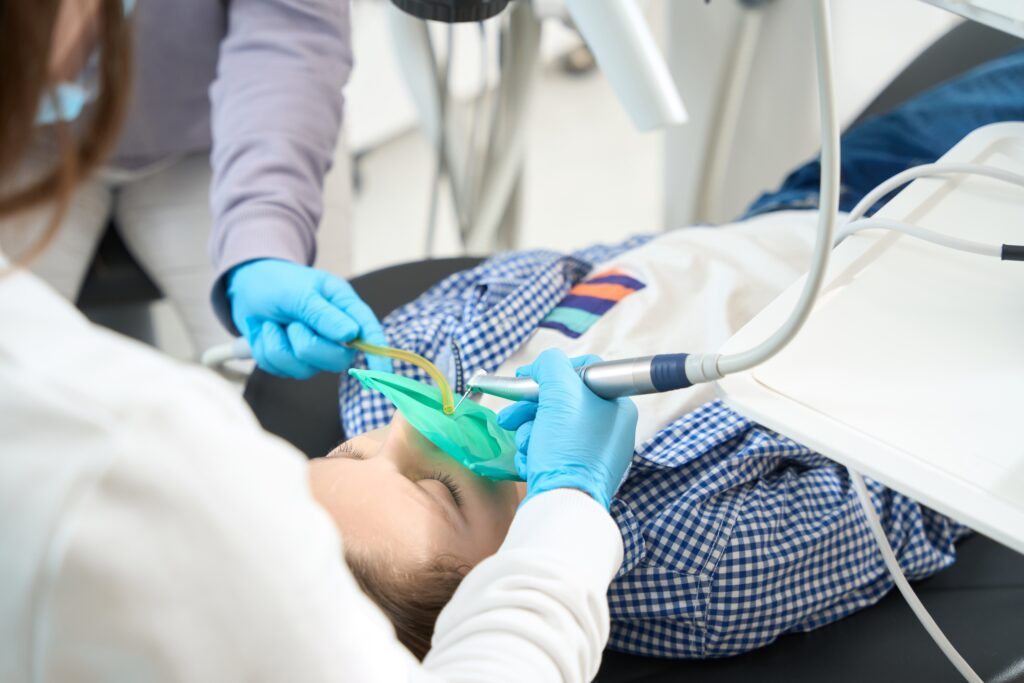
Technology doesn’t only affect sedation—it also impacts how the dental work itself is done, which leads to improved comfort for the patient from start to finish. Some examples:
-
Laser dentistry and minimally invasive techniques reduce bleeding, tissue trauma and recovery time.
-
Digital diagnostics (intraoral cameras, 3D imaging, CBCT) enable precise treatment planning and less surprise during the procedure.
-
When treatments are efficient and predictable, sedation becomes smoother — less “waiting around,” less variation in procedure time, fewer surprises.
For patients of Dental Sedation Services, this means the sedation experience isn’t just about being asleep or relaxed—it’s part of a streamlined, comfortable treatment journey.
4. Better Patient Experience & Reduced Anxiety
Technology plays a huge role in reducing what many patients fear most: the unknown. When patients know what to expect, and when the experience is visually and physically comfortable, the overall anxiety drops significantly. Some ways this happens:
-
Pre-procedure virtual or digital consultations that explain the plan, sedation process, and recovery in detail.
-
Comfortable, tech-enhanced treatment environments (noise-reducing tools, modern sedation monitoring equipment, comfortable dental chairs) that boost confidence.
-
Quicker recovery thanks to modern sedatives and precise monitoring, so patients feel back to normal sooner and with less grogginess.
When you highlight these benefits on your site for Dental Sedation Services (dentsed.com), you’re speaking directly to what matters most: safety, comfort and peace of mind.
5. Putting It All Together for Dental Sedation Services
Here’s how to integrate these technology-driven advantages into your messaging:
-
Lead with reassurance: “At Dental Sedation Services we use the most advanced monitoring systems available to ensure your safety throughout your treatment.”
-
Explain personalization: Emphasize how you tailor sedation plans to each patient’s unique needs—medical history, anxiety level, procedure type.
-
Highlight comfort-enhancing tools: You don’t just offer sedation—you offer a modern, relaxing environment, efficient treatment, minimal downtime.
-
Address recovery: Point out that newer sedative protocols and digital monitoring allow faster recovery, fewer side effects, and a smoother overall experience.
-
Focus on patient trust: Use testimonials, before/after visuals (if applicable), and digital consultation options to help anxious patients feel heard and supported.
Thanks to advancements in monitoring, personalization, digital tools, and patient-focused technology, sedation dentistry is no longer “just about being asleep.” It’s about creating a comfortable, predictable, safe, and anxiety-free experience. For a practice like Dental Sedation Services, that means you’re not only offering sedation—you’re offering a next-level experience where patients can finally relax, get the care they need, and walk out confident and comfortable.
Other Posts:
How Sedation Dentistry Supports Patients with PTSD or Trauma Histories
Why IV Sedation Is the Ultimate Game-Changer for Complex Dental Procedures
How Dental Sedation Helps People with Gag Reflexes
Mobile Anesthesia Magic: Bringing Comfort to Dental Offices Across New Jersey