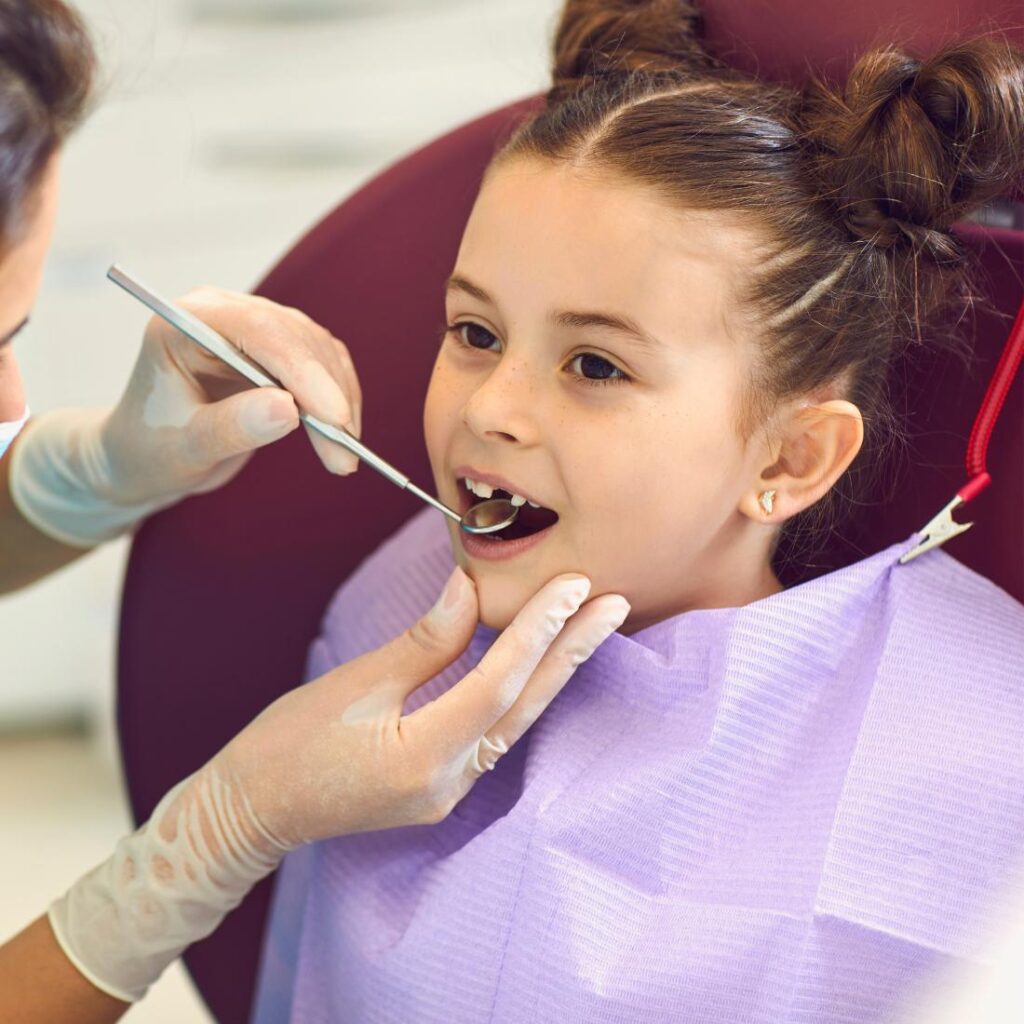
Preparing your child for a dental visit can feel overwhelming—especially when sedation is involved. Many parents worry about safety, comfort, and how their child will react. The good news? Sedation dentistry for children is a safe, effective way to ensure a stress-free experience when handled properly. With the right preparation, you can turn anxiety into calm confidence and make the appointment smooth for both you and your child.
What Is Sedation Dentistry for Children?
Sedation dentistry involves using medication to help children relax during dental procedures. It’s commonly recommended for kids who experience dental anxiety, have difficulty sitting still, or require extensive treatment. Unlike general anesthesia in all cases, some forms of pediatric sedation keep your child awake but calm and comfortable. The goal is simple: reduce fear, minimize discomfort, and create a positive dental experience early in life.
Types of Sedation Used in Pediatric Dentistry
- Nitrous Oxide (Laughing Gas): A mild sedative inhaled through a mask that helps children relax quickly and wears off fast.
- Oral Sedation: Medication taken by mouth that makes the child drowsy but still responsive.
- IV Sedation: Administered through a vein for deeper relaxation, typically used for longer procedures.
- General Anesthesia: The child is fully asleep, often used for complex treatments or very young children.
Each option is selected based on the child’s age, medical history, and the complexity of the procedure.
When Does a Child Need Sedation Dentistry?
Sedation dentistry isn’t always necessary, but it can be a game-changer in certain situations. If your child struggles with dental visits, sedation may be recommended to ensure proper treatment without trauma.
Common scenarios include:
- Severe dental anxiety or fear
- Special healthcare needs or sensory sensitivities
- Extensive dental procedures requiring long sessions
- Low pain tolerance or difficulty staying still
In these cases, sedation dentistry becomes more than a convenience—it becomes essential for effective care.
How to Talk to Your Child About Sedation Dentistry
Communication plays a powerful role in shaping your child’s experience. The way you introduce the idea of sedation can either reduce fear or amplify it.
Use Positive Language
Focus on comfort and relaxation. Say things like, “The dentist will help you feel calm and sleepy.”
Avoid Scary Words
Skip words like “pain,” “needle,” or “surgery.” These can trigger unnecessary anxiety.
Explain What They’ll Feel
Describe sensations in a friendly way: “You might feel a little sleepy or floaty.”
Reassure Safety
Let your child know that trained professionals will be there the entire time to keep them safe.
Pre-Appointment Preparation Checklist for Parents
Preparation is the foundation of a successful sedation dentistry visit. Follow this checklist to avoid last-minute stress:
- Follow all fasting instructions provided by the dentist
- Share your child’s full medical history, including allergies
- Dress your child in loose, comfortable clothing
- Bring a favorite toy, blanket, or comfort item
- Plan for rest time after the appointment
These simple steps can significantly improve your child’s overall experience and recovery.
What to Expect on the Day of the Appointment
Understanding the process helps eliminate uncertainty and builds confidence.
Arrival and Initial Check
The dental team will review your child’s health and ensure everything is ready for sedation.
Administering Sedation
Depending on the type, sedation may be inhaled, taken orally, or given intravenously.
During the Procedure
Your child will remain calm and relaxed while the dentist completes the treatment efficiently.
Recovery Phase
After the procedure, your child will be monitored until the sedation wears off. You’ll receive post-care instructions before heading home.
Post-Sedation Care: Helping Your Child Recover Smoothly
Recovery is just as important as preparation. Proper aftercare ensures your child returns to normal quickly and comfortably.
- Keep a close eye on your child for the first few hours
- Offer soft foods like yogurt, soup, or mashed potatoes
- Encourage plenty of rest and avoid physical activity
- Watch for mild side effects like drowsiness or slight nausea
Most children recover fully within a few hours, especially with lighter forms of sedation.
Safety of Sedation Dentistry for Kids: What Parents Should Know
Parents often ask: Is sedation dentistry safe for children? The answer is yes—when performed by qualified professionals. Pediatric dentists are specially trained to administer sedation and monitor vital signs throughout the procedure. Modern technology and strict guidelines further enhance safety.
Here’s a quick comparison of sedation types and safety levels:
| Sedation Type | Level of Consciousness | Best For | Safety Level |
|---|---|---|---|
| Nitrous Oxide | Awake & Relaxed | Mild anxiety, short procedures | Very High |
| Oral Sedation | Drowsy but Awake | Moderate anxiety | High |
| IV Sedation | Deep Relaxation | Longer or complex procedures | High |
| General Anesthesia | Fully Asleep | Extensive or surgical treatments | Very High (monitored) |
With proper screening and professional care, risks are minimal and benefits are significant.
Common Mistakes Parents Should Avoid
Avoiding these common errors can make a huge difference:
- Not following pre-appointment fasting rules
- Feeding your child before sedation
- Showing your own anxiety in front of your child
- Ignoring post-care instructions
- Skipping communication with the dentist
Being proactive and informed helps prevent complications and ensures a smooth experience.
Final Thoughts: Making Sedation Dentistry Stress-Free for Your Child
Sedation dentistry doesn’t have to be intimidating. With the right preparation, clear communication, and a trusted pediatric dentist, your child can have a calm and comfortable experience. In fact, many children leave with little to no memory of the procedure—reducing future dental anxiety significantly.
If your child struggles with dental visits, now is the time to explore sedation options. Consult with a qualified pediatric dentist, ask questions, and take the first step toward stress-free dental care. A little preparation today can lead to a lifetime of confident, healthy smiles.