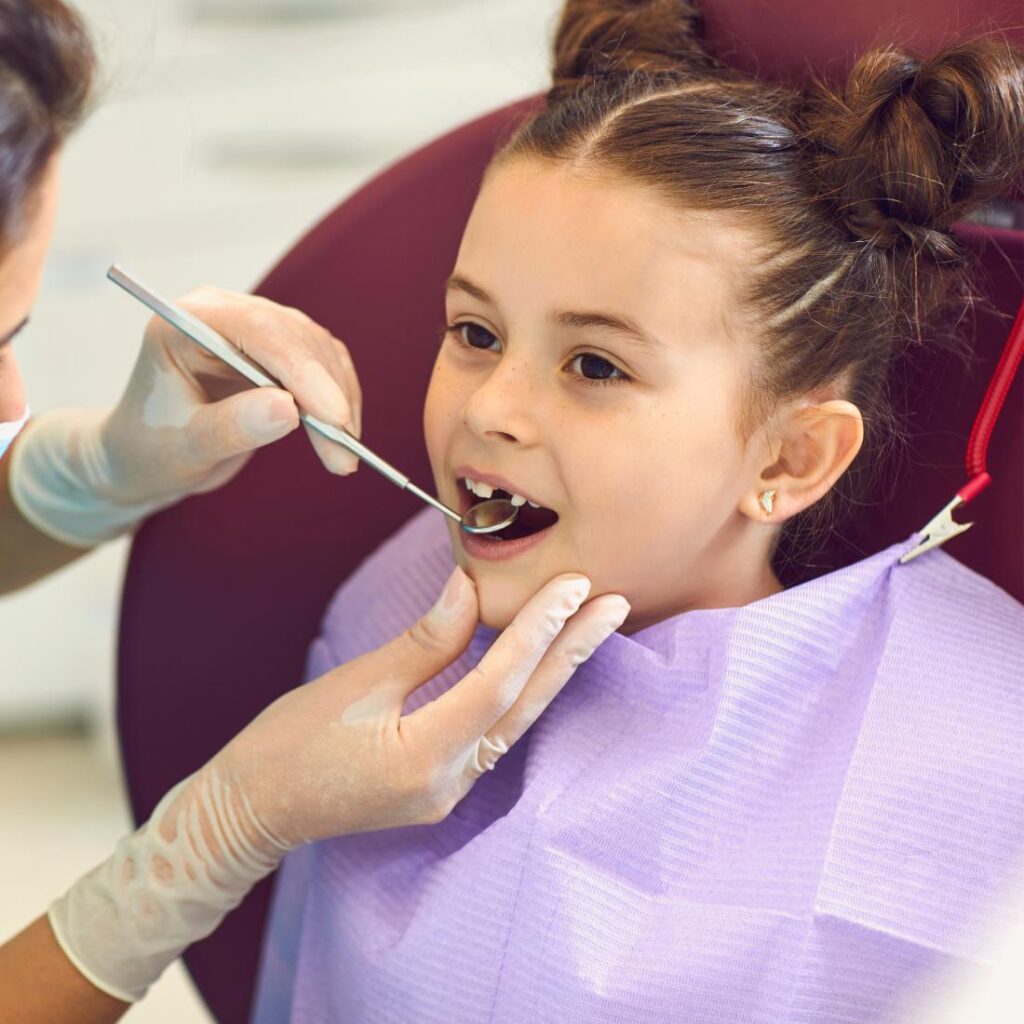
Dental fear is often seen as a childhood hurdle. However, many adults continue to experience it well into their 50s and beyond. In fact, dental anxiety among older adults can be a widespread and deeply rooted clinical challenge. For mature adults, fear in the dental chair is rarely caused by a simple concern about a minor sting. Instead, it may develop from years of medical experiences, changing physical needs, and evolving health conditions.
Moreover, these concerns can become stronger over time. As a result, some adults may delay or avoid necessary dental care. Unfortunately, this can affect more than just their smile. In addition, untreated dental problems can influence overall well-being. They may affect cardiovascular health, nutrition, and daily comfort. Therefore, addressing dental fear is an important step toward better oral and systemic health. Fortunately, modern dentistry offers more comfortable and compassionate treatment options. By understanding today’s common triggers, adults can feel more confident and comfortable during dental visits.
Dental Anxiety vs. Dental Phobia: What Older Adults Need to Know
While frequently used interchangeably, clinical anxiety and phobia represent distinct levels of psychological distress. Recognizing where your discomfort falls on this spectrum helps clarify the level of support required to make care accessible again.
| Metric / Dimension | Routine Dental Anxiety | Severe Dental Phobia (Odontophobia) |
| Primary Trigger | Anticipated discomfort, sharp instruments, or loud drills | The entire clinical setting, smells, sounds, or scheduling a visit |
| Physical Symptoms | Mild restlessness, elevated pulse, sweaty palms | Acute panic attacks, hyperventilation, fainting, or nausea |
| Impact on Treatment | Attends visits with hesitation; often postpones elective care | Complete, multi-year avoidance until pain becomes unbearable |
| Prevalence (Ages 50+) | Affects roughly 15% to 20% of older adults | Observed in approximately 3% to 5% of mature demographics |
| Clinical Management | Patient-led pacing, breathing exercises, light nitrous oxide | Oral or IV conscious sedation, specialized behavioral therapy |
Why Dental Fear Manifests Differently After 50
Anxiety in mature demographics possesses unique etiologies that younger populations rarely navigate:
-
Historical Procedural Memory: Many individuals born in the mid-20th century received their formative dental care prior to the widespread adoption of refined topical anesthetics, ultra-fine needles, and ergonomic high-speed drills. These traumatic sensory memories can persist for decades.
-
Loss of Autonomy and Vulnerability: The supine position (reclining fully backward) can trigger sensations of defenselessness, dizziness, or airway obstruction, particularly for patients managing spinal stiffness, vertigo, or breathing difficulties.
-
Fear of Clinical Judgment: Decades of enamel wear, periodontal tissue loss, or broken dental work frequently generate profound self-consciousness. Patients worry that a provider will scold them for past lapses in routine maintenance.
-
Sensory Sensitivity to Noise and Vibration: Older nervous systems often register bone-conducted vibrations from ultrasonic scalers and drills more acutely, creating visceral sensory overload.
Medical Complexities: How Aging Amplifies Treatment Concerns
General health profiles evolve considerably past the age of 50. As chronic diagnoses emerge, the dental operatory transforms from a simple site of tooth care into an environment where patients actively worry about medical complications.
Polypharmacy and Systemic Preoccupations
Adults taking anticoagulants, antihypertensive medications, or bisphosphonates for bone density often carry legitimate apprehensions regarding bleeding risks, cardiovascular strain, or drug interactions. Many fear that local anesthetics containing vasoconstrictors like epinephrine will induce palpitations or spike their blood pressure, causing them to postpone necessary evaluations.
Xerostomia (Dry Mouth) and Heightened Sensitivity
Decreased salivary flow—whether caused by prescription medications, autoimmune conditions, or natural gland atrophy—deprives teeth of their natural mineral-rich protective shield. This exacerbates rapid root decay and tooth sensitivity, meaning standard cleanings that were comfortable a decade ago can become noticeably sharp or tender, amplifying procedural trepidation.
The Vicious Cycle: How Avoidance Destroys Oral & Systemic Health
Dental avoidance follows a predictable, escalating cycle that compounds psychological distress alongside physical pathology:
-
The Anxiety Trigger: Apprehension prompts an individual to skip an annual cleaning or ignore initial signs of gum irritation.
-
Silent Degradation: Undetected gingivitis steadily evolves into irreversible periodontitis, bone loss, or structural decay under existing restorations.
-
Emergency Breakdown: A catastrophic tooth failure, cracked root, or painful abscess strikes, rendering an urgent, invasive appointment unavoidable.
-
Trauma Confirmation: Experiencing an invasive emergency procedure under acute duress reinforces the initial dread, cementing further avoidance patterns.
Recognizing the Physical and Emotional Red Flags
Dental distress manifests across physical, behavioral, and emotional pathways long before an individual ever arrives at an office:
-
Physiological Indicators: Sleep disruption the evening prior to an appointment, sudden gastrointestinal discomfort, muscle tension across the neck and shoulders, and blood pressure spikes in the waiting room.
-
Behavioral Adaptations: Repeatedly rescheduling preventative maintenance, relying on over-the-counter analgesics to mask persistent tooth pain, or masking fear through nervous humor and minimization.
-
Psychological Distress: Pervasive dread regarding loss of function, fear of needing complete dentures, or embarrassment surrounding the cosmetic appearance of aging restorations.
Modern Comfort: How Sedation Dentistry Protects Mature Adults
Modern restorative and preventive care has evolved far beyond the rigid protocols of decades past. Safe, customized sedation protocols now allow patients to receive comprehensive oral care without physical or mental distress.
Inhaled Minimal Sedation (Nitrous Oxide)
Frequently referred to as laughing gas, nitrous oxide offers rapid onset and rapid clearance. It provides an immediate sense of warmth and calm relaxation, allowing patients to remain conscious and responsive. Because it leaves the bloodstream within minutes of breathing pure oxygen, patients can safely drive themselves to and from the appointment.
Oral Conscious Sedation
For moderate to severe apprehension, dentists can prescribe an oral sedative from the benzodiazepine class to be taken prior to the appointment. This produces a state of deep, peaceful relaxation where the patient can still respond to verbal prompts, yet experiences minimal awareness of time passing and little recollection of the procedure.
Ambient and Ergonomic Adaptations
-
Noise-canceling headphones to mask drill acoustics.
-
Contoured neck supports, lumbar pillows, and weighted blankets to relieve arthritic discomfort while seated.
-
Pre-procedural topical numbing gels formulated to eliminate the sensation of needle entry entirely.
Empowering the Patient: Actionable Steps to Regain Control
Rebuilding confidence in dental care relies on establishing open boundaries and predictable pacing:
-
Schedule a Consultation-Only Appointment: Request an initial meeting in a private consultation office rather than the clinical operatory chair. This allows you to discuss medical history, past negative experiences, and anxieties without clinical instruments present.
-
Establish a Non-Verbal Stop Signal: Agree on an explicit gesture—such as raising your left hand—that immediately pauses all work, granting you instant control over the appointment’s pace.
-
Choose Morning Time Slots: Schedule appointments early in the morning so you spend less time dwelling on anticipatory stress during the day.
-
Practice Regulated Breathing: Utilize rhythmic diaphragmatic breathing (inhaling for a count of four, holding for four, and exhaling for four) while in the chair to calm the parasympathetic nervous system and lower elevated heart rates.
Questions Every Patient Over 50 Should Ask Their Dental Team
Open dialogue breaks down lingering apprehension. Consider asking these questions during your next evaluation:
-
“Can we consult with my primary care physician to coordinate my blood pressure or anticoagulant medications before treatment?”
-
“What physical accommodations do you offer for back or neck stiffness in your chairs?”
-
“Is it possible to break longer procedures into multiple shorter appointments to make them easier to tolerate?”
-
“Can we outline a step-by-step hand signal to pause if I need a break during cleanings?”
The Role of Families and Caregivers in Gentle Dental Support
When dental apprehension leads to chronic self-neglect, family members and designated caregivers can serve as empathetic bridges to professional care. True support does not involve brushing off anxieties with dismissive statements like “it’s just a cleaning.”
Instead, productive caregiving means acknowledging the legitimacy of past trauma, handling scheduling logistics, providing transportation to relieve travel stress, and ensuring the clinical team receives an accurate, up-to-date medication list. Clear, compassionate advocacy helps an older adult feel respected rather than managed.
Reclaiming Confidence and Oral Longevity
Age should never be a barrier to comfortable, comprehensive oral health care. While memories of outdated practices can linger, modern dentistry places a paramount emphasis on patient autonomy, gentle pharmacotherapy, and pain management. Communicating your personal boundaries to an empathetic, communicative dental team transforms the clinical experience from a source of dread into a routine, comfortable partnership focused on health, nutrition, and lifelong quality of life.