For many people, visiting the dentist is a routine part of maintaining good oral health. However, for others, the thought of sitting in a dental chair can trigger intense fear, anxiety, or discomfort. While traditional dental treatment is effective for most routine procedures, it may not be the best option for everyone. In situations where anxiety, complex procedures, or physical challenges make treatment difficult, sedation dentistry can provide a more comfortable and stress-free experience.
Understanding Sedation Dentistry
Sedation dentistry is a specialized approach that uses medication to help patients feel calm and relaxed during dental procedures. Unlike general anesthesia, most forms of dental sedation allow patients to remain awake while feeling deeply at ease. This makes it easier for both the patient and the dentist to complete treatment comfortably and efficiently.
What Is Sedation Dentistry?
Sedation dentistry involves administering carefully controlled medications before or during dental treatment to reduce anxiety, minimize discomfort, and create a more positive experience. Depending on the type of sedation used, patients may feel relaxed, drowsy, or have little memory of the procedure afterward. Dentists customize the sedation method based on the patient’s health, anxiety level, and treatment needs.
How Sedation Differs from General Anesthesia
Many people confuse sedation dentistry with general anesthesia, but they are not the same. General anesthesia renders a patient completely unconscious and is typically reserved for major surgical procedures. Sedation dentistry, on the other hand, keeps patients conscious in most cases, allowing them to respond to instructions while remaining calm and comfortable. Because of this, recovery is generally quicker, and the risks are significantly lower for eligible patients.
Common Types of Dental Sedation
Several sedation options are available, each designed for different levels of anxiety and treatment complexity.
- Nitrous Oxide (Laughing Gas): A mild form of sedation inhaled through a mask that helps patients relax while remaining fully awake.
- Oral Sedation: Prescription medication taken before the appointment to reduce anxiety and promote relaxation.
- IV Sedation: Medication delivered directly into the bloodstream for deeper, fast-acting sedation during lengthy or complex procedures.
- General Anesthesia: Used only in specific cases where complete unconsciousness is necessary, usually for extensive oral surgery or special medical circumstances.
Signs You Should Consider Sedation Instead of Traditional Dental Treatment
Not everyone requires sedation dentistry, but certain situations make it an excellent option. Recognizing these signs can help you determine whether sedation may improve your dental experience.
Severe Dental Anxiety or Dental Phobia
If you experience overwhelming fear before or during dental appointments, sedation dentistry can help you receive necessary care without emotional distress. Many patients who avoid the dentist for years because of anxiety find that sedation allows them to return confidently for treatment.
Previous Traumatic Dental Experiences
Negative experiences from past dental visits can create long-lasting fear and hesitation. Sedation helps patients overcome these emotional barriers by creating a calm, relaxed environment that makes new appointments much more manageable.
Extremely Sensitive Teeth
People with highly sensitive teeth often struggle to tolerate even routine procedures such as cleanings or fillings. Sedation reduces stress and discomfort, making treatment significantly easier and more comfortable.
Strong Gag Reflex
A sensitive gag reflex can interfere with dental procedures and make treatment difficult for both the patient and the dentist. Sedation relaxes the body and helps minimize involuntary gagging, allowing procedures to be completed more efficiently.
Fear of Needles or Dental Instruments
Some patients experience intense anxiety simply from seeing dental equipment or injections. Sedation helps reduce awareness of these triggers, allowing treatment to proceed with far less stress.
Dental Procedures That Often Benefit from Sedation
Although sedation can be used for many dental treatments, it is especially beneficial during procedures that are lengthy, complex, or associated with increased patient anxiety.
Wisdom Tooth Extraction
Wisdom tooth removal is one of the most common procedures performed under sedation. Since extractions can involve pressure, noise, and lengthy treatment times, sedation helps patients remain calm and comfortable from beginning to end.
Dental Implant Surgery
Receiving one or multiple dental implants requires precision and may take several hours depending on the case. Sedation minimizes anxiety, reduces movement during surgery, and creates a more pleasant overall experience.
Multiple Tooth Extractions
Patients requiring several teeth to be removed during one appointment often benefit from sedation because it reduces physical and emotional stress while allowing the dentist to complete treatment more efficiently.
Root Canal Treatment
Despite common misconceptions, modern root canals are generally comfortable procedures. However, patients with dental anxiety often choose sedation to remain relaxed throughout treatment and eliminate unnecessary fear.
Full Mouth Restoration
Comprehensive restorative treatments frequently involve multiple procedures completed over one or more lengthy appointments. Sedation helps patients tolerate these extended sessions comfortably while reducing overall treatment fatigue.
Periodontal Surgery
Gum surgery can be intimidating for many patients. Sedation allows dentists to perform delicate periodontal procedures while helping patients remain calm, comfortable, and cooperative throughout the treatment.
Who Is an Ideal Candidate for Sedation Dentistry?
Sedation dentistry is not necessary for every patient, but it can be life-changing for those who struggle with dental treatment. During your consultation, your dentist will review your medical history, discuss your concerns, and recommend the safest sedation option based on your individual needs. While sedation is suitable for many people, the final decision should always be made after a professional evaluation.
Adults with Dental Anxiety
Many adults avoid regular dental visits because of fear or anxiety. Whether the concern stems from previous negative experiences or general nervousness, sedation dentistry helps patients remain relaxed throughout the procedure. This allows them to receive essential dental care without the stress that often prevents them from scheduling appointments.
Children with Extreme Fear
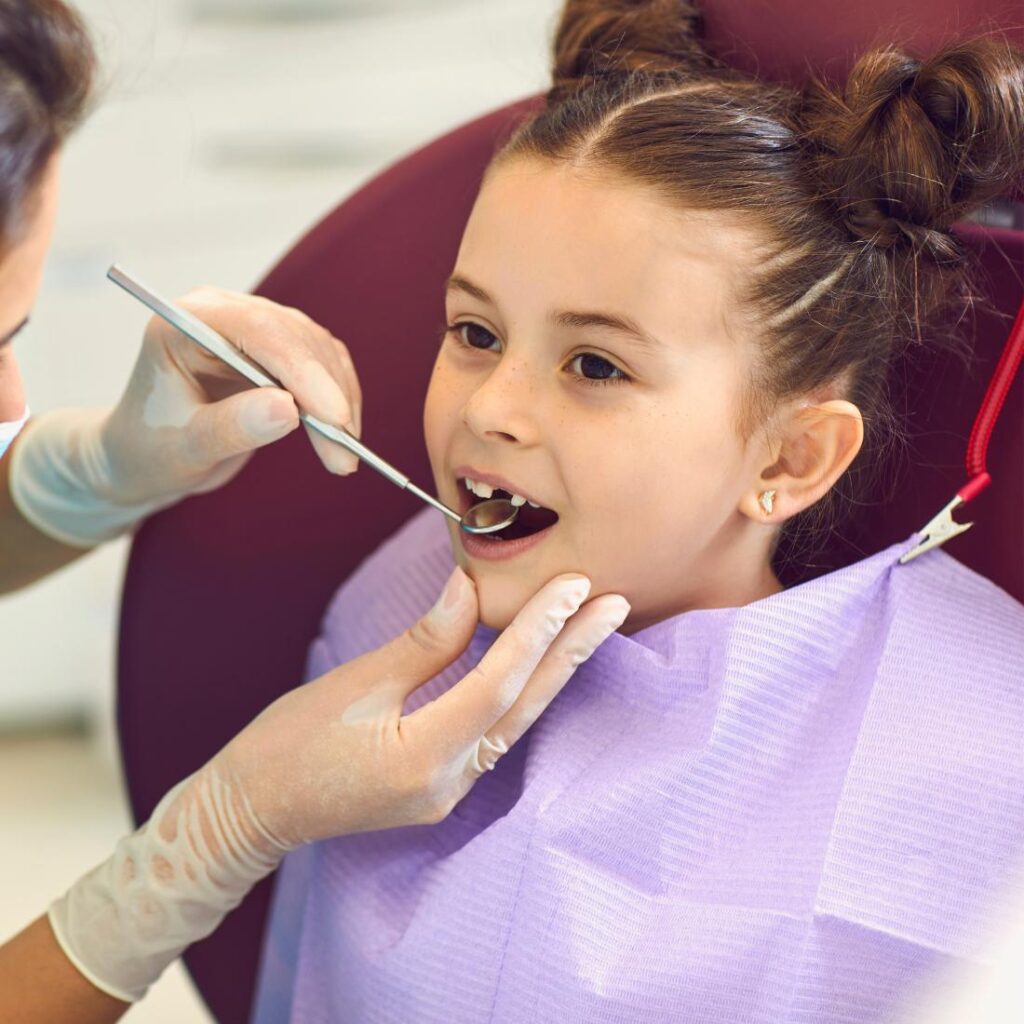
Some children experience intense anxiety that makes it difficult to cooperate during dental treatment. In appropriate cases, dentists may recommend mild sedation to help young patients stay calm and comfortable. This approach can create a more positive dental experience and encourage healthy oral care habits as they grow.
Patients with Special Needs
Individuals with physical, developmental, or cognitive conditions may find traditional dental treatment challenging. Sedation dentistry can make procedures safer and more manageable by reducing anxiety, limiting unnecessary movement, and improving overall comfort during treatment.
Individuals with Low Pain Tolerance
Patients with a low pain threshold may feel uncomfortable even during routine dental procedures. Sedation helps reduce discomfort and promotes relaxation, making treatment easier to tolerate while minimizing stress throughout the appointment.
Patients Requiring Multiple Treatments in One Visit
When several dental procedures need to be completed during a single appointment, sedation can make the experience much more comfortable. Patients remain relaxed while the dentist completes multiple treatments efficiently, reducing the need for several separate visits.
Benefits of Choosing Sedation Over Traditional Dental Treatment
Choosing sedation dentistry offers more than just anxiety relief. It can improve the overall dental experience by making treatments more comfortable, efficient, and less overwhelming. For many patients, sedation transforms dental care from something they fear into something they can confidently manage.
Reduced Anxiety and Stress
One of the greatest benefits of sedation dentistry is its ability to significantly reduce fear and anxiety. Patients feel calmer before and during treatment, making it much easier to undergo necessary dental procedures without emotional distress.
Increased Comfort During Treatment
Sedation helps patients remain physically relaxed throughout their appointment. Even lengthy or complex procedures feel more manageable because muscles stay relaxed, and discomfort is minimized.
Less Awareness of Dental Procedures
Many patients appreciate that sedation reduces their awareness of dental sounds, instruments, and sensations. Some people remember very little about the procedure afterward, making future dental visits much less intimidating.
Sedation Dentistry vs. Traditional Dental Treatment
Understanding the differences between sedation dentistry and traditional dental treatment can help you choose the option that best suits your comfort level and dental needs.
| Feature | Traditional Dental Treatment | Sedation Dentistry |
|---|---|---|
| Patient Anxiety | May remain high | Significantly reduced |
| Comfort Level | Standard | Enhanced comfort |
| Awareness During Procedure | Fully aware | Deeply relaxed with reduced awareness |
| Lengthy Procedures | Can feel exhausting | Feel shorter and more manageable |
| Multiple Treatments | Often require several visits | Frequently completed in fewer appointments |
| Best for Dental Phobia | Limited | Highly recommended |
Final Thoughts: Is Sedation Dentistry the Right Choice for You?
Choosing between traditional dental treatment and sedation dentistry depends on your comfort level, oral health needs, and the complexity of your procedure. If dental anxiety, a strong gag reflex, sensitive teeth, or lengthy treatments have prevented you from receiving the care you need, sedation dentistry may be the ideal solution. It offers a safe, effective, and comfortable way to complete dental procedures while helping you feel more relaxed and confident.
Don’t let fear or anxiety stand in the way of a healthy smile. Contact a qualified sedation dentist today to schedule a consultation and discover whether sedation dentistry is the right choice for your next dental appointment.