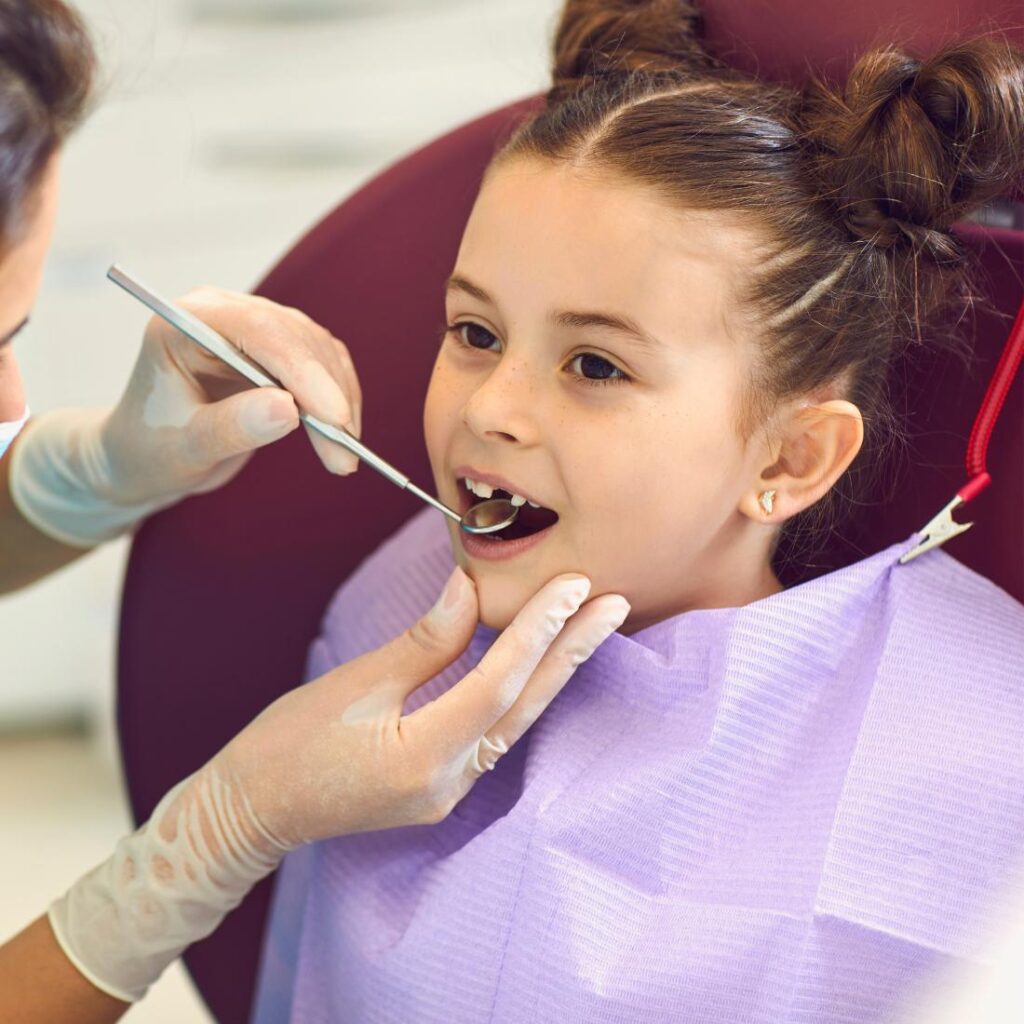
If the thought of a dental cleaning makes you anxious, you’re not alone. Millions of patients delay preventive care due to fear, discomfort, or past negative experiences. That’s where sedation dentistry for routine cleanings comes in. Designed to create an anxiety-free dental experience, sedation is no longer reserved for complex procedures—it’s increasingly used for everyday cleanings. In this guide, we’ll answer your most pressing questions and help you decide whether a painless teeth cleaning with sedation is right for you.
What Is Sedation Dentistry?
Sedation dentistry uses medication to help patients relax during dental procedures. Unlike general anesthesia, which puts you completely to sleep, most sedation methods keep you awake but deeply relaxed. This approach is widely used to support patients dealing with dental anxiety, sensitivity, or fear.
Types of Sedation Used in Dentistry
- Nitrous Oxide (Laughing Gas): A mild, fast-acting option inhaled through a mask
- Oral Sedation: Prescription medication taken before the appointment for deeper relaxation
- IV Sedation: Administered intravenously for a controlled, moderate sedation level
- Sedation Levels: Range from mild (fully awake) to moderate (semi-conscious but relaxed)
Can You Use Sedation for Routine Dental Cleanings?
Yes—sedation for routine dental cleaning is absolutely possible. While not everyone needs it, dentists often recommend sedation for patients who experience discomfort, anxiety, or difficulty sitting through a cleaning. Even though cleanings are preventive, using sedation can make the experience smoother, helping you stay consistent with your oral health routine. In short, preventive dental care with sedation is becoming a popular solution for stress-free visits.
Who Should Consider Sedation for Cleanings?
Sedation isn’t just for extreme cases—it can benefit a wide range of patients, including:
- Individuals with dental anxiety or phobia
- Patients with a low pain threshold
- Those with sensitive teeth or gums
- People with a strong gag reflex
- Patients with special healthcare needs
- Anyone with a history of traumatic dental experiences
If you fall into any of these categories, sedation can transform your dental visits into something manageable—even comfortable.
Benefits of Sedation During Routine Cleanings
Sedation dentistry offers more than just comfort—it improves your overall dental experience and long-term oral health.
Patients who opt for anxiety-free dental cleaning often report feeling calmer and more in control. Instead of dreading appointments, they’re more likely to maintain regular visits.
Key Benefits:
- Eliminates fear and anxiety
- Reduces pain and sensitivity
- Allows dentists to work more efficiently
- Makes longer or multiple procedures feel shorter
- Encourages consistent oral care habits
Ultimately, sedation removes the emotional barrier that keeps many people away from the dentist.
Risks and Safety of Sedation Dentistry
Is Sedation Dentistry Safe?
Sedation dentistry is considered very safe when administered by trained professionals. Dentists carefully evaluate your medical history and monitor your vital signs throughout the procedure. Modern techniques and strict safety protocols ensure minimal risk for most patients.
Potential Risks vs Benefits
| Benefits | Risks |
|---|---|
| Anxiety relief | Mild drowsiness |
| Pain-free experience | Temporary dizziness |
| Improved dental compliance | Rare allergic reactions |
| Faster procedures | Slight grogginess post-visit |
While risks exist, they are generally minor and temporary—especially when compared to the long-term benefits of consistent dental care.
What to Expect During a Sedation Cleaning Appointment
Understanding the process can help ease any remaining concerns. Here’s what typically happens:
- Pre-Appointment: You’ll receive instructions, such as avoiding food (depending on sedation type)
- Sedation Administration: Given via mask, pill, or IV before the cleaning begins
- During the Cleaning: You’ll feel calm and relaxed while the dentist performs the procedure
- After the Visit: Recovery varies—nitrous oxide wears off quickly, while oral or IV sedation may require rest
Most patients describe the experience as smooth, easy, and far less stressful than expected.
Cost of Sedation for Routine Cleanings
Sedation is usually an add-on service, and pricing depends on the type used and the clinic.
Average Cost Breakdown
| Type of Sedation | Estimated Cost |
|---|---|
| Nitrous Oxide | $50–$150 |
| Oral Sedation | $150–$300 |
| IV Sedation | $300–$800 |
While it’s an extra expense, many patients find the comfort and peace of mind well worth the investment.
Does Insurance Cover Sedation Dentistry?
Insurance coverage for sedation varies. In most cases, providers only cover sedation if it’s deemed medically necessary—such as for severe anxiety, special needs, or complex procedures. Routine cleanings with sedation may not always qualify.
To avoid surprises:
- Contact your insurance provider in advance
- Ask your dental office for a cost estimate
- Explore payment plans if needed
Being informed helps you make a confident decision.
Final Verdict: Is Sedation for Cleanings Worth It?
If fear, anxiety, or sensitivity has been holding you back from regular dental visits, sedation could be a game-changer. It offers a stress-free, pain-free cleaning experience, making it easier to stay on top of your oral health. While it may involve additional cost, the long-term benefits—healthier teeth, fewer complications, and peace of mind—often outweigh the expense.
Bottom line: If you’ve been avoiding the dentist, sedation dentistry might be exactly what you need. Talk to your dentist today and take the first step toward a more comfortable, confident smile.
FAQs
Can I request sedation for a regular cleaning?
Yes, most dentists offer sedation options upon request, depending on your needs.
Is sedation necessary for dental cleaning?
Not always—but it’s helpful for anxious or sensitive patients.
How long does sedation last after cleaning?
Nitrous oxide wears off quickly; oral and IV sedation may last a few hours.
Can I drive after sedation dentistry?
Only after nitrous oxide. For other types, you’ll need someone to drive you.
What is the safest sedation option?
Nitrous oxide is widely considered the safest and most commonly used option.