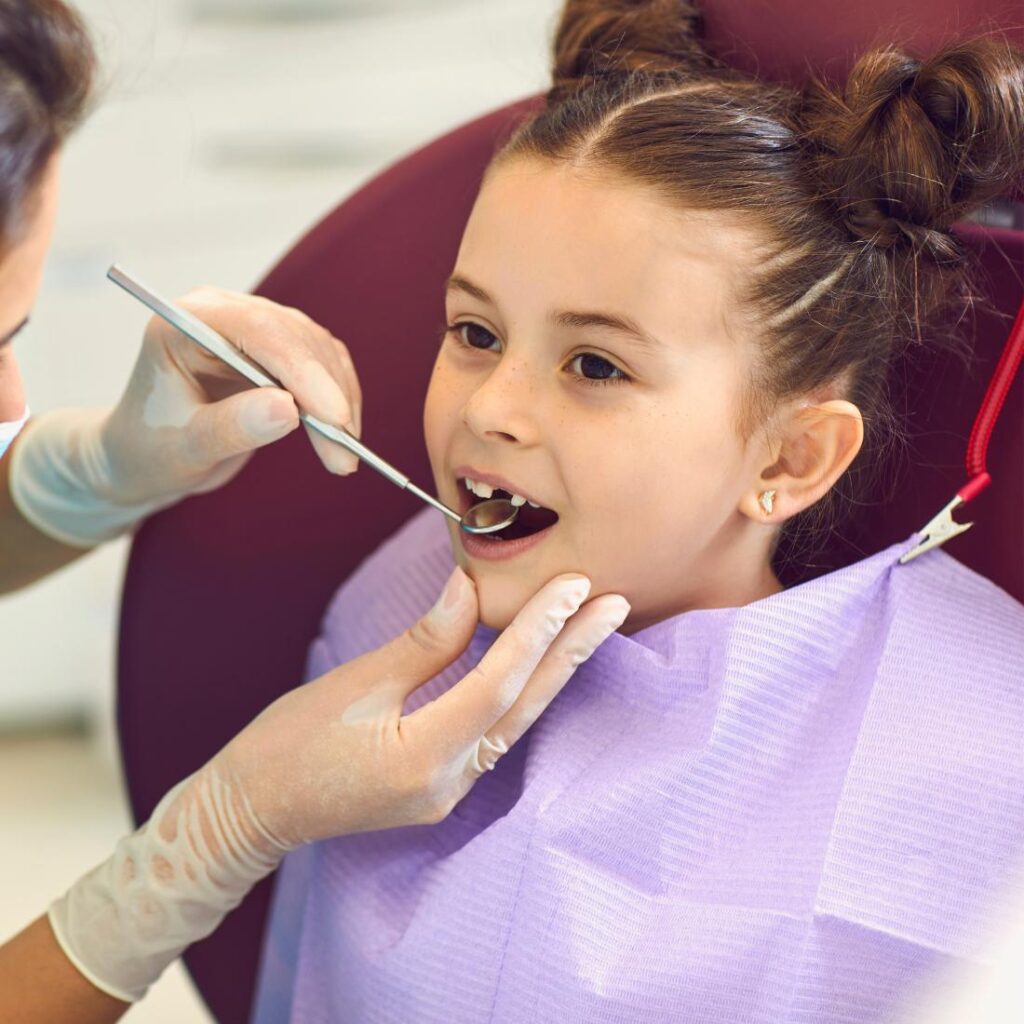
Full-mouth rehabilitation can transform a person’s oral health, function, and confidence, but the process may involve several procedures and lengthy appointments. For patients who feel nervous about dental treatment, undergoing multiple procedures can seem overwhelming. This is one reason sedation dentistry has become an important option for patients considering extensive dental care. Sedation for full-mouth rehabilitation can help eligible patients feel calmer and more comfortable while their dentist completes the planned treatment. It may be especially helpful for people with dental anxiety, dental phobia, a strong gag reflex, or difficulty tolerating lengthy procedures. However, sedation is not automatically necessary for everyone and should always be selected based on an individual’s needs and dental and medical evaluation.
What Is Full-Mouth Rehabilitation?
Full-mouth rehabilitation, also called full-mouth reconstruction or full-mouth restoration, is a comprehensive approach to rebuilding or improving the health and function of multiple teeth. Instead of focusing on a single dental problem, the dentist develops a coordinated treatment plan that addresses several concerns throughout the mouth.
Depending on the patient’s needs, full-mouth rehabilitation may involve:
- Dental crowns and bridges
- Dental implants
- Tooth-colored fillings
- Root canal treatment
- Tooth extractions
- Periodontal treatment
- Replacement of missing teeth
- Bite and jaw alignment considerations
- Other restorative procedures
Because treatment can involve several stages, patients may need longer appointments or multiple visits. For some people, the thought of sitting through extensive dental treatment can increase anxiety. Sedation may provide an option for making the experience more manageable.
Why Do Patients Choose Sedation for Extensive Dental Treatment?
Dental anxiety is one of the most common reasons patients consider sedation dentistry. Some people become nervous simply entering a dental office, while others experience significant fear when they see needles, dental instruments, or hear treatment sounds.
Patients may choose sedation for several reasons:
- Reduced dental anxiety: Sedation can help patients feel more relaxed during treatment.
- Greater comfort during long appointments: Extensive procedures may require patients to remain in the dental chair for considerable periods.
- Management of dental phobia: Sedation can be considered for patients whose fear has caused them to postpone necessary dental care.
- Help with a strong gag reflex: Certain patients find dental procedures difficult because of gagging.
- Easier treatment experience: Remaining relaxed can make lengthy procedures feel less stressful.
- Treatment for patients who have avoided dental care: Sedation may be one component of a broader strategy for helping anxious patients receive necessary care.
It is important to understand that sedation and pain control are not the same thing. Sedation primarily helps with relaxation and anxiety, while local anesthesia is generally used to numb areas being treated.
How Sedation Can Make Full-Mouth Rehabilitation More Comfortable
The emotional side of dental treatment can be just as important as the physical experience. When patients are highly anxious, even routine dental procedures can feel difficult. Extensive rehabilitation can amplify those concerns because patients may anticipate multiple injections, instruments, sounds, and sensations.
Depending on the sedation method, patients may remain conscious but feel deeply relaxed or drowsy. This can make it easier to tolerate treatment and remain comfortable while the dental team works according to the treatment plan.
Sedation may also help dentists manage certain situations more effectively. For example, a patient with severe anxiety or an exaggerated gag reflex may find it easier to cooperate when appropriately sedated. The exact approach depends on the patient’s condition, treatment requirements, and the dental professional’s assessment.
Types of Sedation Used in Dental Treatment
Not every patient needs the same level of sedation. Dentists may consider different approaches depending on anxiety, procedure complexity, medical history, and other factors.
| Sedation Type | General Experience | Common Consideration |
|---|---|---|
| Nitrous Oxide | Relaxed while generally remaining awake | Often considered for mild anxiety |
| Oral Sedation | Relaxation and possible drowsiness | May be considered for appropriate patients with anxiety |
| IV Sedation | Deeper, adjustable level of sedation | May be considered for lengthy or complex treatment |
| General Anesthesia | Unconscious state | Reserved for selected circumstances requiring anesthesia |
Patients should not select a sedation method based solely on preference. A qualified dental professional should determine whether sedation is appropriate and which approach best matches the individual’s circumstances.
Who May Benefit From Sedation During Full-Mouth Reconstruction?
Sedation may be considered for patients who experience significant barriers to receiving dental treatment. These can include people with moderate to severe dental anxiety, previous negative dental experiences, or a strong fear of needles and dental instruments.
It may also be considered for patients who:
- Have postponed dental treatment because of fear
- Need several restorative procedures
- Have difficulty sitting comfortably through lengthy appointments
- Have a pronounced gag reflex
- Become extremely nervous during dental procedures
- Require complex restorative or surgical treatment
- Feel overwhelmed by the idea of full-mouth reconstruction
However, wanting sedation does not necessarily mean a patient is medically suitable for it. The dentist should review relevant health information, medications, allergies, previous reactions, and other factors before recommending sedation.
What Should Patients Expect Before, During, and After Sedation?
Before full-mouth rehabilitation, the dentist typically evaluates the patient’s oral health and develops a comprehensive treatment plan. A sedation consultation may also be performed to determine whether sedation is suitable. During treatment, the patient receives the selected sedation according to the planned approach. Local anesthesia may also be used to provide appropriate pain control during dental procedures. After treatment, recovery depends on the type of sedation used. Some patients may experience temporary drowsiness or impaired coordination. For certain sedation methods, patients may need a responsible adult to drive them home and remain with them as instructed.
Sedation vs. Full-Mouth Rehabilitation Without Sedation
Sedation is not automatically better than receiving treatment without sedation. It is simply another option for appropriate patients. Patients who are comfortable with dental procedures may not need sedation, particularly when treatment is shorter or less complex. Other patients may find sedation helpful because anxiety could otherwise make necessary treatment difficult. The most important factor is choosing an approach that balances patient comfort, safety, treatment needs, and individual preferences.
Final Thoughts: Is Sedation Right for Your Full-Mouth Rehabilitation?
Full-mouth rehabilitation can involve significant dental treatment, but anxiety does not have to prevent patients from addressing their oral health needs. For eligible patients, sedation dentistry may make extensive treatment feel more manageable by reducing anxiety and helping them remain relaxed during procedures. The best approach is always individualized. A dental professional can evaluate your oral health, treatment requirements, anxiety level, medical history, and sedation options before creating a suitable plan.