For millions of patients, dental anxiety is a genuine barrier to essential oral healthcare. Sedation dentistry has transformed this experience, enabling individuals to undergo everything from routine cleanings to multi-stage oral surgeries without distress or panic. However, when complex treatment plans require multiple appointments close together, a critical question arises: How often can you safely receive dental sedation?
There is no universal “lifetime cap” on how many times a person can undergo dental sedation. Instead, clinical safety depends entirely on the specific class of sedative used, how your liver and kidneys clear the medication, your personal medical history, and the time allowed between visits. Understanding how different sedation modalities function will help you make informed decisions alongside your dental provider.
Understanding Dental Sedation: The 4 Primary Levels
Dental sedation is not a one-size-fits-all treatment. Practices typically utilize four distinct levels of sedation depending on patient anxiety, medical suitability, and procedure length:
-
Inhalation Sedation (Nitrous Oxide): Commonly referred to as “laughing gas,” this mild sedative is combined with pure oxygen and inhaled through a nasal mask. It delivers immediate calming effects while keeping you fully conscious and responsive.
-
Oral Conscious Sedation: Administered via prescription tablets—typically benzodiazepines such as triazolam, diazepam, or lorazepam—taken roughly an hour before treatment. Patients remain awake but deeply relaxed, often experiencing partial anterograde amnesia.
-
Intravenous (IV) Sedation: Delivered directly into the bloodstream through a vein, this “twilight sleep” allows the dentist or dental anesthesiologist to precisely titrate medication levels in real time. It induces profound relaxation and significant memory blocking.
-
General Anesthesia: Complete medically induced unconsciousness managed by an anesthesiologist. This is reserved for extensive reconstructive surgery, extreme dental phobia, or severe maxillofacial trauma, usually in an accredited surgical center or hospital.
Safe Frequency Guidelines by Sedation Type
Because the body processes each drug differently, the required waiting interval between appointments varies dramatically across sedation types:
| Sedation Modality | Primary Agents Used | Safe Spacing Interval | Systemic Elimination Time | Typical Use Cases |
| Nitrous Oxide | Nitrous Oxide / $O_2$ | Same day or consecutive days | 5–15 minutes | Cleanings, single fillings, mild anxiety |
| Oral Sedation | Triazolam, Diazepam | 48 to 72 hours minimum | 24 hours | Deep cleanings, crowns, moderate anxiety |
| IV Sedation | Midazolam, Propofol | 1 to 2 weeks (non-emergent) | 24 to 48 hours | Wisdom teeth, implants, bone grafting |
| General Anesthesia | Sevoflurane, Propofol blend | Several weeks to months | 48+ hours | Complex jaw surgery, hospital trauma |
Key Physiological Factors That Dictate Personal Limits
While the table above reflects standard clinical benchmarks, your personal clearance rate dictates actual safety. Dentists evaluate several critical biological metrics before authorizing repeated sessions:
-
Hepatic and Renal Clearance: Oral and intravenous sedatives undergo metabolic breakdown in the liver and excretion through the kidneys. Patients with sluggish organ function retain residual metabolites longer, demanding wider spacing between visits.
-
Tolerance and Receptor Saturation: Repeated exposure to GABA-targeting sedatives over brief periods can blunt their efficacy, leading to tolerance where standard dosages fail to provide adequate relaxation.
-
Cumulative Cognitive Hangover: While the acute sedative effect subsides within several hours, fine motor coordination and executive cognitive function can remain slightly dampened for up to 48 hours, especially in older adults.
-
Drug Interactions: Daily prescription medications, including beta-blockers, antidepressants, and over-the-counter sleep aids, can prolong sedation clearance by competing for the same enzymatic pathways.
Can You Receive Dental Sedation Two Days in a Row?
Whether consecutive appointments are safe depends entirely on the sedative class administered.
Nitrous Oxide: The Exception to the Rule
Nitrous oxide is the only sedation method completely safe for back-to-back appointments. Because it is not metabolized by the liver or kidneys—exiting the body entirely through normal respiration within minutes after pure oxygen is introduced—there is zero cumulative toxicity. A patient can comfortably receive nitrous oxide on a Monday for scaling and root planing, and again on a Tuesday for a restorative crown.
Oral and IV Sedation: Why Consecutive Days Are Avoided
For oral conscious and IV sedation, consecutive-day administration is strictly contraindicated for elective dentistry. Benzodiazepines and IV sedatives possess active metabolites that linger in adipose tissue and the circulatory system for up to 24 to 48 hours. Administering a second dose the following day creates a serious risk of drug stacking, leading to respiratory depression, dangerously low blood pressure, and unpredictable cognitive impairment.
Potential Complications of Overly Frequent Sedation
Subjecting the body to frequent chemical sedation without adequate clearance intervals introduces measurable physiological strain:
-
Short-Term Complications: Prolonged grogginess, nausea, postural hypotension (dizziness upon standing), transient confusion, and impaired psychomotor coordination.
-
Respiratory Strain: Successive rounds of central nervous system depressants can compromise protective airway reflexes, particularly in patients with undiagnosed obstructive sleep apnea.
-
Vascular Irritation: Frequent IV sedation sessions require repeated venous cannulation, which can cause localized phlebitis, bruising, or vein irritation.
-
Psychological Reliance: Overusing heavy sedation for minor dental care can prevent patients from developing non-pharmacological coping strategies, reinforcing long-term dental phobia.
Pediatric Considerations: Safety for Children
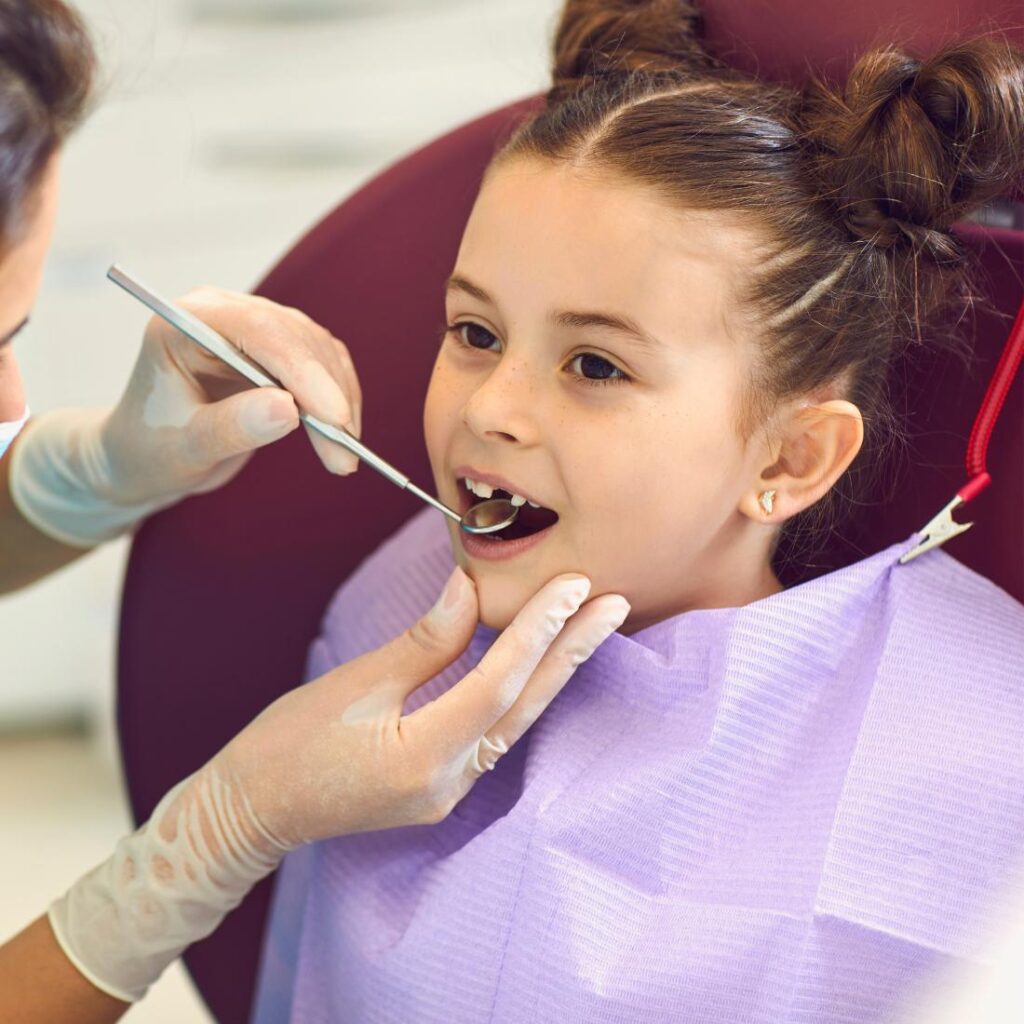
Children have narrower metabolic margins, higher basal metabolic rates, and smaller airways than adults, making sedation frequency a tightly regulated aspect of pediatric dentistry.
Pediatric dental guidelines strongly advise clustering all necessary dental treatments into a single, comprehensive sedation appointment whenever feasible, rather than scheduling multiple sessions over several weeks. When repeat visits cannot be avoided, clinicians enforce strict weight-adjusted dosing and maintain longer clearance windows between appointments to ensure total physiological reset.
Mandatory Disclosures Before Your Sedation Appointment
To ensure that your sedation schedule remains entirely safe, always provide your dentist with an exhaustive and up-to-date health briefing prior to every sedated visit:
-
An exhaustive list of current medications, vitamins, and herbal supplements (e.g., St. John’s Wort can alter sedative metabolism).
-
Any recent alcohol or recreational substance consumption within the preceding 72 hours.
-
Any surgical procedures or general anesthesia received within the last 30 to 60 days.
-
Any respiratory issues, active chest colds, or sinus congestion, which impair nitrous oxide delivery and airway management.
Post-Sedation Recovery Rules Between Visits
Ensuring safety across multiple appointments requires strict adherence to post-operative recovery protocols:
-
0 to 6 Hours Post-Procedure: Remain under the direct supervision of a responsible adult companion. Refrain from walking unassisted if lightheaded, and stick to clear fluids and light snacks.
-
6 to 24 Hours Post-Procedure: Do not operate motor vehicles, sign legal contracts, or engage in strenuous exercise. Avoid all central nervous system depressants, including alcohol.
-
24 to 48 Hours Post-Procedure: Monitor your cognitive alertness. Do not schedule a subsequent oral or IV sedation visit until you feel fully restored to your baseline physical and mental vitality.
Non-Sedative Alternatives for Frequent Dental Appointments
If you require extensive, multi-visit dental work but wish to minimize chemical sedation, consider integrating alternative comfort strategies:
-
Computerized Local Anesthesia Delivery: Modern injection systems deliver anesthetic at a slow, controlled flow rate buffered to match the body’s natural pH, virtually eliminating injection pain without grogginess.
-
Cognitive Behavioral Techniques: Targeted desensitization therapies help rewire the brain’s conditioned fear response to dental sounds and smells over time.
-
Sensory Adaptation: Noise-canceling headphones, weighted blankets, and guided breathwork can successfully bridge the gap for low-to-moderate anxiety, reserving systemic sedation solely for complex oral surgeries.
Have Questions About Sedation Safety for Your Upcoming Treatment?
Other Related post: