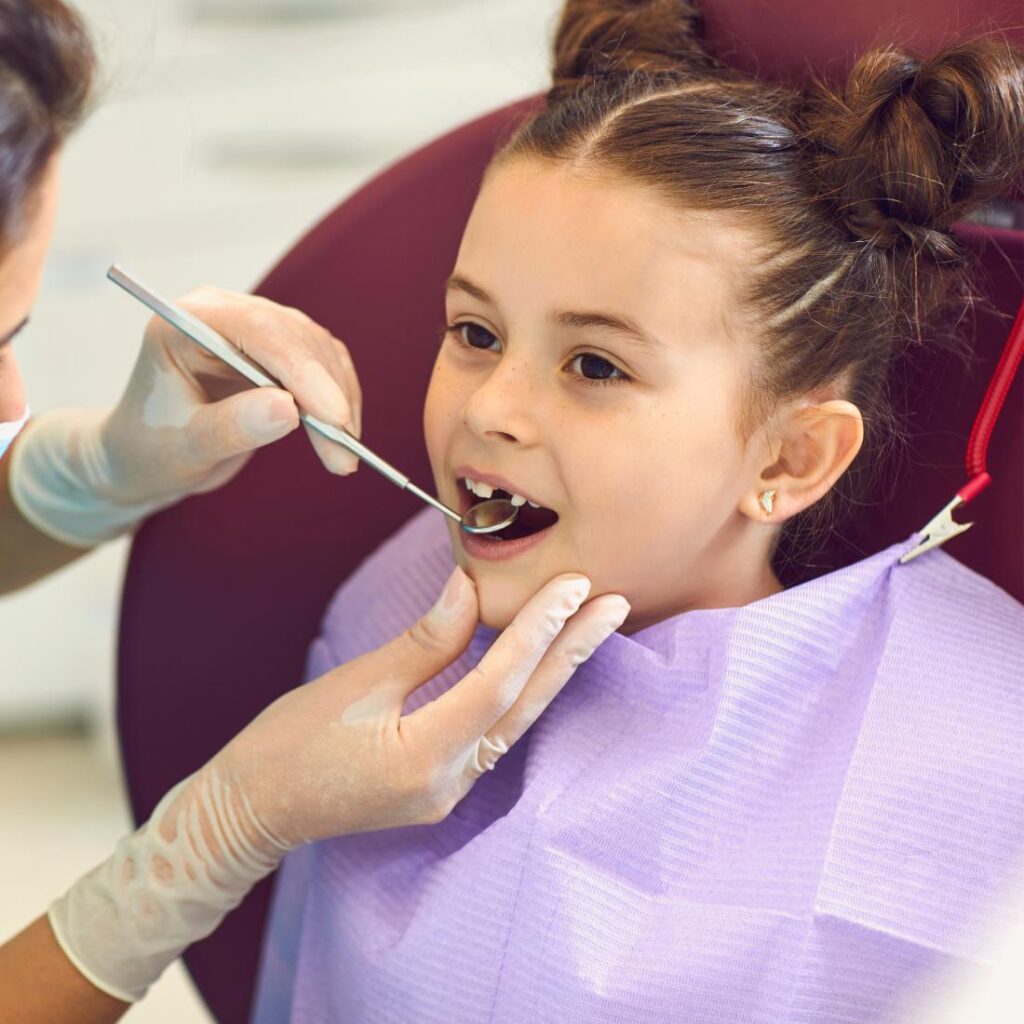
For decades, the mention of a dental appointment conjured vivid memories of sensory discomfort: the piercing whine of an air-driven drill, cold clinical lighting, the sharp prick of a needle, and the choking sensation of gooey impression trays. For millions of people across the globe, these memories calcified into dental anxiety, causing them to postpone or entirely avoid necessary oral healthcare.
However, the field of oral healthcare has undergone a quiet revolution. Modern dentistry has fundamentally shifted its philosophy from reactive treatment to proactive, patient-centric comfort. Today’s clinics combine cutting-edge bio-engineering, digital diagnostics, and empathetic clinical practices to ensure that routine visits and complex procedures alike are gentle, quiet, and virtually pain-free.
Why Dental Anxiety Is Finally Becoming a Thing of the Past
Dental phobia is rarely about teeth; it is almost always about a perceived loss of control and the anticipation of acute pain. Contemporary dental practices actively deconstruct these psychological barriers through structured, anxiety-reducing protocols:
-
Trauma-Informed Communication: Modern dental clinicians are trained to validate dental fears rather than dismiss them, taking time to walk through every step of a diagnosis before touching a clinical tool.
-
Non-Verbal Stop Signals: Patients establish clear physical cues, such as raising a hand, which instantly pauses treatment so they never feel trapped or helpless in the chair.
-
Transparent Visualization: Chairside intraoral displays let patients see high-resolution digital views of their mouth, replacing fear of the unknown with visual clarity and informed consent.
Gentle Numbing: How Modern Anesthesia Eliminates the Needle Sting
For individuals with needle phobias, the numbing process was historically the most dreaded phase of any dental procedure. Today, advanced chemistry and micro-fluidic delivery systems ensure that local anesthesia is administered without the sharp sting or intense tissue pressure of the past.
Computer-Assisted Anesthesia Delivery
Traditional injections often hurt because the liquid was forced into sensitive tissue too quickly. Devices such as The Wand utilize computer-assisted flow meters to administer anesthetic droplets ahead of an ultra-fine needle at an exact, slow pressure rate below the human pain threshold. The tissue is numbed before the needle tip is even sensed.
Buffered Topicals and Advanced Gels
Before any delivery occurs, dentists apply specialized, rapid-acting topical gels formulated to numb the outer mucosal layer thoroughly. Furthermore, clinics increasingly buffer local anesthetics by neutralizing their natural acidity with sodium bicarbonate, matching your body’s physiological pH so the anesthesia works instantly without the characteristic burning sensation.
Laser Dentistry: Minimally Invasive Care Without Drills or Scalpels
The advent of medical-grade dental lasers has eliminated the need for rotary cutting tools in a wide variety of soft and hard tissue procedures:
-
No Heat, Noise, or Bone Vibration: Water-cooled hard-tissue lasers vaporize dental decay using concentrated light and water droplets, removing the vibrational bone friction that triggers sensory distress.
-
Conservative Tissue Preservation: Lasers target decayed enamel and dentin with pinpoint accuracy, preserving maximum natural tooth structure compared to traditional burs.
-
Sterilization and Instant Coagulation: Soft-tissue diode lasers seal blood vessels and nerve endings instantly as they treat gum tissue, eliminating the need for scalpels or stitches while cutting post-operative swelling to a minimum.
The End of Goopy Impression Trays: Digital Scanners and Same-Day 3D Tech
Anyone who has endured a traditional dental impression remembers the unpleasant experience of bite trays loaded with cold, chalky alginate putty triggering the gag reflex. This cumbersome process has been largely replaced by handheld digital intraoral scanners.
Using optical cameras smaller than an electric toothbrush head, practitioners sweep a lightweight wand over the dental arch to assemble an ultra-precise, color-accurate 3D rendering of the mouth in less than two minutes. Beyond comfort, these digital blueprints integrate seamlessly with chairside CAD/CAM milling machines. Rather than wearing fragile temporary caps for weeks while waiting on an external lab, patients can now have permanent porcelain crowns, inlays, or veneers designed, milled, polished, and permanently bonded in a single visit.
Comprehensive Comparison: Old-School Dentistry vs. Modern Dentistry
| Feature / Experience | Traditional Dentistry | Modern Dentistry | Direct Patient Benefit |
| Cavity Detection | Sharp metal picks & film X-rays | AI transillumination & 3D CBCT | Diagnoses decay before it breaks outer enamel |
| Impression Taking | Large, gag-inducing putty trays | Handheld digital optical wands | Rapid, mess-free scans completed in minutes |
| Tooth Preparation | High-vibration air drills | Water-cooled lasers & quiet electric motors | Eliminates high-pitched whine and jaw fatigue |
| Crown Turnaround | 2 to 3 weeks with temporary caps | Chairside 3D scanning and milling | Restorations completed in one single appointment |
| Surgical Healing | Scalpels, sutures, and bleeding | Precision soft-tissue diode lasers | Minimal bleeding, no stitches, and faster recovery |
Customized Sedation Options Tailored to Your Comfort Level
Modern practices recognize that psychological relaxation is just as vital as physical pain relief. Clinics offer tiered sedation options tailored to individual anxiety levels:
Mild Inhaled Sedation (Nitrous Oxide)
Commonly known as laughing gas, nitrous oxide is inhaled through a light nasal mask. It delivers a rapid sense of warmth, calm, and detachment within moments. Once treatment concludes, pure oxygen clears the system, enabling patients to drive themselves home immediately.
Oral Conscious Sedation
For moderate anxiety, dentists prescribe a calibrated sedative pill taken roughly an hour before the appointment. Patients remain fully awake, conscious, and able to respond to questions, but enter a deeply tranquil state where hours feel like minutes, and memory of the appointment is minimal.
Intravenous (IV) Sedation
Designed for complex surgical cases or acute dental phobia, IV sedation delivers medication directly into the bloodstream under the continuous supervision of trained clinicians. Vital signs are continuously monitored while the patient rests in a twilight sleep, feeling no stress or awareness of the ongoing work.
Ergonomics and Sensory Distractions: The Modern Dental Environment
The physical ambiance of dental offices has transformed from cold, sterile spaces into environments mirroring wellness retreats:
-
Audio-Visual Immersion: Ceiling-mounted televisions with streaming services, virtual reality goggles, and noise-canceling headphones drown out clinic sounds.
-
Ergonomic Furnishings: Memory-foam contour chairs, weighted blankets, and heated neck supports relieve postural tension.
-
Aromatherapy Systems: Calming scents such as lavender and citrus neutralize traditional medicinal odors.
Smart Diagnostics: Why Prevention Requires Less Invasive Treatment
Advancements in digital imaging have changed how early disease is identified. High-resolution Cone Beam Computed Tomography (CBCT) and artificial-intelligence-assisted radiography pinpoint micro-cavities, structural hairline cracks, and underlying bone issues long before they manifest as painful emergencies.
Because issues are identified at the microscopic stage, treatments require far less invasive intervention. Dentists can apply targeted fluoride remineralization treatments, clear dental sealants, or micro-abrasions to halt decay naturally, preserving original tooth structure and saving patients from extensive future procedures.