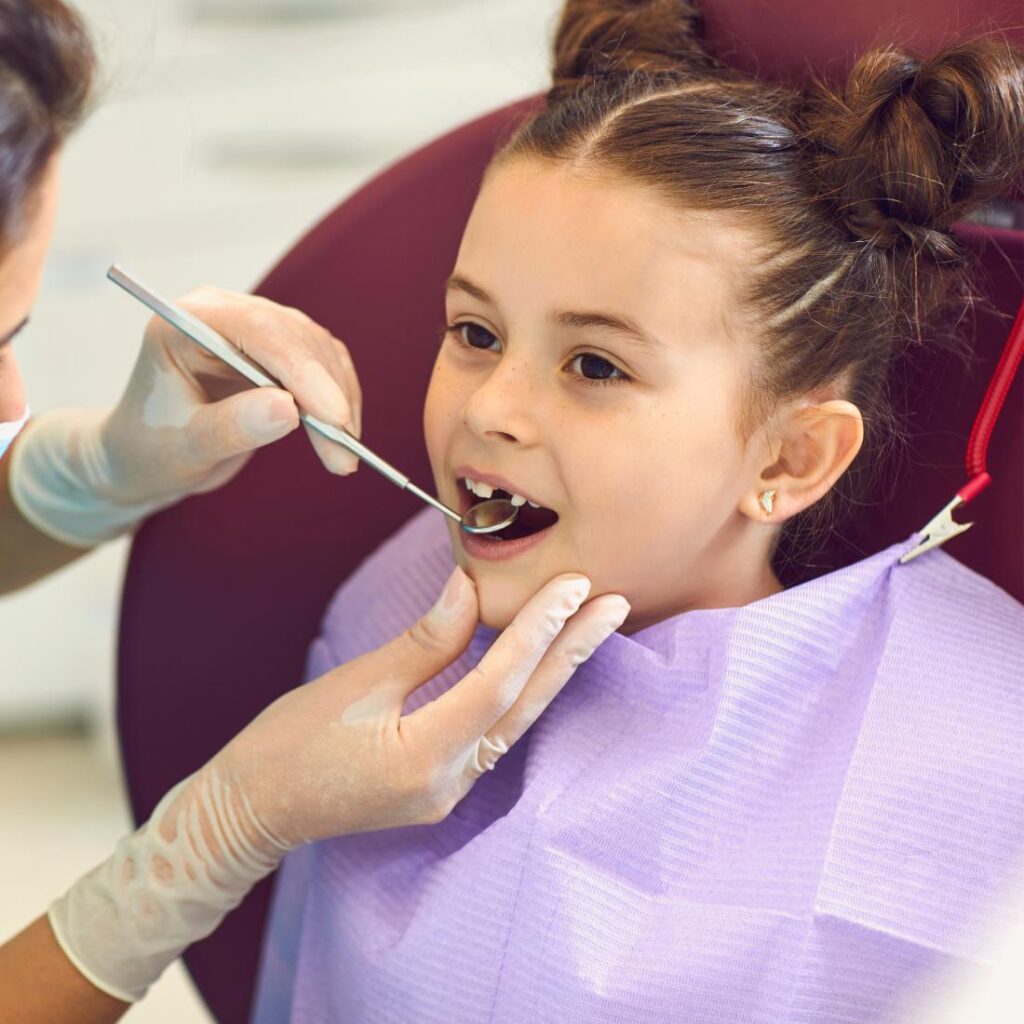
Going to the dentist can scare young children. Furthermore, watching your child feel afraid stresses you out as a parent. Fortunately, modern pediatric dental sedation solves this problem completely. Dentists use safe, gentle sleep dentistry for kids to eliminate fear and pain. Consequently, your child stays calm, and the dentist completes complex treatments quickly. This guide covers everything you need to know about safe sedation dentistry for toddlers and older children.
What Is Pediatric Dental Sedation and When Is It Necessary?
Pediatric dental sedation uses safe medications to help children relax during dental procedures. Specifically, dentists recommend it when standard calming techniques do not work. Moreover, positive early visits prevent lifelong dental avoidance.
Overcoming Severe Dental Anxiety and Phobia
Many children experience intense dental anxiety. Often, loud drills or bright lights trigger panic. Therefore, sedation calms their nervous system and builds positive memories.
Supporting Children with Special Healthcare or Sensory Needs
Children on the autism spectrum or those with sensory processing disorders often struggle in dental chairs. In addition, physical challenges can make sitting still impossible. Thus, special needs pediatric dental care relies on sedation to ensure safe, comfortable treatment.
Complex Procedures and Strong Gag Reflexes
Dentists also suggest sedation for specific clinical reasons:
-
Extensive tooth decay: Your child needs multiple fillings or crowns in one visit.
-
Young age: Toddlers cannot sit still safely for long periods.
-
Severe gag reflexes: Even routine exams trigger choking or discomfort.
-
Dental trauma: Emergency repairs require absolute stillness.
Types of Sedation Used in Pediatric Dentistry
Pediatric dentists tailor sedation levels to your child’s exact needs. First, they evaluate your child’s anxiety level. Next, they consider the complexity of the dental work.
Nitrous Oxide (Laughing Gas) for Mild Anxiety
Nitrous oxide is the mildest form of sedation. First, the dentist places a small, scented mask over your child’s nose. Within minutes, your child feels warm, happy, and relaxed. Afterward, the dentist gives pure oxygen, and the gas leaves the body completely.
Oral Conscious Sedation for Moderate Relaxation
For moderate anxiety, dentists use oral conscious sedation. Typically, your child drinks a sweet liquid medication about thirty minutes before treatment. As a result, your child becomes very drowsy. However, they stay awake enough to respond to gentle voices or touch.
IV Sedation and General Anesthesia for Extensive Care
Deep relaxation requires advanced medical methods:
-
IV Sedation: A specialist delivers medication directly into a vein. Consequently, your child sleeps deeply and remembers nothing afterward.
-
General Anesthesia: A pediatric anesthesiologist puts your child completely to sleep. Usually, dentists reserve this hospital-grade option for extensive oral surgery or complex medical cases.
Comparing Pediatric Sedation Options at a Glance
Choosing the right option feels easier when you compare them side by side. Therefore, review this quick breakdown before your consultation.
| Sedation Type | Child’s Awareness Level | Best Suited For | Recovery Time |
| Nitrous Oxide (Laughing Gas) | Awake, calm, and giggly | Mild nervousness, routine fillings, strong gag reflex | Immediate (5–10 minutes after mask removal) |
| Oral Conscious Sedation | Very drowsy; dozes off easily | Moderate anxiety, toddlers, longer single-visit treatments | 2 to 4 hours post-appointment |
| IV Sedation | Deeply asleep; no memory of the visit | Severe phobia, complex restorative work, sensory challenges | Remainder of the day; requires close supervision |
| General Anesthesia | Completely unconscious | Extensive oral surgery, very young children, complex medical needs | 24 hours; full recovery by the next morning |
Is Dental Sedation Safe for Toddlers and Children?
Yes, pediatric dental sedation is exceptionally safe when trained professionals administer it. Specifically, pediatric dentists follow strict guidelines from the American Academy of Pediatric Dentistry (AAPD).
Weight-Based Dosing and Pre-Screening Protocols
Safety starts long before your child sits in the dental chair. First, the dentist reviews your child’s complete medical history and current medications. Next, they weigh your child precisely. Consequently, the team calculates the exact, safest dose for your child’s body.
Continuous Real-Time Vital Sign Monitoring
During the procedure, the dental team tracks your child’s health constantly:
-
Pulse oximetry: Sensors measure blood oxygen levels every second.
-
Heart rate and blood pressure: Monitors track cardiovascular stability continuously.
-
Capnography: Specialized equipment measures exhaled carbon dioxide to verify clear breathing.
-
Dedicated staff: A trained team member watches your child’s airway exclusively.
How to Prepare Your Child Before a Sedation Appointment
Proper preparation ensures a smooth, safe appointment. Follow these essential steps carefully:
-
Follow fasting rules: Stop solid foods, milk, and juice according to your dentist’s exact timeline. An empty stomach prevents dangerous airway complications.
-
Choose comfortable clothing: Dress your child in loose, short-sleeved shirts. This allows easy access for blood pressure cuffs and sensors.
-
Bring a comfort item: Pack a favorite blanket or stuffed animal to soothe your child.
-
Report any illness: Call the office immediately if your child develops a cold, cough, or fever. Dentists reschedule sick children to protect their airways.
-
Use positive words: Tell your child the dentist will use “magic air” or “sleepy juice.” Avoid scary words like “needle,” “shot,” or “pain.”
Step-by-Step: What Happens During the Dental Visit?
Knowing what to expect calms both you and your child. Here is the typical timeline:
-
Complete the final check: Nurses check your child’s vitals and confirm they followed fasting rules.
-
Administer the sedative: The dentist gives the gas or liquid medicine in a quiet, welcoming room.
-
Perform the treatment: Once your child relaxes, the dentist completes all necessary dental work efficiently. Meanwhile, staff monitor breathing and oxygen levels continuously.
-
Move to recovery: The team moves your child to a cozy recovery area. There, your child wakes up gently while you sit beside them.
Post-Sedation Care and Recovery at Home
Recovery requires close attention for the rest of the day. Therefore, plan a quiet afternoon at home.
Managing Grogginess, Numbness, and Diet
Follow these care tips after you leave the clinic:
-
Start with clear liquids: Offer water or apple juice first to prevent stomach upset.
-
Serve soft foods: Transition to yogurt, applesauce, or mashed potatoes once your child feels hungry.
-
Skip drinking straws: Sucking motions can dislodge healing blood clots after extractions.
-
Watch for lip biting: Numbness lasts for hours, so prevent your child from chewing their lips or cheeks.
-
Position safely during naps: Lay your sleeping child on their side with their chin tilted up.
When to Call the Dentist or Seek Urgent Care
Contact your dentist immediately if you notice any warning signs:
-
Your child vomits repeatedly for more than forty minutes.
-
You hear loud snoring or see your child struggling to breathe.
-
You cannot wake your child easily after several hours.
-
Your child develops a high fever or severe rash.
Essential Questions to Ask Your Pediatric Dentist
Empower yourself before consenting to any procedure. Specifically, ask your dentist these four questions:
-
Which sedation level fits my child’s procedure best, and why?
-
Who monitors my child’s breathing and vital signs during the treatment?
-
Does your team hold Pediatric Advanced Life Support (PALS) certification?
-
Can I stay in the room until my child falls asleep?
Understanding Costs and Dental Insurance Coverage
Sedation costs vary widely based on several factors. First, mild options like laughing gas cost significantly less than IV sedation. Second, longer procedures require more medication and monitoring time. Furthermore, bringing in a board-certified dental anesthesiologist increases the total fee.
Fortunately, many dental insurance plans cover part of the sedation cost. In addition, medical insurance sometimes pays for general anesthesia if your child has severe medical or special needs. Therefore, ask the dental office to verify your benefits beforehand.
(FAQs) About Kids’ Dental Sedation
At what age can a child safely receive dental sedation?
Dentists safely administer mild nitrous oxide to children as young as two or three years old. However, deeper sedation options depend on your child’s weight, health, and clinical urgency rather than age alone.
Will my child feel any pain during conscious sedation?
No, your child will not feel pain. While conscious sedation relaxes your child’s mind, the dentist still applies local numbing gel and anesthetic to block pain signals completely.
How long does it take for pediatric dental sedation to completely wear off?
Nitrous oxide wears off within ten minutes. Conversely, oral sedation takes two to four hours to fade. Deep IV sedation or general anesthesia requires up to twenty-four hours for full recovery.
Can my child go back to school or daycare after dental sedation?
If your child receives only laughing gas, they can return to school immediately. However, children who receive oral sedation, IV sedation, or general anesthesia must stay home and rest under adult supervision all day.